Autism and fireworks can be a challenging mix for many families. While fireworks are thrilling for most, neurodivergent kids often experience anxiety and sensory overload. According to the CDC, 1 in 54 children in the U.S. is diagnosed with autism, making it essential to find practical steps to ensure celebrations are enjoyable for everyone. This groundbreaking guide offers strategies to help parents make fireworks a fun and safe experience for their kids.
Table of Contents
Step 1: Understand Your Child’s Sensory Sensitivities
Knowing what triggers your child’s discomfort is crucial. Sensory sensitivities can vary greatly among neurodivergent kids. Some may be bothered by loud noises, while others might find bright lights overwhelming. Understanding these triggers will help you prepare better.
You might notice your child covering their ears when a loud noise occurs or squints when exposed to bright lights. Keeping a journal of these reactions can provide valuable insights. Remember, each child is unique, and their sensory sensitivities will be too.
Step 2: Choose the Right Viewing Environment
Choosing a comfortable and familiar environment can significantly reduce your child’s anxiety. If public fireworks displays are too overwhelming, consider watching from a distance. This allows your child to experience the visual spectacle without the intense sounds.
Alternatively, you might set up a viewing area at home. Watching fireworks from a window or a backyard can provide a sense of safety and control. You can adjust the volume by closing windows or doors as needed.
Goally | The Tablet for Neurodiverse Kids
Step 3: Prepare with Noise-Canceling Headphones
Noise-canceling headphones or earplugs can be a game-changer for kids sensitive to loud noises. These can significantly reduce the intensity of the sounds, making the experience more tolerable. Ensure your child is comfortable wearing them before the event.
Introduce these headphones during quieter times to get your child used to them. You can make it a fun experience by decorating them together or choosing headphones with their favorite characters. This familiarity will make it easier for your child to use them during the fireworks.
Step 4: Create a Safe Space
A designated safe space can provide comfort if the sensory overload becomes too much. This could be a quiet homeroom or a backyard tent. Equip this space with comforting items like favorite toys, blankets, or calming lights.
During the fireworks, check in with your child regularly to ensure they are comfortable. Encourage them to use their safe space if they feel overwhelmed. This proactive approach can help mitigate any potential meltdowns.

Read more: An Autism Friendly 4th of July
Step 5: Gradual Exposure and Practice
Gradual exposure to fireworks can help desensitize your child over time. Start watching videos of fireworks at a low volume and gradually increase it as your child becomes more comfortable. This can help them adjust to the sounds and sights in a controlled manner.
You can also practice during smaller, less intense events like a local fair or a friend’s celebration. Each successful exposure will build your child’s confidence and reduce anxiety for future events.
Step 6: Use Visual Aids and Social Stories
Visual aids and social stories can help your child understand what to expect during a firework display. These tools can illustrate the sequence of events and provide coping strategies for dealing with anxiety or sensory overload.
Create a simple story that explains fireworks in a positive light, highlighting what your child can do if they feel uncomfortable. This preparation can reduce fear and create a sense of predictability.
Step 7: Communicate and Plan Ahead
Communication is key. Talk to your child about the event and what they can expect. Use clear and simple language to explain the sights and sounds of fireworks. Involve them in the planning process to give them a sense of control.
Discuss your plan with other family members or friends who will be present. Ensure everyone is aware of your child’s needs and the strategies you’ll be using. This collective effort will create a supportive environment for your child.
Step 8: Have a Comfort Kit Ready
A comfort kit can include items that soothe and distract your child. This might be noise-canceling headphones, favorite snacks, fidget toys, or a tablet with their favorite videos. Having these items on hand can provide quick relief during moments of stress.
Personalize the kit based on what works best for your child. Introduce it before the fireworks so they know they have resources to help them cope.
Step 9: Debrief and Reflect
After the event, debrief with your child. Discuss what they enjoyed and what was challenging. This reflection can help you plan for future events and reinforce positive experiences.
Encourage your child to express their feelings and validate their experiences. This open dialogue will help them feel understood and supported.
Goally | Apps To Support Child Development
Looking for fun ways to help your child learn life skills? Try Goally! The Goally tablet comes with award-winning learning apps and video classes to help kids develop the skills they need to become independent with FUN & evidence-based practices.
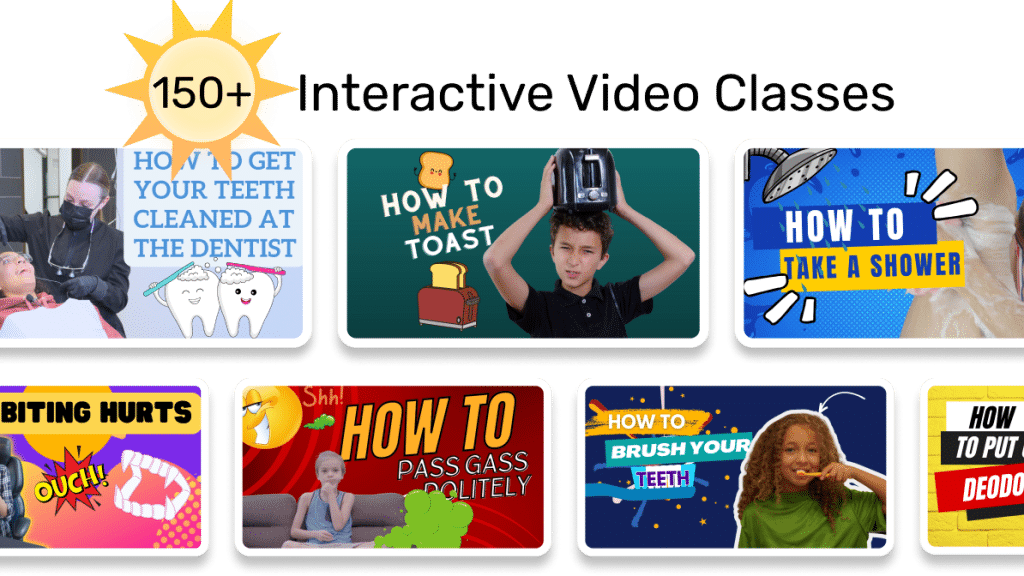
Our apps teach executive function, language, emotional regulation, finger dexterity skills, and more.
As your child develops new skills, you can increase the difficulty level of the tasks in the app to challenge and motivate them even further. This helps your child grow and progress at their own pace, while also keeping them engaged and excited about their development.
Fireworks can be a joyous part of celebrations. With these steps, you can help your neurodivergent child enjoy them, too. Remember, the goal is to create a positive and manageable experience for your child. With patience and preparation, you can make fireworks a source of excitement rather than anxiety.
Helpful Resources
FAQ’s About Autism and Fireworks
What are the best ways to help my autistic child enjoy fireworks?
Using noise-canceling headphones and creating a safe viewing space can make fireworks more enjoyable.

How can I prepare my neurodivergent child for fireworks?
Gradual exposure to fireworks through videos and social stories can help prepare your child.

What are some signs that fireworks are overwhelming my child?
Signs of overwhelm include covering ears, squinting at lights, and showing signs of anxiety or distress.

Can creating a comfort kit help my autistic child during fireworks?
Yes, a comfort kit with favorite items can provide quick relief and comfort during fireworks.

Is it better to watch fireworks from a distance with an autistic child?
Watching from a distance can reduce sensory overload and create a more controlled environment.

Emily is a seasoned blog writer for Goally, leveraging her extensive background in child psychology and special education to provide valuable insights and resources for parents. Her commitment to understanding and addressing the unique needs of these children, combined with her expertise in educational strategies, makes her a credible and empathetic voice for families.