Potty training is one of the significant milestones in a child’s development. As a professional working with kids, I often encounter parents eager to know the right time to start this process. The excitement and joy of seeing a child transition from diapers to the toilet are unparalleled. But when is the right time to start potty training? Let’s explore the signs of readiness, the best age to begin, and practical tips to make this journey smooth for you and your child.
Table of Contents
Understanding Potty Training Readiness
Before diving into the specifics, it’s crucial to understand that every child is unique. While some kids may show signs of readiness as early as 18 months, others may only be ready once they are 3 years old. The key is to look for certain indicators that your child is ready to start potty training.
Signs Your Child Is Ready for Potty Training
- Stays dry for at least two hours at a time or after naps
- Shows interest in using the toilet or wearing underwear
- Can follow simple instructions and communicate needs
- Shows discomfort with dirty diapers and wants to be changed
- Can sit on the toilet and get off by themselves
The Best Age to Start Potty Training
There isn’t a one-size-fits-all answer to this question. Most children between 18 months and 3 years old are ready for potty training. However, it’s essential to consider your child’s emotional and physical readiness rather than just their age. For neurodivergent kids, the timeline may vary even more, so patience and observation are key.
Potty Training for Neurodivergent Kids
For kids with special needs or learning differences, potty training might require additional strategies and more time. It’s essential to tailor the approach based on their unique needs and consult with professionals who can provide personalized guidance.
Grab your potty training sticker chart printable.
Practical Tips for Successful Potty Training
Once you’ve determined your child is ready, it’s time to start potty training. Here are some practical tips to help you along the way:
1. Create a Routine
Establishing a regular potty schedule helps your child understand when to use the toilet. Take them to the bathroom regularly, such as first thing in the morning, after meals, and before bedtime.
2. Use Positive Reinforcement
Celebrate small successes with praise, stickers, or a special treat. Positive reinforcement encourages your child to keep trying and makes the process more enjoyable.

Read more: At What Age Should a Child Be Potty Trained?
3. Be Patient and Consistent
Potty training can be challenging for you and your child. Stay patient and consistent, and avoid showing frustration. Setbacks are normal; with time, your child will get the hang of it.
4. Make It Fun
Incorporate fun elements like potty training books, songs, or special toilet seats. Enjoying the experience can reduce anxiety and help your child feel more comfortable.
Addressing Common Potty Training Challenges
Potty training comes with its own set of challenges. Here are some common issues and how to tackle them:
Resistance to Using the Toilet
If your child resists using the toilet, it might be due to fear or discomfort. Address their concerns calmly and consider taking a break if needed. Sometimes, waiting a few weeks before trying again can make a significant difference.

Accidents and Setbacks
Accidents are a normal part of potty training. Instead of showing frustration, reassure your child that it’s okay and encourage them to keep trying. Consistency and positive reinforcement will help reduce accidents over time.
When to Seek Professional Help
If potty training is becoming a significant struggle or your child is over 4 years old and not yet potty trained, it might be time to seek advice from a pediatrician or child development specialist. They can offer tailored strategies and support to address any underlying issues.
Goally | Apps To Support Child Development
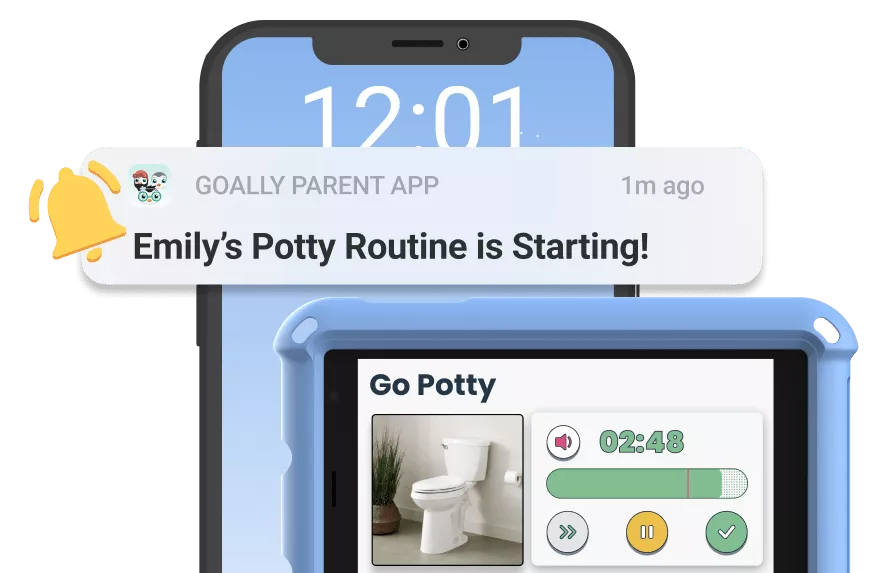
Looking for fun ways to help your child learn life skills? Try Goally! The Goally tablet comes with award-winning learning apps and video classes to help kids develop the skills they need to become independent with FUN & evidence-based practices.

Our apps teach executive function, language, emotional regulation, finger dexterity skills, and more.
As your child develops new skills, you can increase the difficulty level of the tasks in the app to challenge and motivate them even further. This helps your child grow and progress at their own pace, while also keeping them engaged and excited about their development.

In my experience, the key to successful potty training is understanding your child’s readiness, being patient, and using positive reinforcement. By following these tips and staying consistent, you can make potty training a positive and successful experience for you and your child.
Helpful Resources
FAQ’s About When to Start Potty Training
When should I start potty training my child?
Start potty training when your child shows signs of readiness, typically between 18 months and 3 years old.

What are the signs my child is ready for potty training?
Signs include staying dry for two hours, showing interest in the toilet, and following simple instructions.

How long does potty training usually take?
Potty training can take anywhere from a few weeks to several months, depending on the child.

What should I do if my child resists potty training?
If your child resists, take a break and try again in a few weeks, ensuring a positive and stress-free environment.

Are there special considerations for potty training neurodivergent kids?
Yes, neurodivergent kids might need a tailored approach and more time, and it's beneficial to consult with a specialist for personalized strategies.

Emily is a seasoned blog writer for Goally, leveraging her extensive background in child psychology and special education to provide valuable insights and resources for parents. Her commitment to understanding and addressing the unique needs of these children, combined with her expertise in educational strategies, makes her a credible and empathetic voice for families.