As someone who has worked extensively with kids, I know how important it is to find activities to help them manage their sensory needs. Sensory regulation can be incredibly challenging for neurodivergent kids. That’s why I’ve put together this list of 10 sensory solutions to help parents like you find suitable activities for your children. These activities are designed to be engaging, effective, and easily implemented at home. They help in sensory regulation and provide a fun and enjoyable experience for kids. Let’s dive into these solutions and see how they can positively impact your child’s daily routine.
Table of Contents
1. Sensory Bins
Sensory bins are a fantastic way to engage kids in tactile play. You can fill a bin with rice, beans, sand, or water beads and let your child explore different textures. This activity can help improve fine motor skills and provide a calming effect.
Using sensory bins allows kids to experience various textures, which can be particularly beneficial for those with tactile sensitivities. The repetitive motion of scooping, pouring, and sifting can also be soothing and help reduce anxiety.
2. Weighted Blankets
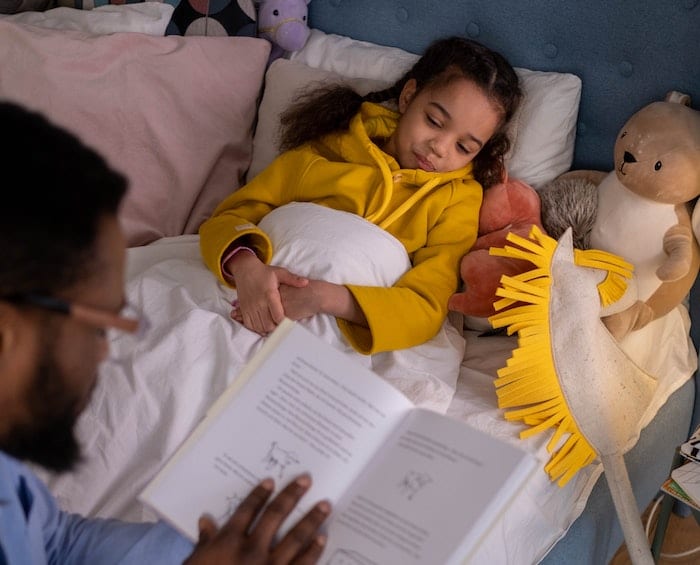
Weighted blankets are known for their calming effects. The gentle pressure they provide can help kids feel more secure and grounded. This can be especially helpful for bedtime routines, promoting better sleep.
Research has shown that deep-pressure stimulation, like that provided by weighted blankets, can help increase serotonin and melatonin levels while decreasing cortisol levels. This can lead to improved mood and relaxation.
Read more: Sensory Regulation Activities for Kids
3. Fidget Toys
Fidget toys are great for kids who must keep their hands busy. These toys can help improve focus and reduce anxiety by providing a sensory outlet. Options include stress balls, fidget spinners, and textured fidget cubes.
These toys are portable and can be used in various settings, such as at home, school, or during travel. They offer a discreet way for kids to manage sensory needs without drawing too much attention.
4. Noise-Canceling Headphones
For kids sensitive to loud noises, noise-canceling headphones can be a lifesaver. They can help block out overwhelming sounds, making it easier for kids to focus and feel more comfortable in noisy environments.
These headphones are handy in crowded places, busy classrooms, or during travel. They can help reduce sensory overload and prevent meltdowns.
Goally | The Tablet for Neurodiverse Kids

5. Deep Pressure Activities
Deep-pressure activities can be calming, such as bear hugs, weighted vests, or pressure massages. These activities help stimulate the proprioceptive system, improving body awareness and reducing anxiety.
Incorporating deep-pressure activities into your child’s daily routine can help them feel more secure and grounded. This can be particularly beneficial for transitions or times of high stress.
6. Visual Schedules
Visual schedules can help kids understand and manage their daily routines. These schedules represent different activities and tasks using pictures, providing a clear and predictable structure.
By using visual schedules, kids can better anticipate what comes next, which can reduce anxiety and improve cooperation. This tool is handy for kids with autism or ADHD who thrive on routine and predictability.
Build Custom Printable Visual Schedules
Is your child having trouble managing their routines? Here’s a free visual schedule builder. Goally’s custom tool allows you to create printable personalized schedules that motivate your child to focus on their tasks. Perfect for morning, homework, and bedtime routines, this free visual schedule builder is easy to use and will help your child reach their full potential.
Click below to make your CUSTOM printable visual schedule! 👇
7. Sensory Swings
Sensory swings provide vestibular input, which can help kids with balance and coordination. The gentle rocking motion can be soothing and help improve focus and attention.
Installing a sensory swing at home can offer kids a safe and enjoyable way to get the sensory input they need. It can also be a great tool for calming down after a busy day.
8. Aromatherapy
Aromatherapy can be a powerful tool for sensory regulation. Scents like lavender, chamomile, and eucalyptus can promote relaxation and reduce stress.
Using essential oils in a diffuser or incorporating them into a sensory play activity can create a calming environment for your child. Just be sure to choose child-safe essential oils and use them in moderation.
9. Tactile Paths
Tactile paths are a fun way for kids to explore different textures with their feet. You can create a path using foam, carpet squares, or bubble wrap.
This activity can help improve tactile processing and provide a sensory break during the day. It’s also a great way to incorporate movement and physical activity into sensory play.
10. Calming Music
Music can profoundly affect mood and sensory regulation. Calming music, such as classical or natural sounds, can help reduce anxiety and improve focus.
Creating a playlist of soothing music can be helpful when your child needs to relax and unwind. This can be especially useful during transitions or before bedtime.
Tired of Emotional Meltdowns?
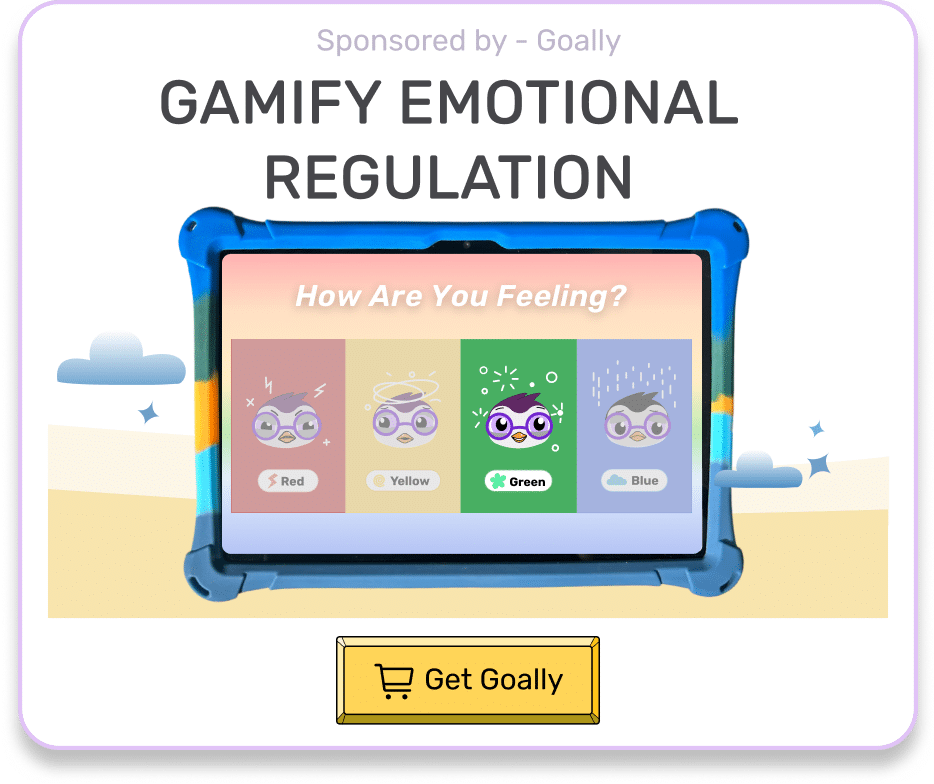
Goally’s Mood Tuner app has activities for kids with BIG emotions. Teach kids how to tune their mood with Goally. See fewer meltdowns.
The Mood Tuner app encourages kids to look inwards and identify their feelings, helping them understand what’s going on inside. Once they’ve recognized their emotions, they can choose from a 20+ activities designed to help them self-regulate and find their balance.
Understanding and implementing sensory solutions can make a significant difference in your child’s daily life, especially for neurodivergent kids. By incorporating simple strategies and tools, you can help your child manage sensory input, improve focus, and feel more comfortable in various environments. Sensory solutions are not only practical but also empowering, enabling your child to navigate the world with greater ease and confidence.
Helpful Resources
- Sensory Processing Disorder Foundation
- Autism Society
- CHADD (Children and Adults with Attention-Deficit/Hyperactivity Disorder)
FAQ’s About Sensory Solutions
What are sensory solutions?
Sensory solutions are strategies and activities designed to help kids manage sensory input, improving focus and comfort.

Why are sensory solutions important for neurodivergent kids?
Sensory solutions help neurodivergent kids regulate their sensory experiences, reducing anxiety and enhancing their ability to engage in daily activities.

What types of sensory solutions can I use at home?
At home, you can use sensory bins, weighted blankets, and fidget toys to provide calming or stimulating sensory input for your child.

How do sensory solutions improve focus?
Sensory solutions like sensory breaks or fidget tools help kids channel excess energy or calm their nerves, leading to better concentration.

Can sensory solutions be integrated into a daily routine?
Yes, sensory solutions can be easily integrated into daily routines through structured activities, sensory-friendly environments, and regular sensory breaks.

Emily is a seasoned blog writer for Goally, leveraging her extensive background in child psychology and special education to provide valuable insights and resources for parents. Her commitment to understanding and addressing the unique needs of these children, combined with her expertise in educational strategies, makes her a credible and empathetic voice for families.