Ever found yourself stuck in a whirlwind of emotions, unable to pinpoint precisely what your child is feeling? You’re not alone. As a professional working closely with kids, I’ve seen firsthand how understanding emotions — especially negative ones — can be tricky. But here’s the good news: I’ve compiled a comprehensive negative emotions list to help you navigate these choppy waters. This blog post will explore each emotion in detail, shedding light on how they manifest in children and offering practical strategies to help them cope. From the all-too-familiar sadness and fear to the less-understood feelings of contempt and guilt, we’ll unravel the mystery together. This is not just another list; it’s a roadmap to better understand your child’s emotional world.
Table of Contents
Understanding the Spectrum of Negative Emotions
When understanding your child’s emotions, it’s essential to recognize that emotions aren’t merely black and white. There’s a whole spectrum of negative emotions that your child might experience. Some of these include agitation, agony, aggression, alarm, alienation, anguish, annoyance, anxiety, and apathy. As a professional working with kids, I can tell you these emotions are as real and valid as any other. Recognizing them can be the first step towards helping your child navigate their emotional landscape.
But, let’s not stop there. In addition to the negative emotions list we’ve just explored, there are other emotions that your child might experience. For instance, they might feel joy when they accomplish a task or surprise when they learn something new. These emotions, too, are a part of their emotional repertoire. Understanding this can help you provide the support they need, especially if your child is neurodivergent.

Read more: Kids With Anger Issues | Parents Guide
The Eight Primary Emotions
According to psychologist Robert Plutchik, humans can experience over 34,000 unique emotions. However, we typically experience eight primary emotions: anger, fear, sadness, joy, disgust, surprise, trust, and anticipation. As parents, it’s crucial to understand these emotions and how they manifest in our kids. This understanding can help us guide them through their emotional journeys and provide the support they need.
For example, let’s take the emotion of fear. Fear can manifest in different ways in different kids. For some, it might be a fear of the dark, while for others, it might be a fear of social situations. Recognizing this emotion and understanding its root cause can help you provide your child the right kind of support.
Carroll Izard’s 12 Discrete Emotions
Carroll Izard, a renowned psychologist at the University of Delaware, identified 12 discrete emotions. These include interest, joy, surprise, sadness, anger, disgust, contempt, self-hostility, fear, shame, shyness, and guilt. Izard’s research can benefit parents trying to understand their child’s emotional world.
Let’s take the emotion of self-hostility, for instance. This emotion can manifest as self-blame or self-criticism in your child. Recognizing this emotion can help you intervene and provide the necessary support to your child. You can help them understand that it’s okay to make mistakes and that they don’t need to be hard on themselves.
Goally | The Tablet for Neurodiverse Kids

Understanding Toxic Emotions
Some emotions, such as anger, guilt, shame, anxiety, fear, self-loathing, regret, bitterness, and resentment, are often labeled as “toxic” because they bring no positive benefit to our lives or our mental well-being. However, it’s also essential to remember that these emotions are a part of our emotional spectrum. As parents, we must help our kids navigate these emotions and learn to cope healthily.
For instance, if your child is experiencing guilt, it’s important to help them understand why they feel this way. You can help them realize that everyone makes mistakes and that it’s okay to feel guilty. However, it’s also important to help them learn from their mistakes and move forward.
Goally | Kid’s Tablet for Building Emotional Regulation Skills
Is your child struggling with understanding and managing their emotions? Goally teaches emotional regulation skills in a fun and interactive way!
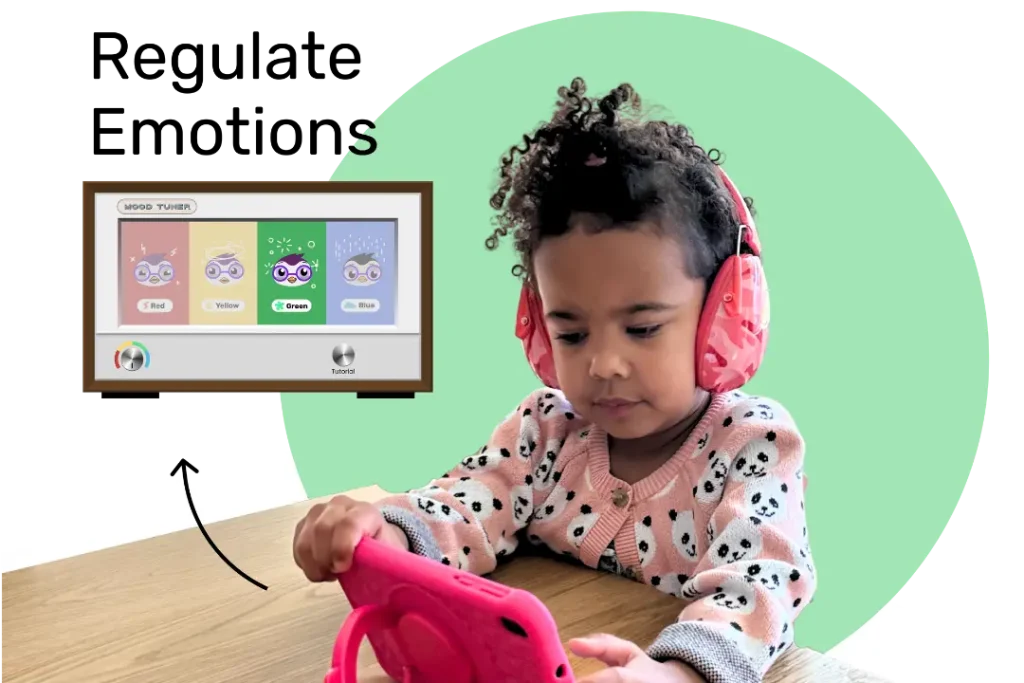
The Mood Tuner app encourages kids to look inwards and identify their feelings, helping them understand what’s going on inside. Once they’ve recognized their emotions, they can choose from a variety of exercises designed to help them self-regulate and find their balance.
In the end, understanding your child’s emotions, especially the negative ones, is like learning a new language. It requires patience, empathy, and a lot of practice. Armed with this “negative emotions list,” you’re better equipped to decode your child’s emotional language. Remember, each emotion, whether anger, fear, or self-hostility, is a piece of the puzzle that makes up your child’s emotional world. By recognizing and validating these emotions, you’re helping your child navigate their feelings and fostering a deeper connection with them. And isn’t that what parenting is all about?
FAQ’s About Negative Emotions
What is a negative emotions list?
A negative emotions list is a comprehensive catalog of emotions considered negative, such as sadness, fear, disgust, anger, contempt, shame, and guilt.

Why is understanding negative emotions important for parents?
Understanding negative emotions helps parents decode their child's feelings, foster deeper connections, and provide the right support.

Who are some psychologists that have studied emotions?
Robert Plutchik and Carroll Izard are two renowned psychologists who have extensively studied human emotions.

What are some examples of "toxic" emotions?
Anger, guilt, shame, anxiety, fear, self-loathing, regret, bitterness, and resentment are often labeled as "toxic" emotions.

How can parents help kids navigate negative emotions?
Parents can help by recognizing and validating these emotions, providing support, and teaching kids healthy coping strategies.

Emily is a seasoned blog writer for Goally, leveraging her extensive background in child psychology and special education to provide valuable insights and resources for parents. Her commitment to understanding and addressing the unique needs of these children, combined with her expertise in educational strategies, makes her a credible and empathetic voice for families.