

Speech blocks can interrupt communication, causing hesitations or difficulty speaking smoothly. Understanding and addressing them can significantly improve fluency and confidence.
Key Takeaways
- Speech blocks: Temporary disruptions in speech flow.
- Causes: Include anxiety, neurological issues, or developmental delays.
- Therapy: Speech therapy can provide effective strategies to overcome speech blocks.
What is a speech block? A speech block is a temporary inability to produce speech sounds or words, leading to a pause or hesitation in speech. It can be caused by factors like anxiety, neurological disorders, or developmental delays, and can often be improved with speech therapy.
Table of Contents
What Is a Speech Block?
A speech block is also known as stuttering or a stoppage of speech. It is when someone get suddenly “caught” on a particular part of a word that makes it difficult to continue speaking. Sometimes experts also call it a fluency disorder because the person have trouble speaking fluidly and smoothly.
Sometimes it’s hard to tell if a child is naturally stumbling or struggling with speech blocks. In order to help you differentiate between the two, we’ve got some concrete examples of what this can sound like.
Examples of Speech Blocks
In the video example above, you can hear tangible examples of kids experiencing a speech block.
For example:
Drew gets blocked on the initial “K” sound in the word “classes.”
Child: Like were my “(c)lasses” are.
Next, you can see Erica gets block on the “b” sound at the beginning of the word bumpy and block.
Therapist: So, tell what bumpy speeches means.
Child: (B)umpy speech is like when I have a (b)lock.
Here we see Justin block on the “p” sound in the word pushing.
Therapist: What were speech helpers doing there?
Child: They were (p)ushing too hard.
Can This Condition Be Fixed Without Therapy?
See more: What is Augmentative and Alternative Communication?
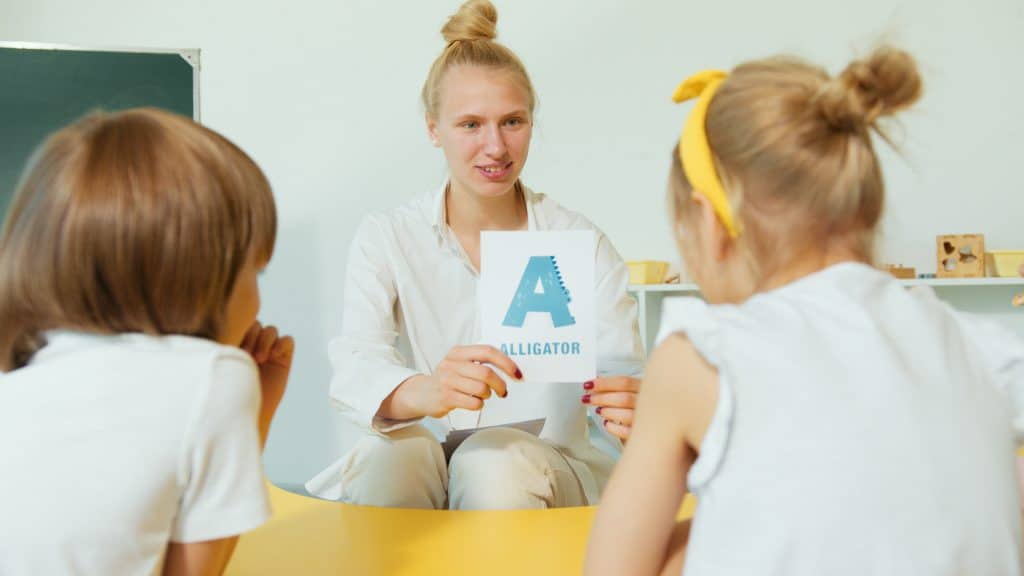
When we observe blocking, it is less likely that the child will improve without therapy. There are no rules about how often a child has to stutter before speech therapy may become the best solution. However, if the child is concerned or frequently produces the type of speech disfluencies for several weeks or months, enrolling in therapy could become extremely helpful.
Goally | Apps that Teach Kids AAC & Core Words
Is your child facing challenges in expressing themselves or communicating effectively? Goally has one of the best language language learning apps for kids to support their journey in building essential communication skills!
The Word Lab and AAC Talker apps provide a simple, engaging platform for your child to learn core words and become a functional communicator right from the start. Customize the experience with a voice that suits them, and watch as their confidence grows in expressing their thoughts and needs!
In conclusion, speech block can sometimes make it challenging to communicate fluently, but with the right strategies and support, you can overcome it! Remember, speech block is normal and can happen to anyone, including kids. By taking deep breaths, slowing down, practicing speaking out loud, using visual aids, and being patient with yourself, you can improve your communication skills and regain your confidence.
Helpful Resources:
- American Speech-Language-Hearing Association (ASHA)
- The Stuttering Foundation
- National Institute on Deafness and Other Communication Disorders (NIDCD)
FAQs About Speech Block
What is a speech block?
It is a temporary inability to produce speech sounds or words, resulting in a pause or hesitation in speech.

What are some causes of this condition?
It can be caused by a variety of factors, including neurological disorders, anxiety, developmental delays, or a family history of stuttering.

How can speech therapy help with speech blocks?
Speech therapy can provide techniques to help individuals overcome speech blocks, such as slow and deliberate speaking, breathing exercises, and relaxation techniques.

Can this condition be treated with medication?
Medication is not typically used to treat speech blocks, as they are not caused by a chemical imbalance in the brain. However, medication may be prescribed to treat underlying conditions that contribute to speech blocks, such as anxiety.

At what age can speech blocks be diagnosed?
This can be diagnosed at any age, but are most commonly diagnosed in early childhood when speech and language development is most active.
This post was originally published on 08/04/2021. It was updated on 08/27/2024.

Emily is a seasoned blog writer for Goally, leveraging her extensive background in child psychology and special education to provide valuable insights and resources for parents. Her commitment to understanding and addressing the unique needs of these children, combined with her expertise in educational strategies, makes her a credible and empathetic voice for families.




