Finding ways to help kids with ADHD can be a challenge. Art therapy is one fantastic solution that many parents and caregivers might not have considered. These activities can provide both therapeutic benefits and a creative outlet for neurodivergent kids. As someone who works with kids, I’ve seen firsthand how art therapy can be a game-changer. This list will help you discover effective ADHD art therapy activities that you can try at home. From painting to sculpting, here are five activities to get started.
Table of Contents
1. Finger Painting
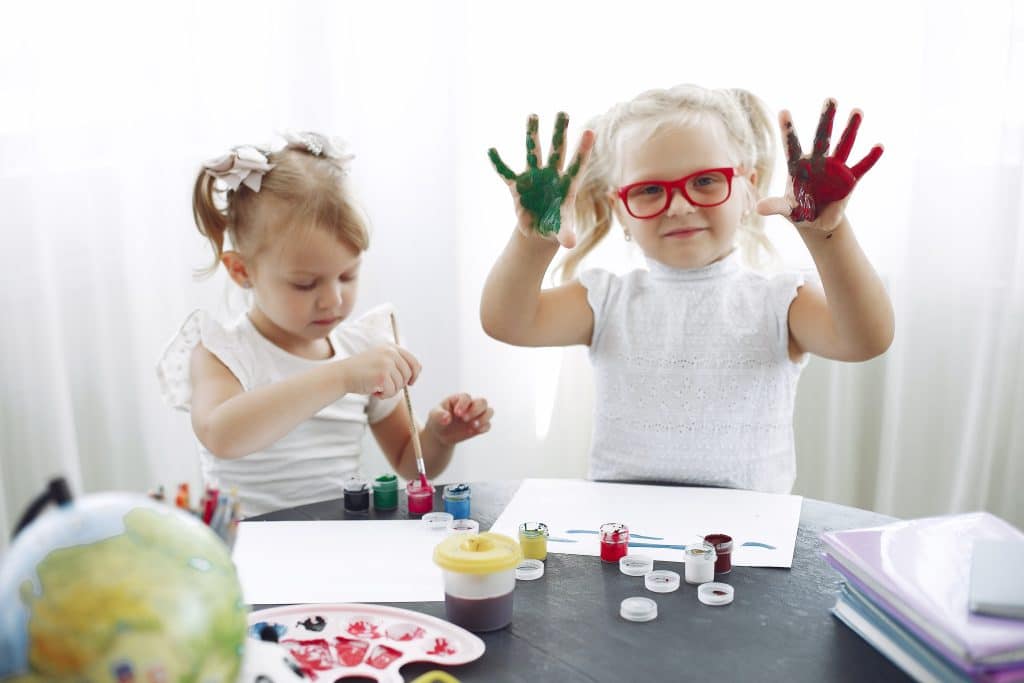
Finger painting is a fun and sensory-rich activity that allows kids with ADHD to express themselves freely. The tactile sensation of the paint can be very calming. Plus, it’s a great way for kids to improve their motor skills and hand-eye coordination.
Here’s how you can set it up:
- Cover the table with a plastic tablecloth or newspaper.
- Use washable, non-toxic paints.
- Provide large sheets of paper.
- Encourage your kids to use their hands to create patterns, shapes, and images.
According to a study by the American Art Therapy Association, engaging in tactile art activities can reduce stress and increase focus in kids with ADHD.
Read more: 5 Art Therapy Activities for Kids
2. Clay Sculpting
Working with clay is another excellent art therapy activity for kids with ADHD. The process of molding and shaping the clay can be incredibly therapeutic. It helps with fine motor skills and provides a productive outlet for excess energy.
Steps to get started:
- Choose air-dry clay to avoid the need for a kiln.
- Provide various sculpting tools like plastic knives and toothpicks.
- Encourage your kids to create simple objects, like animals or shapes.
Research from the National Institute of Health shows that hands-on activities like sculpting can enhance concentration and reduce hyperactivity in kids with ADHD.

Unlock 100+ video classes teaching life skills. Every video is kid-safe with no ads, no web browser, and no youtube. Control everything on your kid’s tablet from the Parent App.
3. Collage Making
Collage making is a versatile art activity that can engage kids with ADHD in a creative process. It involves cutting, gluing, and arranging different materials to create a cohesive piece of art. This can be both a relaxing and stimulating activity.
Here’s what you’ll need:
- Magazines, newspapers, and colorful paper.
- Scissors and glue sticks.
- A large piece of cardboard or paper as a base.
- Markers and stickers for extra decoration.
Encourage your kids to choose images and words that resonate with them and arrange them in a way that tells a story or represents their feelings. Collage making can help improve decision-making skills and foster a sense of accomplishment.
4. Mandala Coloring
Coloring mandalas is a soothing activity that can help kids with ADHD relax and focus. The repetitive patterns of mandalas can be very meditative, promoting mindfulness and reducing anxiety.
How to get started:
- Print out mandala coloring pages from online resources.
- Provide a variety of coloring materials, such as colored pencils, markers, and crayons.
- Set up a quiet space where your kids can color without distractions.
A study published in the Journal of the American Art Therapy Association found that coloring complex patterns like mandalas can significantly reduce symptoms of ADHD.
Read more: Top 10 Coloring Apps for Kids
5. Storytelling Through Art
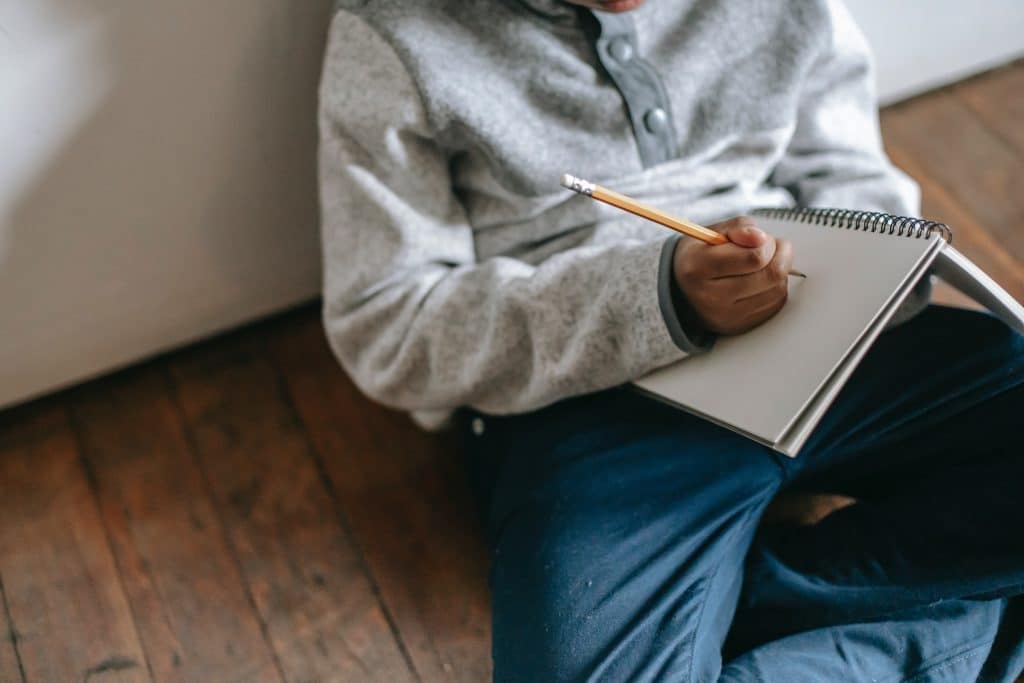
Encouraging kids to tell stories through their art can be an effective way to engage their imagination and improve their narrative skills. This activity allows them to create characters and scenes, which can be very engaging for kids with ADHD.
Steps to try this activity:
- Provide a variety of art supplies such as drawing paper, colored pencils, and markers.
- Ask your kids to think of a story they want to tell.
- Encourage them to draw the characters, settings, and key scenes from their story.
This method helps kids with ADHD practice organizing their thoughts and improves their storytelling abilities, which can translate to better academic performance.
Goally | Fun Games that Build Motor Skills & Manage Screen Time
Looking for ways to improve your child’s finger dexterity skills while also keeping screen time manageable? Try Goally’s fun & motor planning apps.

Our Balloons & Graffiti Street Apps are all about building motor skills in a fun, interactive way. Kids learn to “pop the balloons” or draw dozens of digital art designs while simultaneously developing the essential skills needed to use AAC and other communication tools. Meanwhile, Game Garage is a parent-controlled space filled with entertaining (but parent-controlled) video games that kids can unlock with the points they earn from completing routines.
In summary, these five ADHD-friendly art activities can provide a fun and engaging way for your child to develop their artistic skills and self-expression. By offering a variety of activities that cater to their unique needs, you can help your child build confidence, focus, and creativity. So, grab some art supplies and let the creative journey begin!
Helpful Resources
FAQs About ADHD Art Friendly Activities for Kids
What art activities benefit children with ADHD?
Art activities like painting, sculpture making, and collages can significantly help children with ADHD by encouraging focus, creativity, and emotional expression.
How does art therapy support children with ADHD?
Art therapy provides an engaging, non-verbal outlet for children with ADHD to express their feelings, enhancing focus and self-esteem while reducing impulsivity and hyperactivity.
Can digital art platforms be helpful for kids with ADHD?
Absolutely! Digital art platforms, such as graphic design apps and animation software, can capture the attention of children with ADHD, providing a creative and stimulating outlet for their energy.
Are there specific art-based strategies for parents to help their kids with ADHD at home?
Parents can create a quiet, distraction-free space for art activities, use visual schedules to structure art time, and provide positive reinforcement to encourage their children's artistic pursuits.
What is the role of rewards in motivating children with ADHD to engage in art?
Rewards can provide positive reinforcement, motivating children with ADHD to engage and persist with art activities, which can contribute to improved focus and emotional regulation.
This post was originally published on 05/18/2023. It was updated on 05/17/2024.

Emily is a seasoned blog writer for Goally, leveraging her extensive background in child psychology and special education to provide valuable insights and resources for parents. Her commitment to understanding and addressing the unique needs of these children, combined with her expertise in educational strategies, makes her a credible and empathetic voice for families.