As a practitioner who works with kids, I see firsthand the challenges and triumphs of children with autism. Their unique way of seeing the world adds vibrancy and wonder, but there are also hurdles many parents face. I understand the feeling of wanting to do everything possible to support your kids, no matter their difficulties. Sometimes, knowing to take the time to figure out how best to help can be challenging. If you’re searching for ways to better understand and support a child in your life with autism, this is the place for you. Here are some insights and suggestions on how to help kids with autism.
Table of Contents
Patience is Key
Above all, remember that kids on the spectrum process the world differently. They might get overwhelmed by stimuli you don’t even notice – like fluorescent lights humming or the rough texture of certain clothes. Things that seem simple to us may take longer for them to grasp. Patience is essential. When your child struggles with something, please take a deep breath and remember they’re trying their best.
Teach Expression of Anger
It’s common for kids with autism to struggle with overwhelming emotions like anger or frustration. I remember working with a little boy who would throw the most impressive tantrums when he didn’t understand something. It was like a little volcano erupting! Teach your child safe and healthy ways to express their emotions, such as saying, “I feel angry,” or engaging them in calming activities like drawing or listening to soothing music. Role-playing situations that might make them mad can also be a helpful tool for practicing how to cope with big emotions.
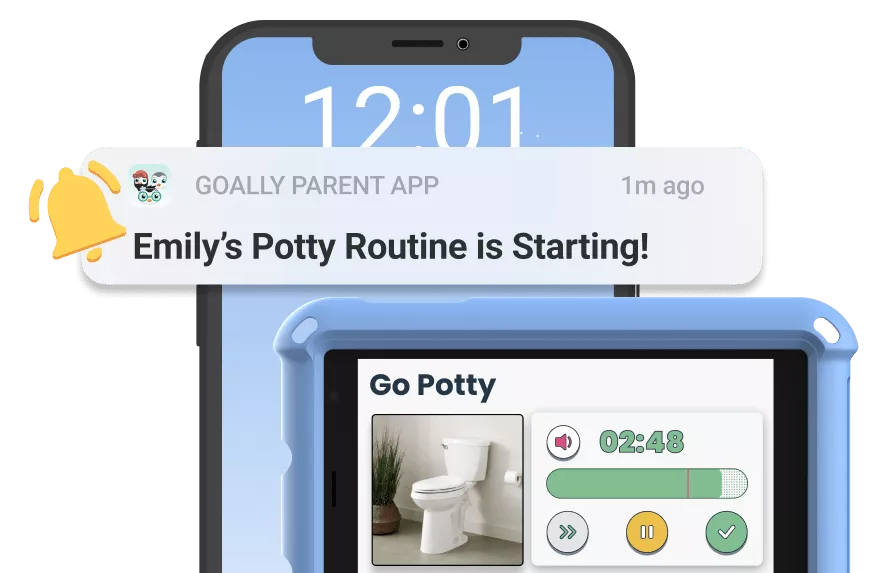
Goally | The Tablet for Neurodiverse Kids

Persistence and Resilience
Helping kids with autism is a marathon, not a sprint. Some days, you’ll see leaps of progress; other days, you might feel discouraged. Don’t lose hope because even small wins are victories. Keep persisting and resilient – your child needs you, and every effort counts.
Focus on the Positives
Celebrate your child’s strengths and victories instead of getting caught up in the challenges. Whether reciting an entire poem or learning to tie their shoes, praise generously and often.
Build on Their Interests
Kids with autism often have intense and beautiful passions. Are they fascinated by sharks? Dinosaurs? The weather? Harness their interests! Turn learning into a fun game centered around what they love. This will make it even more rewarding for them to engage with you, helping them learn naturally and enjoyably.

Read more: Autism and Attachment
Prioritize Predictability
Structure and consistency are helpful for all kids, but for autistic kids, they are extra important. A predictable routine helps kids on the spectrum feel secure and reduces anxiety. Try to keep a consistent schedule for meals, bedtime, and activities.
Break Down Big Tasks
Tasks that seem simple, like getting dressed, can feel overwhelming to a child with autism. Instead of saying, “Go get dressed,” break down the task into smaller, more manageable steps. For example:
- Go to the bedroom
- Pick out your socks.
- Put the socks on your feet.
- Pick out your pants….
Build Custom Printable Visual Schedules
Is your child having trouble managing their routines? Here’s a free visual schedule builder. Goally’s custom tool allows you to create printable personalized schedules that motivate your child to focus on their tasks. Perfect for morning, homework, and bedtime routines, this free visual schedule builder is easy to use and will help your child reach their full potential.
Click below to make your CUSTOM printable visual schedule! 👇
Engage Their Attention
Kids with autism can sometimes have difficulty focusing. When interacting with them, make sure you have their full attention. Please turn off the TV, put away your phone, and reach their level. Use their name often and offer engaging activities that connect with their interests.
Provide Reinforcement
Positive reinforcement is a powerful tool. When your child does something you want to encourage (like using their words instead of screaming), praise them, give them a sticker, or let them have a few extra minutes of their favorite activity. It doesn’t have to be anything significant; the critical part is that it’s consistent and meaningful for them.
Physical Activity is Therapeutic
Channeling energy through physical activity can work wonders for anyone, especially for kids with special needs. Find an activity your child enjoys and get them moving. Swimming, playing at the park, or just dancing around in the living room can help them burn off energy and feel calmer. Can’t you picture your kids splashing around in that water park? I know I can.

Read more: Visual Learning for Autism
Affection and Respect
Kids with autism may be sensitive to physical touch. Ask your child what they prefer and respect their boundaries. Most kids love hugs and snuggles; for some, physical affection is a meaningful way to feel safe and loved.
Celebrate Differences
Autism is a spectrum, which means every child will have unique strengths and challenges. It’s important to avoid comparing your child to others and, instead, focus on supporting them to be the best version of themselves. Remember, with patience, understanding, and the right tools, you can make a massive difference in the life of a child with autism.
Goally | Visual Scheduler for Autism
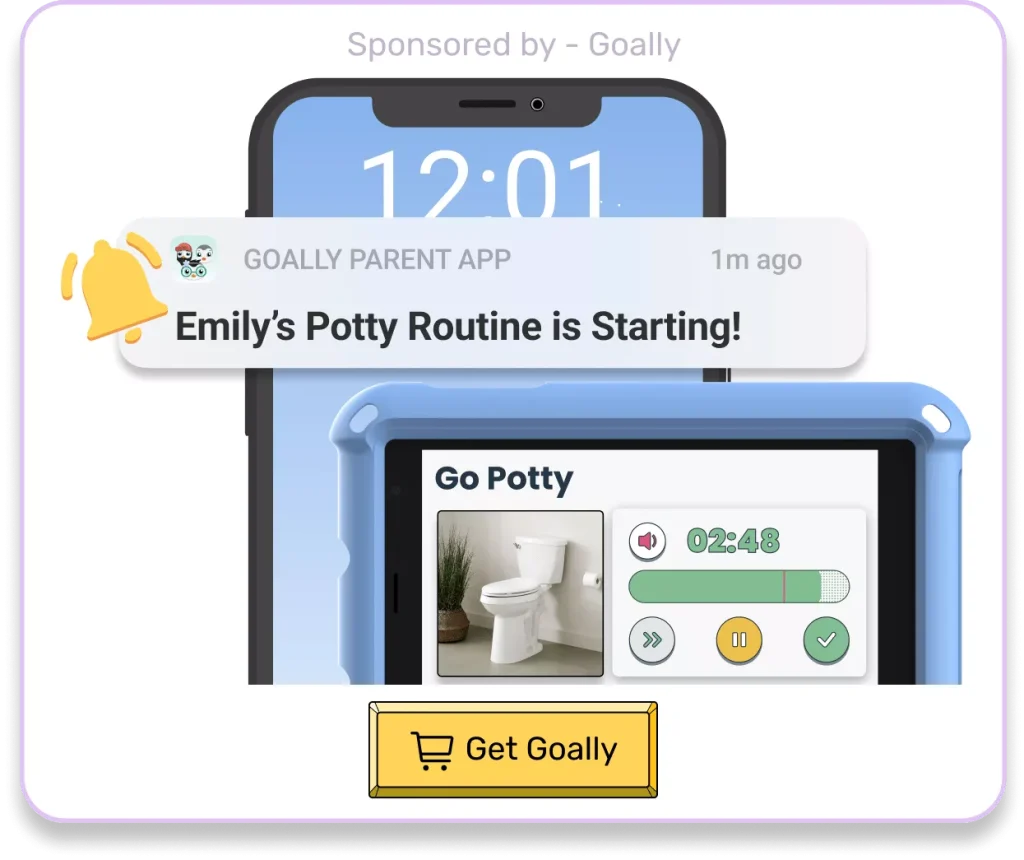
Does your child struggle with getting ready in the morning independently? Goally’s routine app on the best tablet for kids breaks down large tasks into small, achievable steps for autistic kids. Create custom routines with your own videos & pictures for every step.
Raising or supporting a child with autism is both richly rewarding and has its hurdles. However, you’re empowering them to thrive by using tools like patience and consistency and focusing on your child’s unique strengths.
Additional Resources
- The National Autism Association is a non-profit organization dedicated to providing support and resources to individuals with autism and their families.
- Autism Speaks: One of the world’s leading autism advocacy and science organizations.
- The Centers for Disease Control and Prevention: This is a reputable source for the latest information on autism spectrum disorder, including statistics, diagnosis, and treatment options.
FAQ’s About How to Help Kids With Autism
How can I create a routine for my child with autism?
Start with a simple visual schedule using pictures or symbols. Keep mealtimes, bedtimes, and therapy appointments consistent.

What are some ways to help my child with autism cope with sensory overload?
Identify their triggers (loud noises, bright lights, etc.) and create calming spaces with soft lighting or noise-canceling headphones.

How can I help my child with autism communicate better?
Use visual aids like picture cards, try sign language, or explore speech-generating devices if needed.

How can I manage difficult behaviors in my child with autism?
Focus on positive reinforcement by rewarding good behaviors. Ignore attention-seeking negative behaviors whenever possible.

Emily is a seasoned blog writer for Goally, leveraging her extensive background in child psychology and special education to provide valuable insights and resources for parents. Her commitment to understanding and addressing the unique needs of these children, combined with her expertise in educational strategies, makes her a credible and empathetic voice for families.