I work with children every day, and I’ve seen firsthand how confusing it can be for parents to decipher their child’s behaviors and emotions. It’s not always easy to distinguish between shyness and social anxiety, or to recognize early signs of autism. This is why I’ve created an insightful “social anxiety or autism quiz” to help you navigate these concerns with confidence. Backed by credible research, this quiz offers valuable insights into your child’s behavior and provides guidance on understanding their unique needs.
Table of Contents
Understanding Social Anxiety and Autism
As a professional working with kids, I’ve often seen parents grappling with the question – is it social anxiety or autism? I understand your concerns. The behaviors associated with both can overlap, making it challenging to identify the correct diagnosis. For instance, both kids with social anxiety and autism might struggle with social interactions. However, the reasons behind their struggles can be different.
To put it simply, kids with social anxiety fear social situations due to a perceived threat or judgment. On the other hand, kids with autism might find these situations overwhelming due to sensory processing difficulties or challenges in understanding social cues.

Read more: Autism and Social Anxiety | Parents Guide
Spotting the Differences
While it’s essential to seek a professional diagnosis, there are signs you can look out for to differentiate between social anxiety and autism.
- Social Understanding: Kids with social anxiety generally have a good understanding of social rules but fear being judged or embarrassed. However, kids with autism often find it hard to comprehend social norms and cues.
- Eye Contact: Both might avoid eye contact but for different reasons. For kids with social anxiety, it’s part of their fear of social interactions. In contrast, kids with autism may find eye contact uncomfortable or overstimulating.
- Interests: Kids with autism often have intense, focused interests. This isn’t typically seen in kids with social anxiety.
What About Co-Occurrence?
Here’s something crucial to note – social anxiety can co-occur with autism. That is to say, a child can have autism and also experience social anxiety. In fact, research shows that anxiety disorders, including social anxiety, are common in kids with autism. If you suspect this might be the case, it’s essential to seek professional help as managing both can be complex but is certainly achievable with the right support.

Read more: Is It ADHD or Anxiety Quiz
Social Anxiety or Autism Quiz
Now, let’s move on to the main part of this blog—the social anxiety or autism quiz. This quiz is designed to help you better understand your child’s behaviors. Remember, this quiz is not a diagnostic tool. It aims to provide direction and clarity. For a formal diagnosis, always consult with a healthcare professional.
Next Steps After the Quiz
Once you’ve completed the social anxiety or autism quiz, you might have a better direction about your child’s behaviors. But what’s next? Here are some steps I recommend you take.
1. Don’t Jump to Conclusions
Firstly, remember that this quiz is not a definitive diagnosis. It’s a tool to help you understand your child’s behaviors better. While it can provide some insight, it’s crucial not to jump to conclusions based solely on the quiz results.
2. Consult with a Professional
If the quiz results point towards social anxiety or autism, or if you still have concerns, it’s time to consult with a professional. This could be a pediatrician, psychologist, or a child psychiatrist. They can provide a comprehensive evaluation and make an accurate diagnosis.
3. Gather Information
Before your appointment, it can be helpful to gather information. Note down specific behaviors that concern you, any patterns you’ve noticed, and how these behaviors impact your child’s daily life. This information can aid the professional in their evaluation.
4. Seek Support
After a diagnosis, the next step is to seek support. This could be therapy, educational support, or joining a support group for parents. Remember, it’s not just about managing challenges, but also about nurturing your child’s strengths. With the right support, kids with social anxiety or autism can thrive.
5. Practice Self-Care
Finally, don’t forget about self-care. Navigating these challenges can be stressful. Ensure you’re taking time for yourself, practicing stress management, and seeking support when needed. After all, taking care of yourself helps you take better care of your child.
Goally | Visual Scheduler for Autism
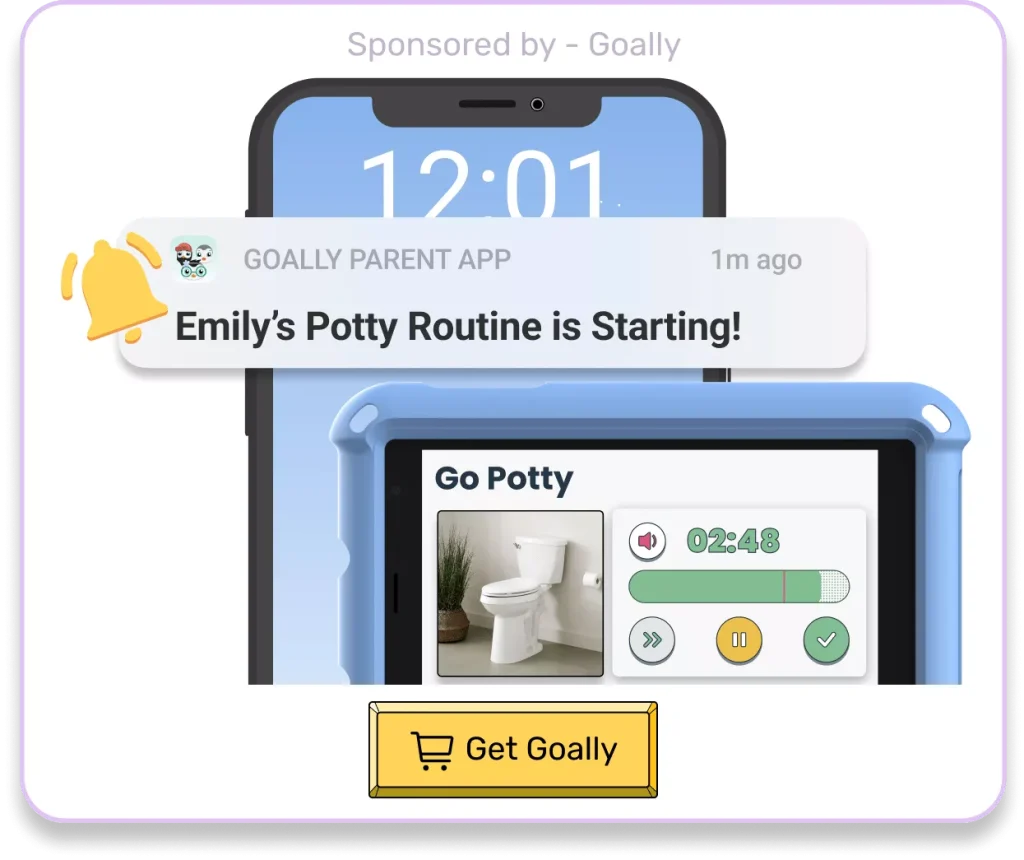
Does your child struggle with getting ready in the morning independently? Goally’s routine app on the best tablet for kids breaks down large tasks into small, achievable steps for autistic kids. Create custom routines with your own videos & pictures for every step.
Understanding if your child’s behaviors align more with social anxiety or autism can be a complex task, but you’re not alone in this journey. Tools like the social anxiety or autism quiz can provide a starting point, but remember, it’s not a definitive diagnosis. It’s crucial to consult with a professional for an accurate diagnosis and tailored support plan. Keep observing, keep noting, and most importantly, keep supporting your child in their unique journey. Remember, every child has their own strengths and potential, and with understanding and support, they can truly shine.
Resources:
- Autism Speaks – This comprehensive resource provides a wealth of information on autism spectrum disorders, including signs, diagnosis, and treatment options.
- Anxiety and Depression Association of America – This site offers an in-depth guide on social anxiety disorder, its symptoms, causes, and coping strategies.
- Understood – A dedicated platform for parents of kids with learning and thinking differences, offering expert advice, personalized resources, and a supportive community.
FAQs about Social Anxiety or Autism Quiz
1. What is the purpose of the social anxiety or autism quiz?
The quiz aims to provide parents with a better understanding of their child's behaviors and suggest whether they align more with social anxiety or autism.

2. Can I use the social anxiety or autism quiz for a formal diagnosis?
No, the quiz is not a diagnostic tool. For a formal diagnosis, always consult with a healthcare professional.

3. What should I do after taking the social anxiety or autism quiz?
If the quiz results point towards social anxiety or autism, or if you still have concerns, it's recommended to consult with a professional for a comprehensive evaluation.

4. Can a child have both social anxiety and autism?
Yes, social anxiety can co-occur with autism. If you suspect this might be the case, it's essential to seek professional help.

5. What kind of behaviors can indicate social anxiety or autism?
While both can result in struggles with social interactions, kids with social anxiety generally fear social situations due to a perceived threat or judgment, while kids with autism might find these situations overwhelming due to sensory processing difficulties or challenges in understanding social cues.
This post was originally published on 03/13/2023. It was updated on 08/08/2024.

Hennah is an experienced writer and researcher, helping children with autism, ADHD, and other neurodivergent conditions. As a blog contributor for Goally, she combines her deep understanding of neurodiversity with practical advice, offering valuable insights to parents and educators.