Potty training can be challenging for children with ADHD, but with the right strategies and patience, success is achievable. Discover how ADHD affects potty training and explore effective tips to support your child’s journey to independence.
Key Takeaways
- ADHD Impact: Challenges include impulsivity, inattention, and difficulty following routines.
- Strategies: Establish routines, use visual aids, and offer positive reinforcement.
- Patience: Stay flexible and patient, adjusting approaches as needed.
Does ADHD affect potty training?
Yes, ADHD can affect potty training by making it harder for children to focus, follow routines, and control impulses. However, with structured routines, visual aids, and positive reinforcement, children with ADHD can achieve potty training success.
Table of Contents
Understanding the ADHD and Potty Training
Understanding how ADHD impacts potty training is important. ADHD affects a child’s ability to focus, sit still, and follow instructions, which can make potty training harder. They may not recognize the urge to go, get distracted easily, or have trouble staying on the toilet long enough to finish.
Here are some common potty training challenges for kids with ADHD:
- Difficulty recognizing the need to use the bathroom
- Impulsivity leading to accidents
- Struggling to follow multi-step instructions
- Resistance to change or new routines
- Difficulty staying on task or sitting still

Read more: Autism Potty Training in 3 Days
Strategies for Potty Training Success
Now that we’ve established that ADHD can indeed affect potty training, let’s explore some strategies to help your child succeed. Remember that every child is unique, and what works for one may not work for another. However, these tips can serve as a starting point for your potty training journey.
1. Establish a Routine
Creating a consistent routine can help your child feel more secure and make it easier for them to remember the steps involved in using the toilet. Schedule regular bathroom breaks throughout the day, and stick to the same routine. This consistency can help your child build the necessary habits for successful potty training.
Consider the following when establishing a routine:
- Choose specific times for bathroom breaks, such as after meals or before bedtime
- Use a timer or an app to remind your child when it’s time for a bathroom break
- Be consistent with the language you use when discussing potty training
2. Use Visual Aids
Visual aids, such as charts or social stories, can be beneficial for kids with ADHD. These tools can help them understand the process and remember the steps involved in using the toilet. You can create a simple visual chart with pictures or drawings that outline each step, or use a social story to explain the process in a more narrative format.
Here are some ideas for visual aids:
- Create a step-by-step chart with images representing each stage of using the toilet
- Use a social story to explain the process in a relatable way
- Consider using a visual timer to help your child understand how long they should be using the toilet
Grab your free potty training sticker chart printable.
Build Custom Printable Visual Schedules
Is your child having trouble managing their routines? Here’s a free visual schedule builder. Goally’s custom tool allows you to create printable personalized schedules that motivate your child to focus on their tasks. Perfect for morning, homework, and bedtime routines, this free visual schedule builder is easy to use and will help your child reach their full potential.
Click below to make your CUSTOM printable visual schedule! 👇
3. Offer Positive Reinforcement
Positive reinforcement is essential for all kids, but it’s especially crucial for those with ADHD. Celebrate your child’s successes, no matter how small, and offer praise and rewards for their efforts. This encouragement can help boost their confidence and motivate them to keep trying.

Read more: Do Kids With ADHD Watch More TV
Some ways to provide positive reinforcement include:
- Praise your child for their efforts and successes
- Offer small rewards, such as stickers or extra playtime
- Create a progress chart to track your child’s achievements
4. Be Patient and Flexible
Potty training can be a lengthy process, particularly for kids with ADHD. It’s essential to be patient and flexible, adjusting your approach as needed to meet your child’s unique needs. Remember that setbacks are normal, and it’s crucial to stay positive throughout the process.
Keep these tips in mind for maintaining patience and flexibility:
- Adjust your expectations and be prepared for setbacks
- Stay calm and supportive, even when accidents happen
- Be open to trying new strategies if something isn’t working
Goally | Routines that Actually Work
Goally’s skill building tablet for kids has routines that break down large tasks into small, achievable steps. It helps kids complete their tasks independently!
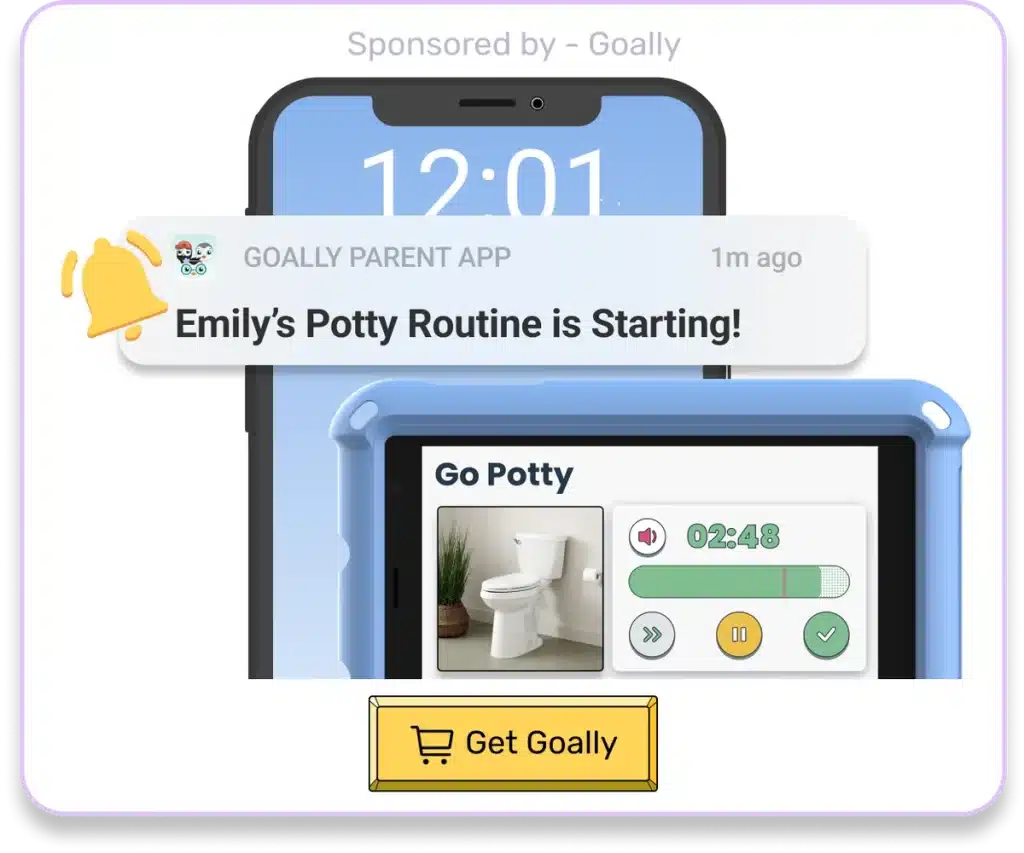
Create custom routines with your own videos & pictures for every step. The steps come in small, bite-sized pieces to help your child learn the little fundamentals (like putting the toothpaste on their toothbrush!) to achieve bigger goals. And that’s just the beginning. See it in action:
So, does ADHD affect potty training? The answer is yes, but with patience, consistency, and the right strategies, your child can achieve potty training success. By understanding the challenges associated with ADHD and potty training, you can better support your neurodivergent child on their journey towards independence. Stay positive, be patient, and remember that you’re not alone in this adventure.
FAQs About If ADHD Affects Potty Training
Does ADHD affect potty training?
Yes, children with ADHD can face difficulties with potty training due to challenges with impulse control, attention, and difficulty following routines.
Why do children with ADHD struggle with potty training?
Children with ADHD may struggle with potty training because they have a harder time focusing on the task, remembering the steps, and resisting distractions.
Can ADHD affect bladder control?
Yes, ADHD can indirectly affect bladder control. Children may become so engrossed in an activity that they ignore the signals their body is sending them about needing to use the bathroom.
What strategies can help a child with ADHD in potty training?
Implementing structured routines, using visual aids, and offering rewards can aid a child with ADHD in mastering potty training.
How can parents help their child with ADHD become potty trained?
Parents can help by creating a consistent bathroom schedule, using visual cues to remind their child, and providing positive reinforcement when progress is made.
This post was originally published on 06/06/2023. It was updated on 08/21/2024.

Emily is a seasoned blog writer for Goally, leveraging her extensive background in child psychology and special education to provide valuable insights and resources for parents. Her commitment to understanding and addressing the unique needs of these children, combined with her expertise in educational strategies, makes her a credible and empathetic voice for families.