Technology has transformed education, bringing excitement and joy to learning. As a licensed practitioner working with kids, I’ve seen firsthand how tech tools can enhance education, especially for kids with special needs. In this blog, we’ll explore how important technology is in education, its benefits, tools, and strategies to enhance learning experiences.
Table of Contents
The Role of Technology in Modern Education
Technology plays a crucial role in modern education. It provides interactive and engaging learning experiences that traditional methods often lack. For instance, educational apps and games make learning fun, which is particularly beneficial for young kids. Additionally, technology offers personalized learning paths, catering to individual needs and learning styles, which is essential for neurodivergent kids.
Benefits of Technology in Education
There are numerous benefits of integrating technology in education. Here are some key advantages:
- Enhanced Engagement: Technology makes learning interactive and fun, keeping kids engaged and motivated.
- Personalized Learning: Tech tools can tailor educational content to fit individual learning styles and paces.
- Accessibility: Technology provides access to a wealth of resources and information, breaking down geographical barriers.
- Collaboration: Online tools enable collaboration among students, fostering teamwork and communication skills.
- Real-Time Feedback: Educational apps provide immediate feedback, helping kids understand concepts better and improve their skills.
Key Technologies in Education
Several key technologies are shaping modern education. These include:
- Interactive Whiteboards: These boards make lessons dynamic and interactive, allowing teachers to incorporate multimedia elements.
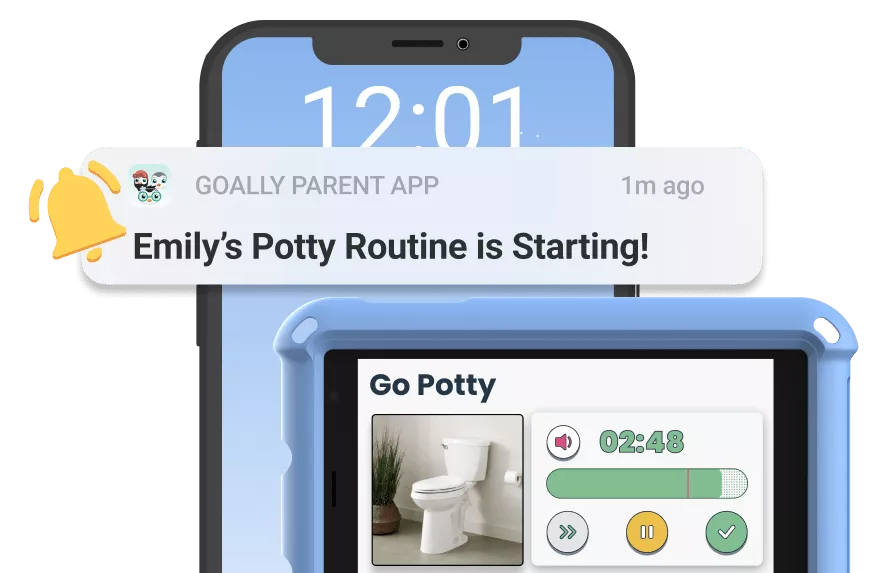
- Educational Apps: Apps like Goally help kids with special needs by providing visual schedules, emotional regulation tools, and reward systems.
- Online Learning Platforms: Platforms like Khan Academy and Coursera offer a vast range of courses and resources accessible from anywhere.
- Virtual Reality (VR): VR provides immersive learning experiences, making abstract concepts tangible and understandable.
- Artificial Intelligence (AI): AI can personalize learning experiences by adapting to the needs and progress of each student.

Technology for Neurodivergent Kids
For neurodivergent kids, technology offers tailored support to enhance learning. Here are some examples:
- Visual Schedules: Apps like Goally provide visual schedules that help kids understand and follow daily routines.
- Emotional Regulation Tools: Tech tools can help kids manage their emotions through guided exercises and activities.
- Assistive Technology: Devices like speech-to-text software assist kids with learning disabilities in overcoming communication barriers.
- Social Skills Training: Interactive games and apps can teach social skills in a structured and engaging way.
Implementing Technology in Education
To effectively integrate technology in education, consider the following steps:
- Identify Needs: Assess the specific needs of your kids and choose appropriate tech tools that address those needs.
- Set Goals: Define clear educational goals and objectives that you aim to achieve with the use of technology.
- Provide Training: Ensure that both educators and kids are trained to use the technology effectively.
- Monitor Progress: Regularly monitor the progress and effectiveness of the tech tools and make adjustments as necessary.
- Engage Parents: Involve parents in the process, providing them with resources and support to help their kids at home.

Challenges of Technology in Education
Despite its benefits, integrating technology in education comes with challenges. Here are a few:
- Cost: Acquiring and maintaining technology can be expensive, particularly for underfunded schools.
- Training: Both teachers and students need adequate training to use technology effectively, which requires time and resources.
- Accessibility: Not all students have access to the necessary devices and internet, creating a digital divide.
- Distraction: Technology can sometimes be a source of distraction rather than a tool for learning if not managed properly.
- Privacy: Ensuring the privacy and security of student data is a significant concern with the use of online tools.
Future of Technology in Education
The future of technology in education looks promising with advancements like AI, VR, and adaptive learning systems. These innovations will further personalize education, making it more accessible and effective. Moreover, the continuous development of educational apps and platforms will provide even more resources and support for neurodivergent kids. As technology evolves, it will continue to transform the educational landscape, offering new opportunities for learning and growth.
Real-Life Example: Technology in Action
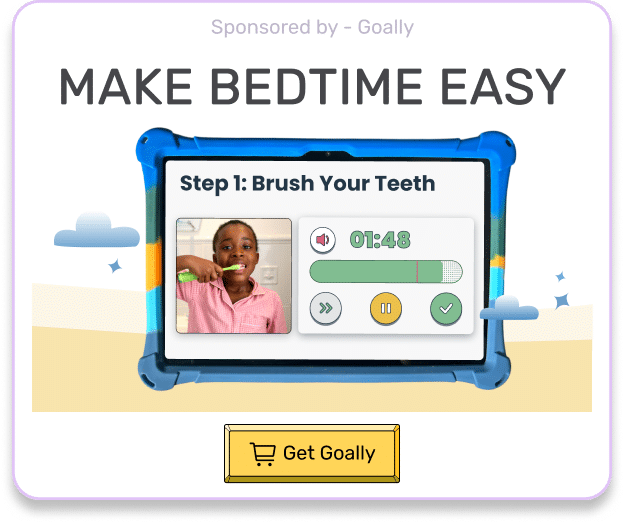
Let me share a story about one of my students, Alex. Alex, a neurodivergent kid, struggled with following daily routines and managing his emotions. By introducing Goally, a tablet with visual schedules and emotional regulation tools, Alex’s life changed significantly. Here’s how:
- Visual Schedules: Alex could now see his daily tasks and routines, helping him stay organized and reducing his anxiety.
- Emotional Regulation: The app provided exercises and activities that helped Alex manage his emotions better.
- Rewards System: Alex was motivated by the rewards system, which encouraged him to complete tasks and follow routines.
Seeing Alex’s progress reaffirmed the importance of technology in education, especially for kids with special needs. The right tools can make a world of difference, enhancing learning and supporting their overall development.
Goally | Apps To Support Child Development
Looking for fun ways to help your child learn life skills? Try Goally! The Goally tablet comes with award-winning learning apps and video classes to help kids develop the skills they need to become independent with FUN & evidence-based practices.
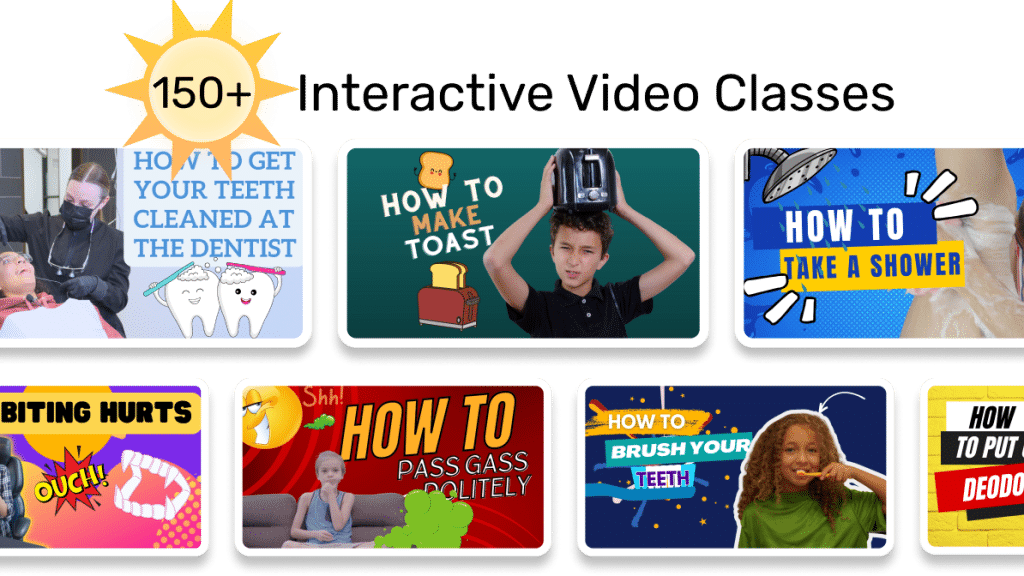
Our apps teach executive function, language, emotional regulation, finger dexterity skills, and more.
As your child develops new skills, you can increase the difficulty level of the tasks in the app to challenge and motivate them even further. This helps your child grow and progress at their own pace, while also keeping them engaged and excited about their development.
Technology is a game-changer in education, offering interactive and personalized learning experiences that cater to the diverse needs of kids, including those with special needs. By integrating tech tools like visual schedules, emotional regulation apps, and online learning platforms, we can enhance engagement, accessibility, and personalized learning. As we embrace these advancements, it’s crucial to address the challenges and ensure that all kids have access to the benefits of technology in education.
Helpful Resources
FAQ’s About How Important is Technology in Education
How does technology enhance student engagement in the classroom?
Technology makes learning interactive and fun, keeping students engaged.

What are the benefits of using educational apps for kids?
Educational apps provide personalized learning experiences and instant feedback.

How can technology support neurodivergent kids in their education?
Technology offers tools like visual schedules and emotional regulation apps that cater to individual needs.

What role does virtual reality play in education?
Virtual reality provides immersive learning experiences, making abstract concepts tangible.

Why is it important to integrate technology in education?
Integrating technology prepares kids for the future and enhances their learning experience.

Emily is a seasoned blog writer for Goally, leveraging her extensive background in child psychology and special education to provide valuable insights and resources for parents. Her commitment to understanding and addressing the unique needs of these children, combined with her expertise in educational strategies, makes her a credible and empathetic voice for families.