Working with kids has shown me firsthand the incredible impact behavior charts can have on their growth. If you’ve been searching for effective ways to support your child’s development, especially their behavior, a behavior chart for 4-year-olds can be a game changer. In this article, we’ll delve into the various benefits of behavior charts, how they foster positive habits, and practical tips for using them effectively. Plus, we have some fantastic behavior charts that you can download for free below!
Table of Contents
Benefits of Behavior Chart
A behavior chart is a tool that parents use to track and reinforce positive behaviors in their children. It can help children understand what is expected of them, reinforce good behavior, and create a positive and structured environment. Some of the specific benefits of using a behavior chart for 4 year olds include:
- Increased motivation: Rewards and positive reinforcement often motivate children. A behavior chart allows parents to track and reward their child’s positive behaviors. This can increase their motivation to continue those behaviors.
- Improved behavior: Children are more likely to behave well when they know what is expected of them. A behavior chart can help children understand what behaviors are acceptable and not.
- Communication: A behavior chart allows parents to communicate their expectations clearly and helps children understand what behaviors are expected of them. This can lead to better communication between parents and children and a more positive and structured home environment.
How Behavior Charts for 4 Year Olds Can Help Children

Read more: Free Printable Behavior Chart for Moms
Behavior charts can be beneficial for 4 year olds who are learning how to regulate their emotions and behaviors. Some of the specific ways that a behavior chart can help children include:
- Teaching responsibility: This tool can help children learn to take control for their actions and understand the consequences of their behavior.
- Building self-esteem: When children receive positive feedback for their behavior, it can help build their self-esteem and confidence.
- Providing structure: A behavior chart offers structure and routine, which can be helpful for young children who thrive on routine and predictability.
Using a Behavior Chart for 4 Year Olds in the Real World
In using a behavior chart for your 4 year old, here are some tips:
- Set clear expectations: Before using a behavior chart, sit down with your child and explain what behaviors you expect from them.
- Choose a reward: Decide on a prize your child will receive when they achieve a certain number of points on the behavior chart. This could be anything from a small toy to a special outing.
- Track progress: Use a chart or graph to track your child’s progress. Be sure to give positive feedback when your child achieves a goal or reaches a milestone.
- Be consistent: Consistency is vital when using a behavior chart. Sticking to the agreed-upon rewards and consequences and using the chart consistently.
- Adjust as necessary: If you find that the behavior chart is not working as well as you had hoped, be open to adjusting it. You may need to change the rewards or consequences or adjust the expectations to better suit your child’s needs.
Goally | Kid’s Tablet for Building Emotional Regulation Skills
Is your child struggling with understanding and managing their emotions? Goally teaches emotional regulation skills in a fun and interactive way!
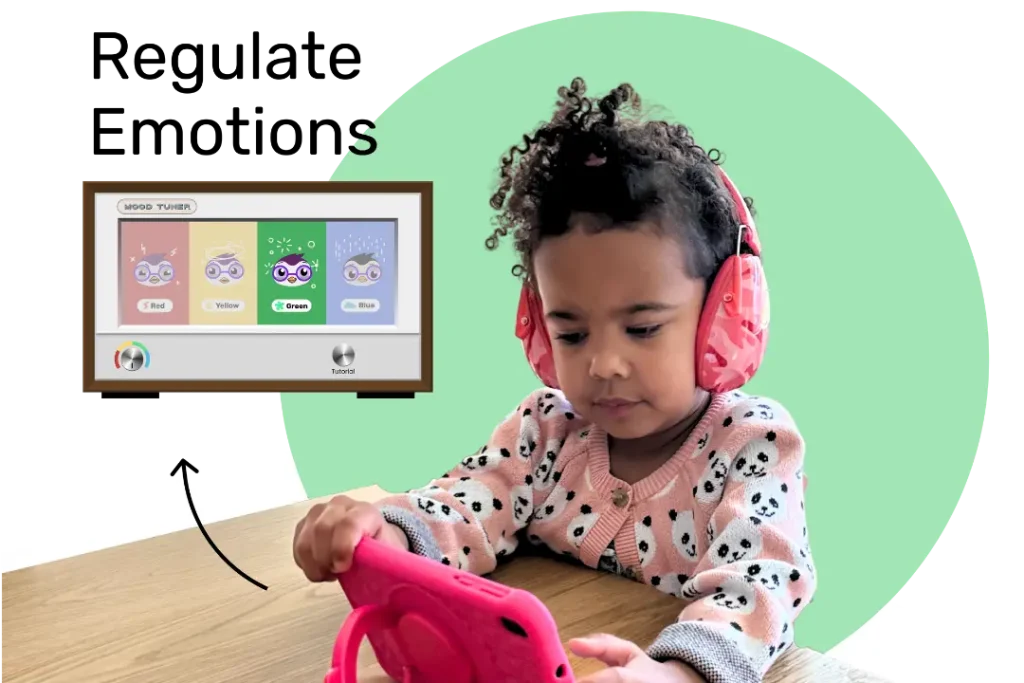
The Mood Tuner app encourages kids to look inwards and identify their feelings, helping them understand what’s going on inside. Once they’ve recognized their emotions, they can choose from a variety of exercises designed to help them self-regulate and find their balance.
In conclusion, a behavior chart can be a helpful tool for parents looking to support their child’s development and reinforce positive behaviors. Parents can help their child learn to regulate their emotions and behaviors, build self-esteem, and develop a sense of responsibility. Parents can do these by setting clear expectations, providing structure, and using positive reinforcement. If you are considering using a behavior chart for your child, communicate clearly, track progress, and be consistent.
Helpful Resources
FAQ’s About Behavior Chart for 4 Year Olds
What is a behavior chart for a 4-year-old?
A behavior chart for a 4-year-old is a tool that helps track and encourage positive behaviors through rewards.

How can I create an effective behavior chart for my 4-year-old?
You can create an effective behavior chart by including simple tasks, clear goals, and immediate rewards.

What behaviors should I focus on with a behavior chart for a 4-year-old?
Focus on specific behaviors like sharing, listening, and following directions when creating a behavior chart.

How often should I update a behavior chart for a 4-year-old?
Update the behavior chart regularly, usually weekly, to keep it engaging and relevant for your child.

Can a behavior chart help with tantrums in 4-year-olds?
Yes, a behavior chart can help reduce tantrums by reinforcing positive behaviors and providing structure.
This post was originally published with 03/14/2023. It was updated on 08/16/2024.

Emily is a seasoned blog writer for Goally, leveraging her extensive background in child psychology and special education to provide valuable insights and resources for parents. Her commitment to understanding and addressing the unique needs of these children, combined with her expertise in educational strategies, makes her a credible and empathetic voice for families.