As someone who’s spent years working with neurodivergent kids, I’ve encountered many parents who worry. They wonder when their baby stares into space for long periods. You might ask yourself, “Is this typical, or could it be a sign of something more?” It’s a valid concern, and in this blog, we’ll explore the potential reasons why a baby might stare into space and how it could be related to autism. Understanding these behaviors early on can make a big difference in your child’s development and well-being.
Table of Contents
What Does It Mean When a Baby Stares Into Space?
When a baby stares into space, it can be puzzling for parents. Is the baby simply daydreaming, or is there something more significant at play? In many cases, staring into space is a normal part of a baby’s development. Babies constantly absorb the world around them, sometimes needing a moment to process all the new information they encounter. This can lead to brief periods where they appear staring off into the distance.
However, prolonged or frequent staring episodes can sometimes indicate an underlying issue. For example, some neurodivergent kids, including those with autism, might exhibit this behavior more often. This doesn’t mean that staring into space automatically indicates autism, but it is one of many behaviors that might prompt a closer look at your child’s development.

Possible Reasons for Staring into Space
There are several reasons why a baby might stare into space, ranging from the mundane to the more concerning. Here are some possibilities:
- Processing Information: Babies are learning at an incredible rate, and sometimes they need to take a break to process everything. Staring into space can be their way of taking in and making sense of new stimuli.
- Overstimulation: The world can be overwhelming, especially for babies. If they are bombarded with too much sensory input, they might stare into space to calm themselves.
- Fatigue: Just like adults, babies can get tired. Feeling sleepy or overstimulated, they might zone out and stare into space as a sign that they need rest.
- Signs of Autism: For some babies, frequent or prolonged staring can be an early sign of autism. If this behavior is accompanied by other signs, such as lack of eye contact, delayed speech, or repetitive behaviors, it’s worth discussing with a healthcare professional.
Staring into Space and Autism
So, is staring into space a sign of autism? It can be, but it’s important to consider the full picture. Autism spectrum disorder (ASD) is characterized by a range of behaviors, including difficulties with social interaction, communication challenges, and repetitive behaviors. Staring into space might be one of the behaviors you observe, but it’s rarely the only one.
For example, you might notice that your baby also avoids eye contact. Your baby may have delayed speech development. They might engage in repetitive actions like hand flapping. These behaviors, when combined, can point toward autism. According to the Centers for Disease Control and Prevention (CDC), early signs of autism can appear as early as 6 months of age, but they are usually more noticeable by 18 months to 2 years old. Suppose you’re seeing a combination of these signs. In that case, it’s essential to consult with a pediatrician who can guide you through the next steps.
When to Be Concerned
It’s natural to be concerned when you notice your baby staring into space frequently, especially if it happens more often than with other kids their age. While occasional staring is normal, certain red flags might indicate it’s time to seek professional advice:
- Frequent and Prolonged Episodes: If your baby stares into space multiple times a day and each episode lasts for several minutes, it’s worth discussing with your pediatrician.
- Other Developmental Delays: If the staring is accompanied by other developmental delays, such as not responding to their name, not making eye contact, or not babbling by 12 months, these could be signs of autism.
- Lack of Interest in Social Interaction: Babies are typically very social and curious about the world around them. If your baby seems uninterested in interacting with others, this could cause concern.

Steps to Take if You’re Concerned
If you’re worried that your baby’s staring might be linked to autism, the first step is to talk to your pediatrician. They can evaluate your child’s development and determine if further assessment is needed. Early intervention is crucial in addressing any developmental concerns, and your pediatrician can help you get the support your child may need.
In addition to seeking professional advice, there are also things you can do at home to support your baby’s development:
- Engage in Play: Spend time playing with your baby, encouraging them to explore new toys and activities. This can help stimulate their development and provide opportunities for social interaction.
- Encourage Eye Contact: Try to make eye contact with your baby during everyday activities, like feeding or changing diapers. This can help reinforce social connections and communication skills.
- Monitor Their Development: Keep track of your baby’s milestones and share any concerns with your pediatrician. Early detection of developmental delays can lead to earlier intervention and better outcomes.
Understanding the Spectrum: Autism and Sensory Processing
Autism is a spectrum disorder, meaning it affects each person differently. One area where differences often emerge is in sensory processing. Some kids with autism may be hypersensitive to certain stimuli, such as bright lights, loud noises, or even clothing textures. Others might be hypersensitive, seeking out sensory input in unusual ways, such as through constant movement or, in some cases, staring into space.
Sensory processing differences can explain why some neurodivergent kids engage in behaviors like staring into space. They might be overwhelmed by sensory input and need to retreat into their own world for a while to process it. Alternatively, they might find certain sensory experiences fascinating and focus on them intently. Understanding your child’s sensory preferences can be key to supporting their development. This knowledge can help them navigate the world in a comfortable way.
Practical Tips for Parents
If your baby frequently stares into space, there are several steps you can take to support their development and ensure they’re on track:
- Create a Calming Environment: Reduce overstimulation by creating a calm, quiet space for your baby to relax. This can help them feel more secure and less overwhelmed by sensory input.
- Engage Their Senses: Provide opportunities for your baby to explore different sensory experiences in a controlled and supportive environment. This might include playing with textured toys, listening to soft music, or exploring different tastes and smells.
- Follow Their Lead: Pay attention to your baby’s cues and let them guide the pace of play and interaction. If they seem overwhelmed, give them time to retreat and regroup before introducing new activities.
What to Expect from a Pediatric Evaluation
If you seek a pediatric evaluation for your baby, knowing what to expect is helpful. The evaluation will typically involve a combination of observations, parent interviews, and standardized assessments. Your pediatrician may refer you to a specialist, such as a developmental pediatrician, neurologist, or psychologist, for further evaluation.
The goal of the evaluation is to get a comprehensive understanding of your child’s development and identify any areas where they might need support. Depending on the findings, your child might be eligible for early intervention services, including speech therapy, occupational therapy, or behavioral therapy. Early intervention has been shown to improve outcomes for kids with developmental delays, so it’s important to follow through with recommended services.
Goally | Visual Scheduler for Autism

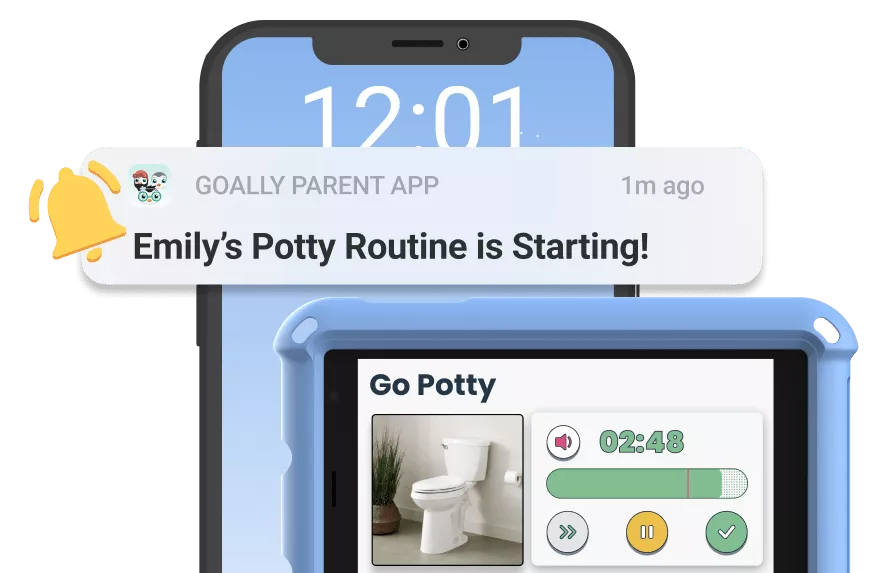
Does your child struggle with getting ready in the morning independently? Goally’s routine app on the best tablet for kids breaks down large tasks into small, achievable steps for autistic kids. Create custom routines with your own videos & pictures for every step.
Seeing your baby stare into space can be concerning. Still, it’s important to remember that this behavior alone isn’t a definitive sign of autism. By staying attuned to your baby’s development and seeking professional advice when needed, you can ensure they receive the support they need to thrive. Whether creating a sensory-friendly environment at home or pursuing early intervention services, there are many ways to help your baby reach their full potential.
Helpful Resources
- Centers for Disease Control and Prevention (CDC)
- Autism Society
- Eunice Kennedy Shriver National Institute of Child Health and Human Development (NICHD)
FAQ’s About Why Baby Stares Into Space
What does it mean when a baby stares into space?
A baby staring into space may be processing new information or taking a sensory break.

Is it normal for a baby to stare into space?
Yes, it's normal for babies to occasionally stare into space as they develop.

Can staring into space be a sign of autism?
Frequent and prolonged staring into space can sometimes be an early sign of autism.

When should I be concerned about my baby staring into space?
You should be concerned if your baby frequently stares into space and shows other developmental delays.

How can I help my baby if they frequently stare into space?
Creating a calming environment and engaging their senses can help if your baby frequently stares into space.

Emily is a seasoned blog writer for Goally, leveraging her extensive background in child psychology and special education to provide valuable insights and resources for parents. Her commitment to understanding and addressing the unique needs of these children, combined with her expertise in educational strategies, makes her a credible and empathetic voice for families.