As someone who works closely with neurodivergent children, I’ve seen firsthand that having an Individualized Education Program (IEP) doesn’t always guarantee success. If your child is still struggling academically despite having an IEP, it’s important to understand why. This post will delve into potential reasons for those challenges and offer practical steps you can take to support your child. We’ll discuss understanding the IEP process, collaborating with the school, and accessing additional resources to aid your child’s learning journey.
Table of Contents
Understanding the IEP Process
Firstly, it’s essential to understand the IEP process and how it’s to help your child. An IEP is a legal document that outlines the specific accommodations, modifications, and services your child needs to succeed in school. However, sometimes the IEP might not be adequately addressing your child’s needs.
Here are some possible reasons:
- The IEP goals are not specific or measurable
- The accommodations and modifications are not being implemented consistently
- The IEP is not being reviewed and not making regular changes

Read more: IEP Meeting Tips
So, if you’re thinking, “My child has an IEP but is still failing,” it’s crucial to identify the root cause. To do this, you’ll need to review and revise the IEP, ensuring it’s just for your child’s unique needs.
Review and Revise the IEP
To ensure your child’s IEP is effective, you need to be proactive in reviewing and revising it. Here are some steps you can take:
- Schedule a meeting with the IEP team: Request a meeting with your child’s IEP team to discuss their progress and any concerns you have. This team typically includes teachers, school administrators, and special education professionals.
- Review the IEP goals: Make sure the goals are specific, measurable, achievable, relevant, and time-bound (SMART). If they’re not, work with the team to revise them.
| IEP Goal | Is it SMART? |
|---|---|
| Improve reading skills | No |
| Read 20 words per minute with 90% accuracy by the end of the semester | Yes |
- Evaluate the accommodations and modifications: Discuss whether the current accommodations and modifications are being implemented consistently and effectively. If not, consider revising them or adding new ones.
- Monitor progress: Regularly track your child’s progress toward their IEP goals. If they’re not making progress, it might be time to revisit the IEP and make adjustments.
By taking these steps, you can help ensure your child’s IEP is addressing their needs and setting them up for success.

Read more: IEP Learning Disability
Collaborate with the School
Working closely with your child’s school is crucial for their success. Here are some ways to foster a strong partnership:
- Communicate regularly: Stay in touch with your child’s teachers and the IEP team. Share any concerns you have about your kid’s progress.
- Volunteer: Be active in school activities and events. This can help you build relationships with school staff and better understand the school environment.
Moreover, it’s essential to advocate for your child and ensure their needs are being met. This includes making sure they have access to the resources and support they need.
Seek Additional Resources
Sometimes, your child may need extra support beyond what the IEP and school can provide. Here are some resources to consider:
- Tutoring: Look for a tutor who specializes in working with neurodivergent kids. They can provide targeted, one-on-one support to help your child improve their academic skills.
- Therapy: Occupational, speech or behavioral therapy can help address specific challenges your child may be facing.
- Support groups: Connect with other parents of neurodivergent kids. They can offer valuable advice, resources, and emotional support.
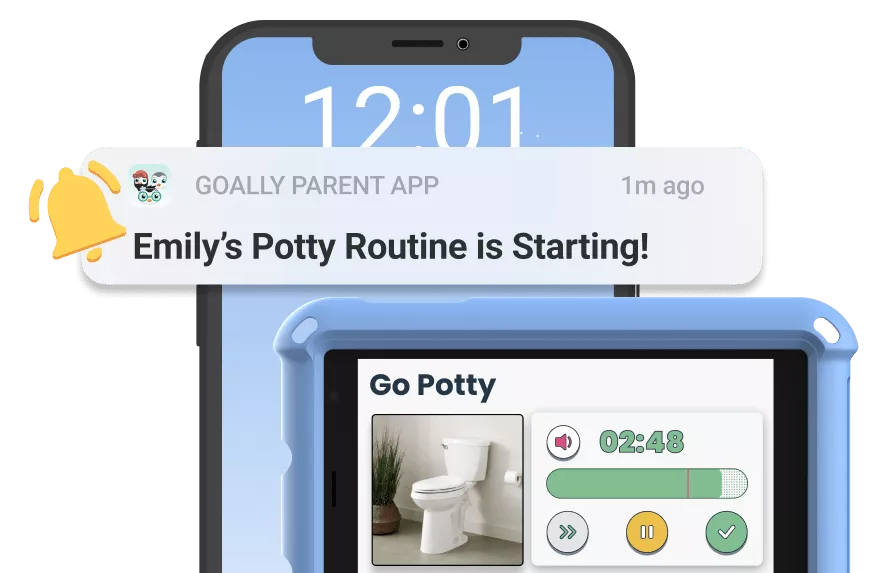
In addition, consider using educational apps and tools, like Goally, designed to help neurodivergent kids develop essential skills and stay organized. Goally’s learning tablet and apps can provide the extra support your child needs to thrive academically.
Goally | Apps To Support Child Development
Looking for fun ways to help your child learn life skills? Try Goally! The Goally tablet comes with award-winning learning apps and video classes to help kids develop the skills they need to become independent with FUN & evidence-based practices.

Our apps teach executive function, language, emotional regulation, finger dexterity skills, and more.
As your child develops new skills, you can increase the difficulty level of the tasks in the app to challenge and motivate them even further. This helps your child grow and progress at their own pace, while also keeping them engaged and excited about their development.

Above all, remember that progress takes time. Your child’s journey may have ups and downs, but with patience, persistence, and the right support, they can overcome obstacles and achieve success. Keep advocating for your child, collaborating with the school, and seeking additional resources like Goally to help them reach their full potential.
Helpful Resources
FAQ’s About My Child Has an IEP but is Still Failing
What should I do if my child has an IEP but is still failing?
Consult with the IEP team to review and adjust the plan to better support your child's needs.

Can an IEP be modified if my child is failing?
Yes, an IEP can be revised to include additional supports and strategies to help your child succeed.

What are common reasons a child with an IEP might fail?
Common reasons include insufficient support, inappropriate goals, or unmet accommodations.

How often should an IEP be reviewed if my child is not making progress?
IEPs should be reviewed at least annually, but more frequent reviews can be requested if your child is struggling.

What can I do to support my child at home if they are failing with an IEP?
Implement consistent routines, use visual schedules, and collaborate with teachers to reinforce learning at home.
This post was originally published on 05/17/2023. It was updated on 07/26/2024.

Emily is a seasoned blog writer for Goally, leveraging her extensive background in child psychology and special education to provide valuable insights and resources for parents. Her commitment to understanding and addressing the unique needs of these children, combined with her expertise in educational strategies, makes her a credible and empathetic voice for families.