As a parent, you know that every child is unique, and when it comes to teaching students with special needs, the learning journey can be both rewarding and challenging. In this blog post, we’ll share practical strategies and insights to help you navigate the world of neurodivergent kids, empowering them to reach their full potential. With the right tools and approach, you can make a significant impact on your child’s learning experience.
Table of Contents
Understanding the Needs of Your Child
Before diving into specific teaching strategies, it’s crucial to understand the unique needs of your child. Students with special needs may have different learning styles, strengths, and challenges. By recognizing these factors, you can tailor your approach to better support their growth and development.
Some common neurodivergent conditions include:
- Autism Spectrum Disorder (ASD)
- Attention Deficit Hyperactivity Disorder (ADHD)
- Dyslexia
- Dyscalculia
- Language and communication disorders
Remember, each child is different, and their needs may change over time. Stay informed and maintain open communication with your child’s educators and support team to ensure you’re providing the best possible support. In the table below, you’ll find some common characteristics of students with special needs and potential strategies to address them.
| Characteristic | Strategy |
|---|---|
| Difficulty with focus and attention | Provide a structured environment with clear routines |
| Challenges with reading and writing | Use multi-sensory teaching techniques |
| Struggles with social skills | Teach and model appropriate social behaviors |
Strategies for Teaching Students with Special Needs
Now that you have a better understanding of your child’s needs let’s explore some effective teaching strategies that can make a difference in their learning journey.
1. Create a Structured Environment
Consistency is key for kids with thinking and learning differences. Establishing a structured environment with clear routines and expectations can help them feel more secure and focused.
This includes:
- Setting up a designated workspace for learning
- Establishing a daily schedule with consistent routines
- Using visual aids, such as charts and calendars, to help them stay organized
Moreover, you can also involve your child in creating their learning space and schedule. This will give them a sense of ownership and responsibility, making them more likely to adhere to the routines you’ve established together.
Goally | The Tablet for Neurodiverse Kids
2. Break Tasks into Manageable Steps
Breaking tasks into smaller, more manageable steps can make learning more accessible for students with special needs. This approach, known as task analysis, helps kids understand and complete complex tasks by focusing on one step at a time.
To implement this strategy:
- Identify the steps required to complete a task
- Teach each step individually, ensuring mastery before moving on
- Provide support and encouragement throughout the process
For example, if your child is learning to tie their shoes, you might break the task down into smaller steps like looping the laces, making a knot, and tightening the loops. By mastering each step individually, your child will gain confidence and eventually be able to complete the entire task independently.
3. Use Multi-Sensory Teaching Techniques
Multi-sensory teaching techniques engage multiple senses, making learning more engaging and effective for neurodivergent kids. By incorporating visual, auditory, and tactile elements into your teaching, you can cater to various learning styles and help your child retain information more effectively.

Read more: Student Behavior Chart
Some examples of multi-sensory techniques include:
- Using manipulatives, such as blocks or beads, to teach math concepts
- Incorporating visual aids, like flashcards and diagrams, to support reading and writing skills
- Utilizing technology, such as educational apps and interactive games, to reinforce learning
Remember to be creative and flexible in your approach. You might find that certain techniques work better for your child than others, so don’t be afraid to experiment and adapt as needed. Check out some sensory bin ideas.
4. Encourage Active Learning
Active learning involves students taking an active role in their education rather than passively receiving information. This approach can be particularly beneficial for kids with special needs, as it encourages them to think critically, problem-solve, and develop essential life skills.
To promote active learning:
- Ask open-ended questions that encourage critical thinking
- Provide opportunities for hands-on learning and exploration
- Encourage collaboration and teamwork through group activities
For instance, instead of simply telling your child how plants grow, you might have them plant seeds, observe the growth process, and discuss their observations. This hands-on approach can make learning more meaningful and enjoyable for students with special needs.

Read more: How to Develop Social Skills in Students
Supporting Your Child’s Social and Emotional Development
Teaching students with special needs goes beyond academics; it’s also essential to support their social and emotional development. By fostering a positive learning environment and encouraging healthy relationships, you can help your child build confidence, resilience, and essential life skills.
Here are some ways to support their social and emotional growth:
- Encourage open communication and active listening
- Teach and model appropriate social skills and behaviors
- Provide opportunities for peer interaction and friendship-building
- Offer praise and encouragement to boost self-esteem
It’s also important to be patient and understanding as your child navigates their social and emotional development. Celebrate their successes, no matter how small, and provide a safe space for them to express their feelings and concerns.
Goally | Apps To Support Child Development
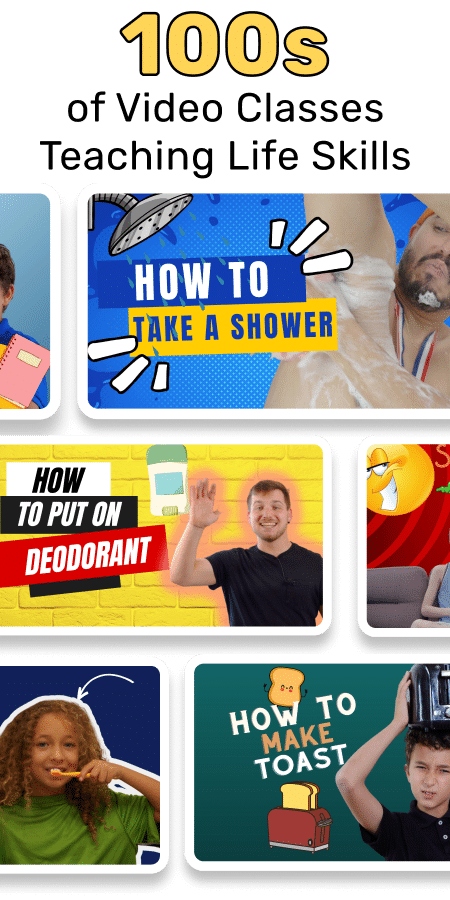
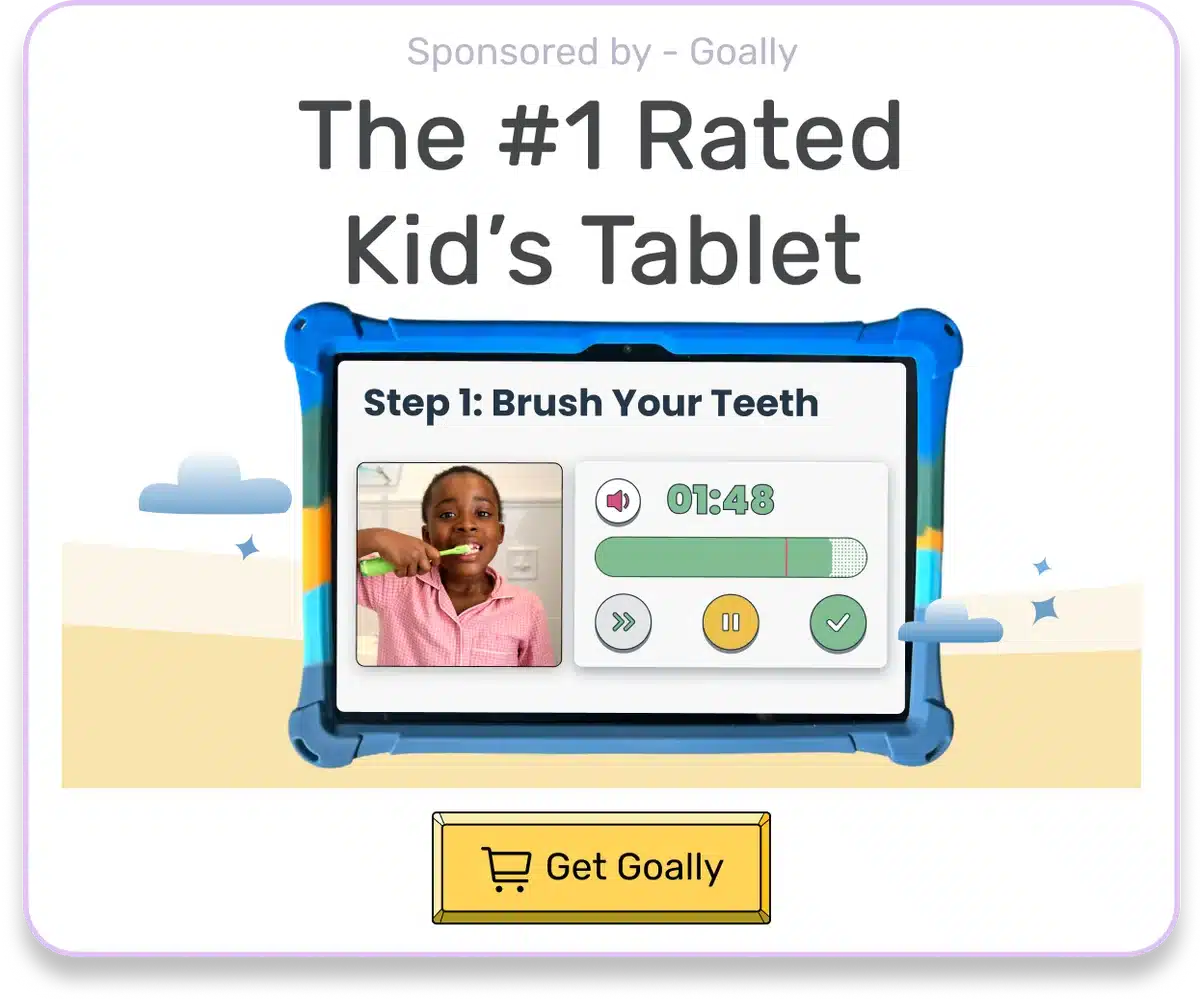
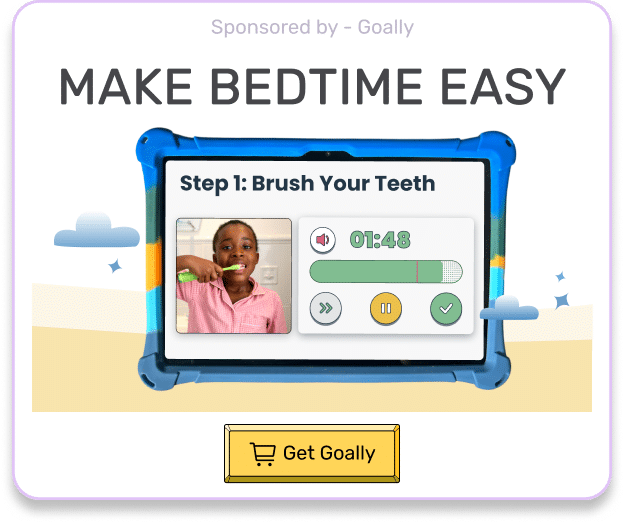
Looking for fun ways to help your child learn life skills? Try Goally! The Goally tablet comes with award-winning learning apps and video classes to help kids develop the skills they need to become independent with FUN & evidence-based practices.
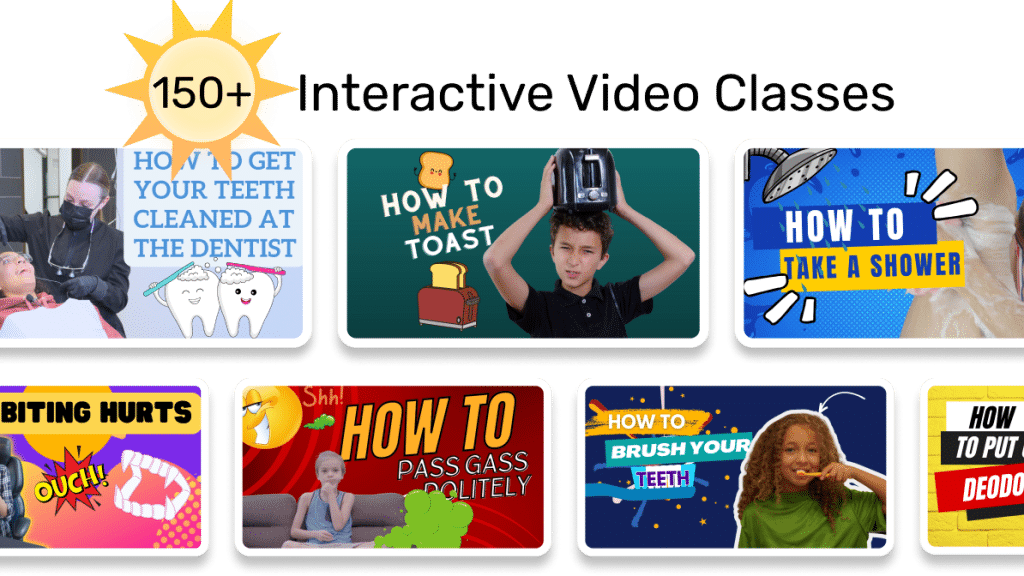
Our apps teach executive function, language, emotional regulation, finger dexterity skills, and more.
As your child develops new skills, you can increase the difficulty level of the tasks in the app to challenge and motivate them even further. This helps your child grow and progress at their own pace, while also keeping them engaged and excited about their development.
Embracing the Journey
Teaching students with special needs can be a rewarding and transformative experience for both you and your child. By understanding their unique needs, implementing effective teaching strategies, and supporting their social and emotional development, you can help your child unlock their full potential. Remember, every child’s journey is different, and with patience, persistence, and love, you can make a lasting impact on their lives.
FAQs About Students with Special Needs
What is a visual schedule, and why is it essential for students with special needs?
A visual schedule is a tool that uses images or symbols to represent tasks, activities, or events. It helps students with special needs understand daily routines and expectations, reducing anxiety and increasing independence.
How can emotional regulation apps benefit my child with special needs?
Emotional regulation apps use interactive features to help children identify, understand, and manage their emotions. They accommodate children with special needs as they offer a structured and engaging way to develop emotional intelligence.
What are some effective rewards for encouraging positive behavior in children with special needs?
Simple rewards like stickers, extra playtime, or a small treat can be highly effective. Tailor the reward to your child's interests to maximize engagement and motivation.
How can parents get started with creating a visual schedule at home?
Start by identifying vital daily routines and represent each with a picture or symbol. Place these in a visible area and review them with your child regularly.
Are there any recommended emotional regulation apps for students with special needs?
Apps like "Calm" and "Smiling Mind" are often recommended for their user-friendly interfaces and specialized programs designed to help children with emotional regulation.
This post was originally published on 05/04/2023. It was updated on 06/01/2024.

Emily is a seasoned blog writer for Goally, leveraging her extensive background in child psychology and special education to provide valuable insights and resources for parents. Her commitment to understanding and addressing the unique needs of these children, combined with her expertise in educational strategies, makes her a credible and empathetic voice for families.