

Autism worksheets are helpful tools designed to support learning, communication, and emotional development in children with autism spectrum disorder. These printable resources can focus on a variety of skills—from identifying emotions and following routines to improving social interactions and building independence. Whether used at home, in therapy, or in the classroom, autism worksheets provide structured, visual, and hands-on activities that make learning more accessible and engaging for neurodivergent kids. In this guide, you’ll find examples of how these worksheets can be used to support your child’s growth in a way that’s both effective and fun.
Table of Contents
What Are Autism Worksheets?
These are educational materials that can help children with ASD improve their cognitive, social, and communication skills. They are typically activities meant to be by a parent or therapist. These worksheets can be just for your child’s specific needs. They can cover various topics, such as emotional regulation, social skills, and language development.
Benefits of These Worksheets
Autism Worksheets can provide a wide range of benefits to children with ASD, including:
- Enhanced Communication Skills: Children with ASD often have difficulty communicating their thoughts and emotions. These tools can help them develop their language and communication skills through activities that focus on vocabulary, sentence formation, and conversation skills.
- Improved Social Skills: Social interaction can be challenging for children with ASD. Autism Worksheets can help them practice social skills such as turn-taking, eye contact, and body language, which can improve their ability to communicate and interact with others.
- Increased Confidence: Children with ASD may struggle with self-esteem and confidence. Completing these worksheets can give them a sense of accomplishment, boosting their confidence and motivating them to learn more.
How Autism Worksheets Can Help Children
These worksheets can be an essential tool in helping children with ASD develop their skills. Here are a few ways they can help:
- Fostering Independence: These worksheet can help children with ASD become more independent by providing structured activities they can complete independently.
- Individualized Learning: You can tailor the worksheets to fit your child’s specific needs, focusing on areas where your child needs the most support.
- Visual Learning: Many children with ASD are visual learners, and Autism Worksheets often incorporate visual aids such as pictures and diagrams, which can aid in their learning.
How to Use Autism Worksheets
You can use Autism Worksheets in various ways and incorporate them into your child’s daily routine. Here are a few examples:
- Home Practice: You can use these tools to reinforce the skills your child is learning in therapy sessions. Completing worksheets at home can help your child generalize and apply their skills in different contexts.
- Therapist Sessions: Your child’s therapist may use Autism Worksheets to help them practice specific skills during their sessions.
- School Activities: Some schools incorporate Autism Worksheets into their curriculum to support children with ASD.
Goally | Visual Scheduler for Autism
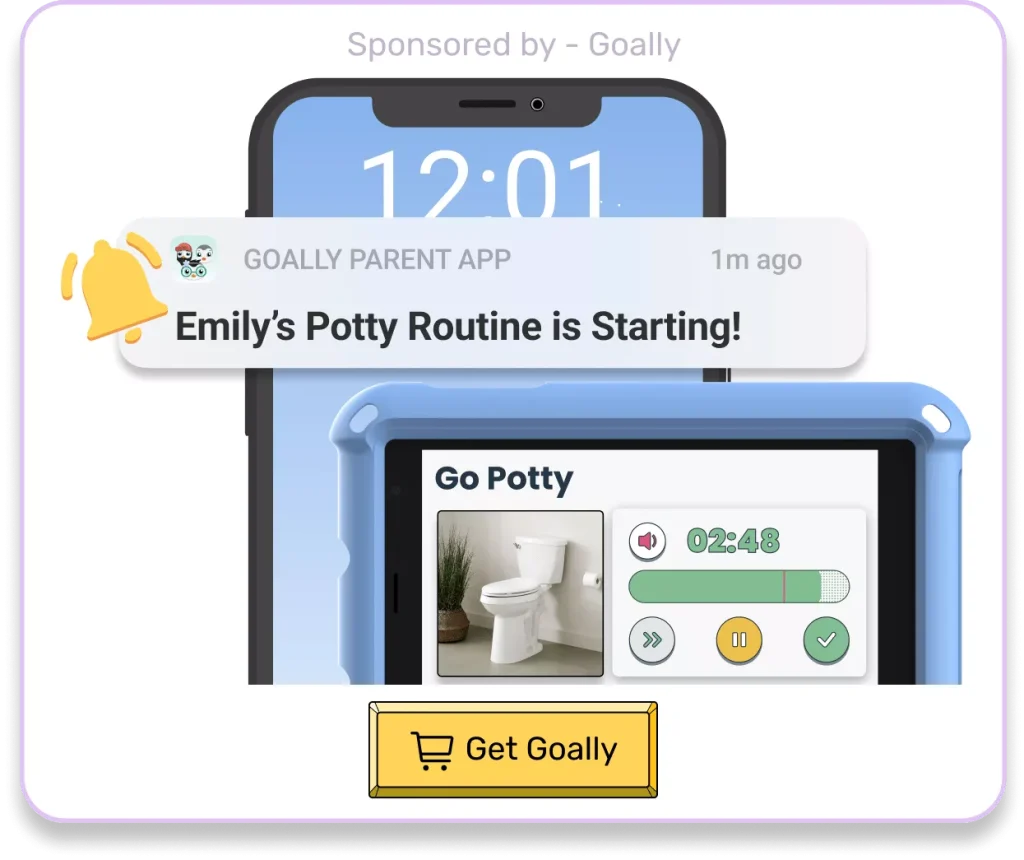
Does your child struggle with getting ready in the morning independently? Goally’s routine app on the best tablet for kids breaks down large tasks into small, achievable steps for autistic kids. Create custom routines with your own videos & pictures for every step.
Autism worksheets offer a simple yet effective way to support learning and development for children on the spectrum. Whether you’re focusing on social skills, communication, emotional regulation, or daily routines, these structured activities can make a big difference. By using worksheets consistently—at home, in school, or during therapy—parents and educators can provide kids with the tools they need to thrive, one step at a time.

Emily is a seasoned blog writer for Goally, leveraging her extensive background in child psychology and special education to provide valuable insights and resources for parents. Her commitment to understanding and addressing the unique needs of these children, combined with her expertise in educational strategies, makes her a credible and empathetic voice for families.




