As a childcare professional, I’ve seen many parents worry when their kids seem more active than usual. One common question I hear is, “Can anxiety cause hyperactivity?” Let’s explore this connection and find out.
Key Takeaways:
- Anxiety can cause hyperactivity in kids, leading to restlessness and impulsivity.
- Recognizing anxiety-related hyperactivity is essential for effective support.
- Managing both anxiety and hyperactivity often requires a combination of strategies, including behavioral interventions and professional guidance.
Yes, anxiety can cause hyperactivity in kids. This is often seen as increased restlessness, impulsivity, and difficulty focusing, which can sometimes be mistaken for ADHD.
Table of Contents
Understanding the Link Between Anxiety and Hyperactivity
Anxiety is a natural response to stress, and in kids, it can manifest in various ways, including physical symptoms. One of the ways anxiety can show up is through hyperactivity. When a child is anxious, their body might go into “fight or flight” mode, releasing adrenaline that can make them feel more energetic or restless. This can lead to behaviors that look a lot like hyperactivity, such as fidgeting, pacing, or talking rapidly.
In my experience, kids with anxiety may have a hard time sitting still or focusing, not because they’re inattentive, but because their minds are racing with worry. This can be particularly challenging for parents and educators, as these behaviors can easily be mistaken for ADHD. However, it’s crucial to recognize the difference so that the child can get the right support.
Why Anxiety Can Cause Hyperactivity
When a child feels anxious, their brain is flooded with stress hormones like cortisol and adrenaline. These hormones prepare the body to respond to a threat, even if the “threat” is something as simple as an upcoming test or a social situation. For some kids, this response can manifest as hyperactivity.
This is why you might notice your child becoming more fidgety or impulsive when they’re worried about something. The energy from these stress hormones has to go somewhere, and it often comes out as increased movement or a need to stay busy. Understanding this can help parents and caregivers find better ways to support their kids through anxious moments.
Signs of Anxiety-Related Hyperactivity
Hyperactivity caused by anxiety can look different from the hyperactivity associated with ADHD. For instance, a child with anxiety might be more likely to experience episodes of hyperactivity in specific situations, such as before a big event or during a stressful period at school. On the other hand, ADHD-related hyperactivity tends to be more constant and less tied to particular triggers.

Read more: Is Hyperactivity a Mental Disorder?
Here are some signs that your child’s hyperactivity might be related to anxiety:
- Restlessness that increases in stressful situations
- Difficulty sitting still when worried
- Rapid speech or racing thoughts
- Frequent outbursts or irritability
- Trouble focusing, especially during anxious moments
How to Support a Child with Anxiety-Related Hyperactivity
As a caregiver, it’s essential to recognize the signs of anxiety in your child and understand how it might be affecting their behavior. Here are some strategies that I’ve found helpful in my work with kids:
- Create a Calm Environment: Help your child find a quiet space where they can relax and decompress. This might be their bedroom, a corner of the living room, or even a special spot outside.
- Encourage Physical Activity: Sometimes, the best way to manage hyperactivity is to let it out. Encourage your child to engage in physical activities that they enjoy, whether it’s running, swimming, or just playing outside.
- Teach Relaxation Techniques: Simple techniques like deep breathing, meditation, or progressive muscle relaxation can help your child calm their mind and body.
- Maintain a Routine: A predictable routine can reduce anxiety by providing a sense of security. Try to keep mealtimes, bedtimes, and other daily activities consistent.
- Seek Professional Help: If your child’s anxiety and hyperactivity are interfering with their daily life, it might be time to consult a mental health professional who can offer additional support and strategies.
Managing Anxiety and Hyperactivity Together
Managing both anxiety and hyperactivity requires a multifaceted approach. It’s not just about reducing hyperactivity but also addressing the underlying anxiety that’s driving it. In my experience, this often involves a combination of behavioral strategies, environmental adjustments, and sometimes professional intervention.
For example, helping a child develop healthy coping mechanisms for anxiety can reduce the likelihood of hyperactive behaviors. This might include teaching them to recognize the physical signs of anxiety, like a racing heart or sweaty palms, and using calming techniques to manage these symptoms before they escalate.
When to Seek Professional Help
If you’re noticing persistent hyperactivity in your child, especially if it seems tied to anxiety, it’s important to seek professional help. A therapist or counselor can work with your child to develop coping strategies that address both their anxiety and hyperactivity. They can also help determine whether the hyperactivity is related to anxiety or if there might be another underlying condition, like ADHD.
In some cases, a pediatrician might recommend further evaluation or even medication to help manage severe anxiety or hyperactivity. However, this is usually considered after other interventions have been tried.
The Importance of Early Intervention
Early intervention is key when it comes to managing anxiety and hyperactivity in kids. The sooner you can identify and address these issues, the better the outcome is likely to be. This doesn’t mean rushing to a diagnosis, but rather being mindful of your child’s behaviors and seeking help when something doesn’t seem right.
In my experience, kids who receive support early on are better equipped to manage their anxiety and any associated behaviors as they grow older. They learn the skills they need to navigate stressful situations and can develop healthier patterns of behavior.
How to Differentiate Between Anxiety and ADHD
One of the challenges parents face is determining whether their child’s hyperactivity is due to anxiety or ADHD. While both conditions can cause similar behaviors, there are some key differences. Anxiety-related hyperactivity is often situational, triggered by specific events or stressors, while ADHD-related hyperactivity is more consistent and pervasive.
It’s important to work with a healthcare professional to get an accurate assessment. In some cases, a child might have both anxiety and ADHD, which can complicate the picture. A comprehensive evaluation can help clarify what’s going on and guide the best course of action.
Tired of Emotional Meltdowns?
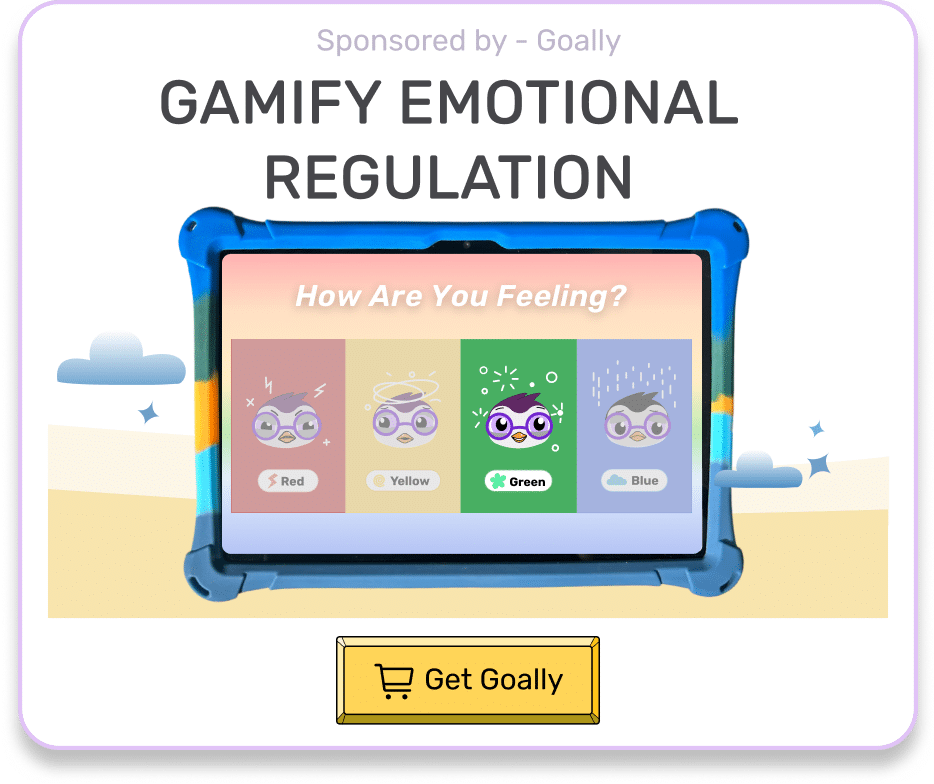
Goally’s Mood Tuner app has activities for kids with BIG emotions. Teach kids how to tune their mood with Goally. See fewer meltdowns.
The Mood Tuner app encourages kids to look inwards and identify their feelings, helping them understand what’s going on inside. Once they’ve recognized their emotions, they can choose from a 20+ activities designed to help them self-regulate and find their balance.
Anxiety can indeed cause hyperactivity in kids, and recognizing this link is crucial for providing the right support. As a parent or caregiver, understanding the signs of anxiety-related hyperactivity and knowing how to help your child manage it can make a significant difference in their well-being. Remember, you’re not alone in this—there are many resources and professionals available to help you and your child navigate these challenges together.
Helpful Resources
- American Academy of Child and Adolescent Psychiatry
- Child Mind Institute
- Anxiety and Depression Association of America
FAQs About Can Anxiety Cause Hyperactivity
Can anxiety cause hyperactivity in kids?
Yes, anxiety can lead to hyperactivity in kids, especially during stressful times.

How can I tell if my child's hyperactivity is due to anxiety or ADHD?
Hyperactivity in anxiety is often situational, while ADHD-related hyperactivity is more consistent.

What are the signs of anxiety-related hyperactivity?
Common signs include restlessness, fidgeting, and difficulty focusing.

Can relaxation techniques help reduce anxiety-related hyperactivity?
Yes, deep breathing and physical activity can help reduce anxiety-related hyperactivity.

When should I seek professional help for my child's anxiety-related hyperactivity?
 If the hyperactivity interferes with daily life, it’s important to seek professional advice.

Emily is a seasoned blog writer for Goally, leveraging her extensive background in child psychology and special education to provide valuable insights and resources for parents. Her commitment to understanding and addressing the unique needs of these children, combined with her expertise in educational strategies, makes her a credible and empathetic voice for families.