As a licensed practitioner working with kids, I’ve had the joy of witnessing firsthand how crucial social-emotional skills are for their overall development. Social-emotional skills are soft skills that help people relate to others and manage their emotions. They can be important in collaborative work environments and for building healthy relationships. In this blog, I’ll share a comprehensive social emotional skills list for kids, highlighting the essential skills that support their growth and well-being. This guide is designed to help you understand and foster these skills in your child, ensuring they have the tools to navigate social interactions and manage their emotions effectively.
Table of Contents
1. Self-awareness
Self-awareness is the foundation of social-emotional learning. It involves understanding one’s own thoughts, feelings, and behaviors. Kids with strong self-awareness can recognize their emotions and understand how they affect their actions. This skill helps them to identify their strengths and weaknesses, which is essential for personal growth and self-improvement.
For instance, a child who is aware that they feel anxious before a test can develop strategies to manage their anxiety, such as deep breathing or positive self-talk. Self-awareness also enables kids to understand their impact on others, fostering empathy and improving social interactions.
2. Emotional self-regulation
Emotional self-regulation refers to managing and responding healthily to emotional experiences. This skill is vital for kids to cope with stress, frustration, and other challenging emotions. Children can avoid impulsive reactions and make thoughtful decisions by learning to regulate their emotions.
For example, when a child feels angry, emotional self-regulation helps them calm down before responding. This can prevent conflicts and promote positive interactions with peers and adults. Techniques like mindfulness, deep breathing, and physical activity can help kids develop this skill.
3. Empathy
Empathy is recognizing and understanding other people’s feelings. It is a key component of building strong, healthy relationships. When kids develop empathy, they can connect with others more deeply, fostering kindness and compassion.
Empathetic kids are more likely to support peers who are struggling and engage in prosocial behaviors like sharing and cooperating. You can encourage empathy by discussing emotions, reading books about diverse experiences, and modeling empathetic behavior yourself.
4. Relationship management
Relationship management involves managing one’s own emotions and the emotions of others in social interactions. This skill helps kids build and maintain healthy relationships, resolve conflicts, and work effectively in teams.
For instance, a child who can manage their emotions during a disagreement with a friend is more likely to resolve the conflict peacefully. Teaching kids active listening, clear communication, and conflict resolution strategies can enhance their relationship management skills.

Read more: How Does Mindfulness Help?
5. Responsible decision-making
Responsible decision-making is making caring and constructive choices about personal behavior and social interactions. This skill involves considering the consequences of one’s actions and making decisions that align with one’s values and the well-being of others.
Kids with strong decision-making skills can weigh the pros and cons of different options and choose the best course of action. You can support this skill by discussing various scenarios and encouraging kids to think about the potential outcomes of their choices.
6. Self-motivation
Self-motivation is the drive to achieve goals and pursue interests without needing external encouragement. This skill is important for academic success and personal development. Self-motivated kids are more likely to persevere through challenges and stay focused on their goals.
To foster self-motivation, help your child set realistic goals, celebrate their achievements, and encourage a growth mindset. By recognizing their own progress and effort, kids can develop a sense of intrinsic motivation.
Goally | The Tablet for Neurodiverse Kids

7. Social awareness
Social awareness is the ability to understand and respond to the needs and perspectives of others. This skill helps kids navigate social situations and build positive relationships. Socially aware kids are more likely to engage in inclusive behaviors and show respect for diversity.
Encourage social awareness by discussing different cultures, teaching about empathy and perspective-taking, and promoting inclusive activities. Kids can build stronger, more inclusive communities by understanding and appreciating differences.
8. Problem-solving
Problem-solving is the ability to identify and resolve issues effectively. This skill is essential for overcoming obstacles and achieving goals. Kids who are good problem-solvers can think critically, analyze situations, and come up with creative solutions.
Help your child develop problem-solving skills by encouraging them to brainstorm solutions to challenges, evaluate the pros and cons of different options, and learn from their mistakes. Practicing these steps can build their confidence and resilience.
9. Conflict resolution
Conflict resolution is the ability to resolve disagreements constructively. This skill helps kids manage disputes and maintain positive relationships. By learning effective conflict resolution techniques, kids can handle conflicts without escalating them.
Teach your child to use “I” statements, actively listen to others, and find mutually beneficial solutions. Role-playing different scenarios can also help them practice these skills in a safe environment.

Read more: 7 Communication Skills for Kids
10. Adaptability
Adaptability is adjusting to new situations and challenges. This skill is crucial for coping with change and uncertainty. Adaptable kids can handle transitions, new environments, and unexpected events more easily.
Encourage adaptability by exposing your child to new experiences, teaching them coping strategies, and fostering a positive attitude towards change. By building their adaptability, you can help them navigate life’s ups and downs more effectively.
11. Patience
Patience is the ability to wait calmly and without frustration. This skill is important for managing stress and maintaining positive relationships. Patient kids are better able to handle delays, setbacks, and challenges without becoming upset.
Help your child develop patience by practicing waiting, teaching mindfulness techniques, and modeling calm behavior. Reinforcing the value of patience can improve their ability to handle difficult situations.
Best Parent-Approved AAC App:

Goally comes with an easy-to-use, fully customizable AAC device to help kids communicate. If you’re on a waitlist, this is the fastest way to get your child access to an AAC Talker and start communicating!
12. Communication skills
Communication skills are essential for expressing thoughts and feelings clearly and effectively. This skill helps kids articulate their needs, listen to others, and engage in meaningful conversations.
Encourage your child to practice active listening, use “I” statements, and express themselves confidently. Kids can improve their social interactions and relationships by building strong communication skills.
13. Gratitude
Gratitude is recognizing and appreciating the good things in life. This skill promotes positive emotions and overall well-being. Grateful kids are more likely to experience happiness and satisfaction.
Teach your child to practice gratitude by keeping a gratitude journal, expressing thanks to others, and focusing on positive experiences. Cultivating a sense of gratitude can enhance their emotional health and relationships.
14. Self-confidence
Self-confidence is the belief in one’s abilities and worth. This skill is important for achieving goals and building resilience. Confident kids are more likely to take on challenges and persevere through difficulties.
Encourage your child’s self-confidence by praising their efforts, setting achievable goals, and promoting a growth mindset. By building their self-confidence, you can help them navigate life’s challenges more easily.
15. Resilience
Resilience is the ability to bounce back from adversity. This skill helps kids cope with setbacks, stress, and difficult emotions. Resilient kids are better equipped to handle life’s challenges and maintain well-being.
Support your child’s resilience by teaching coping strategies, encouraging a positive attitude, and providing a supportive environment. Building resilience can help them thrive in the face of adversity.
Goally | Apps To Support Child Development
Looking for fun ways to help your child learn life skills? Try Goally! The Goally tablet comes with award-winning learning apps and video classes to help kids develop the skills they need to become independent with FUN & evidence-based practices.
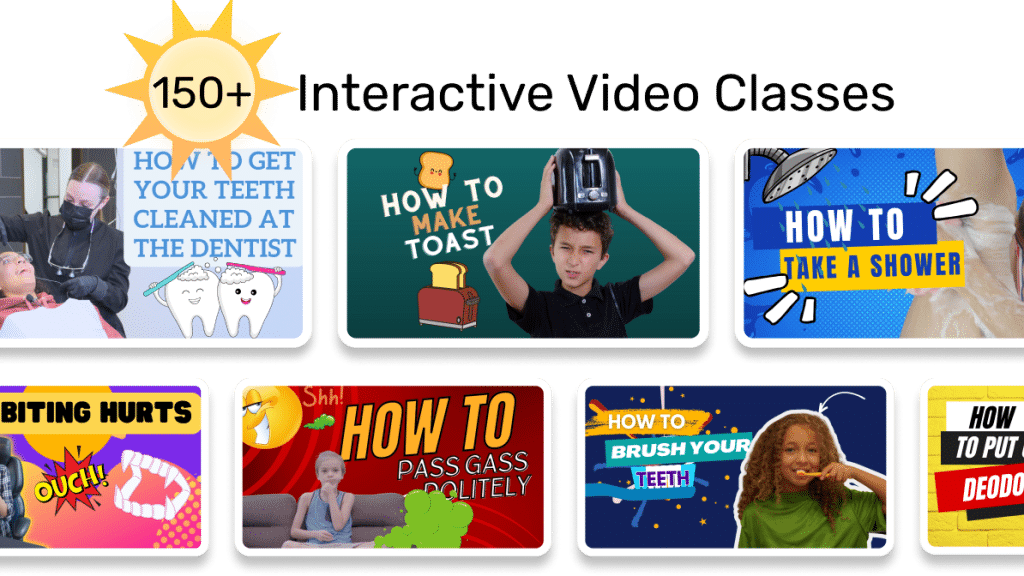
Our apps teach executive function, language, emotional regulation, finger dexterity skills, and more.
As your child develops new skills, you can increase the difficulty level of the tasks in the app to challenge and motivate them even further. This helps your child grow and progress at their own pace, while also keeping them engaged and excited about their development.

Developing children’s social emotional skills list is crucial for their overall growth and well-being. By fostering self-awareness, emotional self-regulation, empathy, relationship management, responsible decision-making, self-motivation, social awareness, problem-solving, conflict resolution, adaptability, patience, communication skills, gratitude, self-confidence, and resilience, we can help them navigate social interactions and manage their emotions effectively. As a caregiver, you play a vital role in supporting your child’s development in these areas, ensuring they have the tools they need to succeed.
Helpful Resources
FAQ’s About Social Emotional Skills
What are social-emotional skills?
Social-emotional skills are abilities that help individuals understand and manage their emotions, build healthy relationships, and make responsible decisions.

Why are social-emotional skills important for kids?
These skills are crucial for kids as they support their emotional well-being, improve their social interactions, and enhance their ability to cope with challenges.

How can parents help develop their child's social-emotional skills?
Parents can foster these skills by modeling positive behavior, teaching empathy, and encouraging open communication about feelings.

What is an example of a social-emotional skill?
An example is self-awareness, which involves understanding one's own emotions and how they impact behavior.

How do social-emotional skills impact academic performance?
Kids with strong social-emotional skills often perform better academically as they can manage stress, collaborate with peers, and stay motivated.

Emily is a seasoned blog writer for Goally, leveraging her extensive background in child psychology and special education to provide valuable insights and resources for parents. Her commitment to understanding and addressing the unique needs of these children, combined with her expertise in educational strategies, makes her a credible and empathetic voice for families.