Early intervention between ages 3-5 is pivotal for neurodivergent children, significantly enhancing cognitive, language, and social skills. This proactive approach sets a foundation for lifelong success.
Key Takeaways:
- Early intervention from ages 3-5 boosts communication, social, and academic skills.
- Customized, evidence-based programs with family involvement are crucial.
- Consistency at home reinforces learning and development.
Why is early intervention important for neurodivergent children? Early intervention, starting between ages 3-5, enhances cognitive, language, and social abilities, setting a strong foundation for lifelong success.
Table of Contents
The Power of Early Intervention
Why Early Intervention Matters
The significance of early intervention for neurodivergent kids cannot be overstated. Studies show that intervening between ages 3-5 can lead to substantial improvements in cognitive, language, and social abilities. In other words, by addressing your child’s needs early on, you’re setting them up for success throughout their lives.
The Benefits Unleashed
Early intervention ages 3-5 offers an array of advantages for both your child and your family. For example, some key benefits include:
- Improved communication skills: Your child’s ability to express themselves and understand others is enhanced.
- Development of social and emotional skills: Kids learn to interact with others, manage emotions, and navigate social situations.
- Better academic outcomes: Early intervention is linked to higher academic achievement and school readiness.
- Increased self-confidence: Kids start to feel more assured about themselves and their capabilities.
- Stronger relationships: Developing meaningful connections with family, friends, and peers becomes easier.
- Greater independence: Children learn to be more self-reliant in various aspects of their lives.

Read more: The Best Daily Routine App for Kids
Besides these benefits, early intervention provides the essential knowledge and support that parents and caregivers need on this journey.
Choosing the Right Early Intervention Program
Identifying Your Child’s Needs
The quest for an ideal early intervention program begins with understanding your child’s unique requirements. First, seek guidance from your child’s doctor, therapist, and/or educator. Then, identify the areas where your child needs the most support, such as communication, motor skills, or social skills. This groundwork will ensure you make informed choices regarding the program that will best fit your child.
Key Components of an Effective Program
A top-notch early intervention program must comprise the following components:
- Customized approach: Tailored to cater to your child’s individual needs.
- Strength-based methodology: Focused on building upon the child’s existing abilities.
- Evidence-based strategies: Utilizes proven interventions and techniques.
- Family involvement: Encourages and supports active parental engagement.
- Regular progress monitoring: Tracks your child’s progress and adjusts accordingly.
Furthermore, the program should have an interdisciplinary team of professionals working closely together for your child’s benefit.
Tips for Evaluating Programs
As you search for an appropriate early intervention program, keep these considerations in mind:
- Investigate the program’s reputation and success stories.
- Confirm the qualifications, experience, and expertise of the team involved.
- Seek recommendations from other parents.
- Assess the program’s commitment to family participation.
- Visit the facility and determine if it promotes an inclusive and positive environment.

Read more: Child Autism Test
Supporting Your Child at Home
Partnering with Professionals
Forming strong partnerships with your child’s educators and therapists is vital for early intervention success. Engage actively in meetings, voice your questions, and share insights about your child. Remember, your understanding of your child’s strengths and needs is invaluable for their growth.
Reinforcing Skills and Strategies
To maximize the effectiveness of your child’s program, maintain consistency in practicing skills and strategies at home. Here are some suggestions:
- Play games and engage in activities that promote language, motor, and social skills.
- Establish clear expectations and consequences to instill positive behavior.
- Create a daily routine that fosters security and predictability.
- Encourage, praise, and reward your child’s efforts and progress.
Nurturing Yourself and Your Family
Caring for a neurodivergent child can be both challenging and rewarding. Consequently, it’s crucial to prioritize self-care and rely on friends, family, and professionals for support. Ensuring your well-being enables you to provide the best possible care for your child.
Goally | Apps To Support Child Development
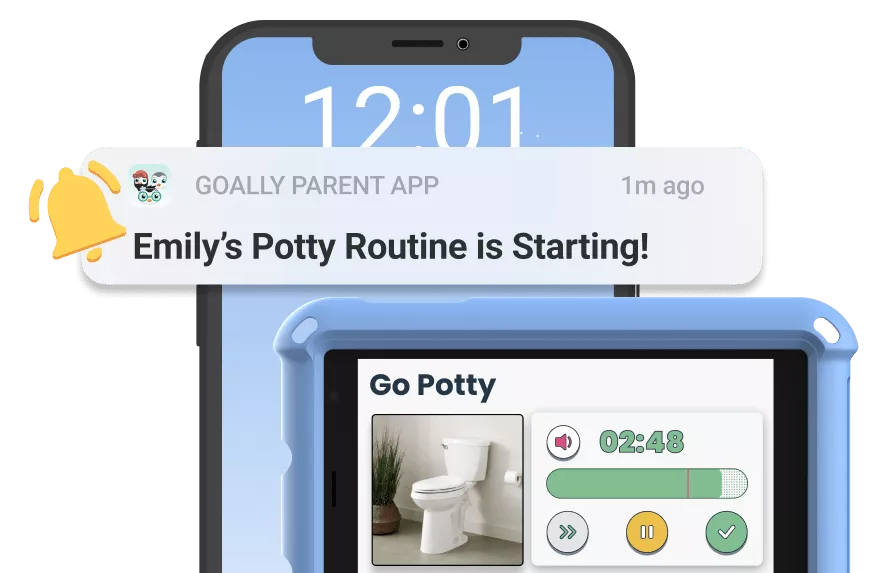
Looking for fun ways to help your child learn life skills? Try Goally! The Goally tablet comes with award-winning learning apps and video classes to help kids develop the skills they need to become independent with FUN & evidence-based practices.

Our apps teach executive function, language, emotional regulation, finger dexterity skills, and more.
As your child develops new skills, you can increase the difficulty level of the tasks in the app to challenge and motivate them even further. This helps your child grow and progress at their own pace, while also keeping them engaged and excited about their development.

Early intervention ages 3-5 can greatly impact the growth and development of neurodivergent kids. By actively participating in their journey and selecting the right program, you pave the way for their lifelong success. Continue learning, advocating, and being the extraordinary parent you are. The potential of your child is limitless, and together, you’ll shine.
Helpful Resources
FAQ’s About Early Intervention Ages 3-5
What are the benefits of early intervention for children ages 3-5?
Early intervention enhances cognitive, social, and emotional development in young children.

How does early intervention impact academic success?
Children receiving early intervention often show improved academic readiness and performance.

What types of services are included in early intervention?
Early intervention may include speech therapy, occupational therapy, and behavioral therapies.

Why is age 3-5 critical for early intervention?
This age range is crucial due to the rapid developmental changes that occur in young children.

How can parents access early intervention services?
Parents can contact local health departments or child developmental clinics to access services.
This post was originally published on 05/22/2023. It was updated on 08/20/2024.

Emily is a seasoned blog writer for Goally, leveraging her extensive background in child psychology and special education to provide valuable insights and resources for parents. Her commitment to understanding and addressing the unique needs of these children, combined with her expertise in educational strategies, makes her a credible and empathetic voice for families.