As someone who has spent countless hours working with young children, including those with severe temper tantrums, I’ve seen firsthand how challenging this phase can be for parents. If you’re reading this, you’re probably looking for ways to understand and manage your 2-year-old’s temper tantrums effectively. I’m here to help you decipher why these outbursts occur and share some effective strategies to handle them.
Table of Contents
Understanding the Why Behind Temper Tantrums
Temper tantrums in 2-year-olds are often caused by their inability to express their needs or emotions verbally. At this age, children experience rapid cognitive and emotional development but lack the language skills to communicate effectively. This frustration can lead to severe tantrums as they struggle to express themselves.
Remember, tantrums are a normal part of development, but when they become severe, they can signal that your child is overwhelmed by feelings they can’t understand or control. It’s important to approach these moments with empathy and patience.
Common Triggers of Severe Tantrums
Identifying what triggers tantrums in your child can be a crucial step in managing them. Common triggers include hunger, fatigue, overstimulation, and feeling denied. Each child may react differently to these triggers, so observing and learning from each tantrum can be incredibly insightful.
For instance, if you notice that tantrums often occur late in the afternoon, it might be a sign that your child is either tired or hungry and needs a more structured routine to help them cope with these feelings.
Goally | The Tablet for Neurodiverse Kids

Effective Strategies to Handle Severe Tantrums
When a tantrum starts, it’s vital to ensure your child is in a safe environment where they can’t hurt themselves or others. Speak to them in a calm, soft voice or even use gentle physical reassurances like a hug, if they accept it.
It can also be helpful to use distraction techniques. Introducing a new activity or changing the environment can sometimes redirect your child’s attention away from the frustration they are feeling. Remember, the goal isn’t to ignore their needs but to help them find a more constructive outlet for their emotions.
Long-Term Strategies to Reduce Tantrums
Building a consistent daily routine helps provide a sense of security and predictability for your child, which can reduce the frequency and severity of tantrums. Incorporating quiet time, playtime, and consistent meal times can make a big difference.

Additionally, teaching your child simple words to express common needs or feelings can empower them to communicate more effectively before they reach a frustration point. Visual aids, like picture cards or emotion charts, can be excellent tools for children who are not yet verbally expressive.
When to Seek Professional Help
If severe tantrums persist or worsen, it might be time to consult a professional. Persistent tantrums can be a sign of underlying developmental issues or emotional distress that a pediatrician or child psychologist can help address. Getting professional advice can provide you with tailored strategies that are specific to your child’s needs, which can be more effective than general advice.
Goally | Kid’s Tablet for Building Emotional Regulation Skills
Is your child struggling with understanding and managing their emotions? Goally teaches emotional regulation skills in a fun and interactive way!
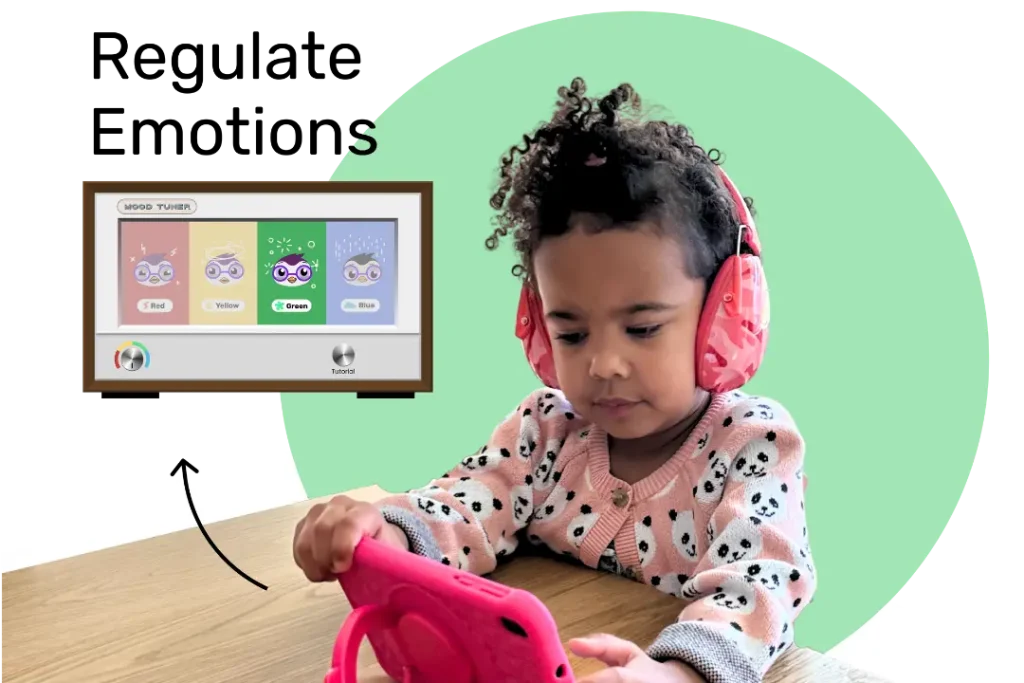
The Mood Tuner app encourages kids to look inwards and identify their feelings, helping them understand what’s going on inside. Once they’ve recognized their emotions, they can choose from a variety of exercises designed to help them self-regulate and find their balance.
In conclusion, managing severe temper tantrums in 2-year-olds requires understanding, patience, and proactive strategies. By using the tips and techniques discussed here, you can help your child navigate their intense emotions and foster a more peaceful, understanding environment at home.
Helpful Resources
FAQ’s About Severe Temper Tantrums in 2 Year-Olds
What causes severe temper tantrums in 2 year-olds?
Severe temper tantrums often stem from a toddler's frustration due to their limited ability to communicate their needs and feelings.

How can I calm my 2 year-old during a severe tantrum?
Stay calm, ensure the environment is safe, and gently redirect your child's attention to another activity if possible.

What are signs that tantrums are more than typical toddler behavior?
Frequent, intense tantrums that last longer than usual and significantly disrupt daily activities may indicate deeper issues.

When should I seek professional help for my child's tantrums?
Consider professional help if tantrums increase in frequency, severity, and impact your child's or family's daily life significantly.

Can visual schedules help manage severe tantrums?
Yes, visual schedules can help by providing structure and predictability, which may reduce frustration and tantrums in toddlers.

Emily is a seasoned blog writer for Goally, leveraging her extensive background in child psychology and special education to provide valuable insights and resources for parents. Her commitment to understanding and addressing the unique needs of these children, combined with her expertise in educational strategies, makes her a credible and empathetic voice for families.