As someone who works closely with kids every day, I’ve seen the incredible impact a well-planned sensory diet can have. I remember a young boy who couldn’t sit still in class. His teacher was frustrated until we introduced some simple sensory activities into his routine. The change was amazing. Now, don’t let the name fool you – a sensory diet isn’t about food at all. It’s a carefully planned schedule of sensory activities that help kids with processing issues stay focused, calm, and organized throughout the day. In this article, I’ll share 10 engaging sensory diet examples you can easily try with your child. From calming deep pressure activities to energizing movement breaks, these ideas will help you create a sensory diet that’s just right for your child’s unique needs.
Table of Contents
1. Deep Pressure Activities
Deep pressure activities are a cornerstone of many sensory diet examples. These activities provide calming, organizing input to the body’s proprioceptive system. I’ve seen kids who were bouncing off the walls suddenly become calm and focused after just a few minutes of deep pressure input.
Here are some deep pressure activities you can try:
- Bear hugs: Give your child firm, full-body hugs
- Weighted blanket: Use during rest times or when your child needs to calm down
- Compression clothing: Tight-fitting undershirts or leggings can provide all-day deep pressure
- Roll-up in a blanket: Like a human burrito, this can be both fun and calming
It’s like giving your child’s nervous system a reset button.
Goally | The Tablet for Neurodiverse Kids

2. Proprioceptive Activities
Proprioceptive activities involve heavy work for the muscles and joints. These activities can be incredibly grounding and organizing for kids with sensory processing challenges. I once worked with a girl who would become dysregulated every afternoon. We introduced some simple proprioceptive activities, and her afternoons became much smoother.
Try these proprioceptive activities:
- Wall push-ups: Great for a quick sensory break
- Carrying heavy items: Like groceries or a backpack filled with books
- Animal walks: Bear crawls, crab walks, or frog jumps
- Pushing or pulling: A wagon, laundry basket, or toy cart
3. Vestibular Activities
Vestibular activities involve movement and balance. They can be either calming or alerting, depending on the type and intensity of the movement. In my practice, incorporating vestibular activities into a sensory diet can significantly improve a child’s ability to focus and regulate their energy levels.
Here are some vestibular activities to consider:
- Swinging: On a playground swing or indoor therapy swing
- Rocking: In a rocking chair or on a rocking horse
- Spinning: In an office chair or on a sit-and-spin toy (always monitor for safety)
- Somersaults or cartwheels: Great for older kids who need more intense input
A study in the Journal of Autism and Developmental Disorders found that vestibular activities can improve postural control and reduce stereotypical behaviors in children with autism spectrum disorders. It’s like giving your child’s balance system a workout, which can have far-reaching effects on their overall sensory processing.

Read more: Deep Pressure Therapy
4. Oral Motor Activities
Oral motor activities can be incredibly calming and organizing for many kids with sensory processing challenges. These activities provide input to the mouth and jaw, which can help with focus and self-regulation. I’ve worked with many kids who benefited from having “chewelry” or other oral motor tools available throughout the day.
Try these oral motor activities:
- Chewing: Offer chewy tubes, “chewelry,” or crunchy snacks
- Blowing: Bubbles, whistles, or pinwheels
- Drinking: Thick liquids through a straw
- Vibration: Electric toothbrushes or vibrating oral tools
5. Tactile Activities
Tactile activities provide input to the sense of touch. For some kids, tactile input can be calming and organizing, while for others it might be alerting or even uncomfortable. It’s important to observe your child’s reactions and adjust accordingly. I remember working with a boy who was initially very tactile defensive, but through gradual exposure to various textures, he became much more comfortable with touch.
Here are some tactile activities to explore:
- Sensory bins: Fill with rice, beans, or sand for tactile exploration
- Finger painting: Use various textures like shaving cream or pudding
- Textured toys: Offer a variety of textures to touch and explore
- Lotion massage: Apply lotion to hands or feet with firm pressure

6. Visual Activities
Visual activities can be either calming or alerting, depending on the type of input. For some kids, certain visual inputs can be overwhelming, while others might seek out intense visual stimulation. In my work, I’ve found that incorporating appropriate visual activities into a sensory diet can help improve focus and reduce visual overstimulation.
Try these visual activities:
- Light play: Use flashlights or light-up toys in a dimly lit room
- Kaleidoscopes or prisms: Offer interesting visual patterns
- I-spy games: Encourage visual scanning and focus
- Bubble tubes or lava lamps: Provide calming visual input
Research published in the Journal of Autism and Developmental Disorders suggests that visual supports can improve task engagement and reduce anxiety in children with sensory processing challenges. It’s like giving your child’s visual system the right amount of input to stay regulated and focused.
7. Auditory Activities
Auditory activities can be particularly helpful for kids who are sensitive to sound or who seek auditory input. I’ve worked with many children who benefited from having background music or white noise to help them focus and stay calm. On the other hand, some kids need periods of quiet to recharge their sensory batteries.
Consider these auditory activities:
- Listening to music: Calming classical or upbeat tunes depending on needs
- White noise: Use a white noise machine or app during focus times
- Sound-making toys: Offer musical instruments or sound effect toys
- Nature sounds: Play recordings of rain, ocean waves, or forest sounds
A study in the Journal of Music Therapy found that background music can improve task performance and reduce anxiety in children with sensory processing disorders. It’s like creating a sound environment that helps your child’s auditory system stay balanced and focused.

Read more: Is Sensory Processing Disorder Autism?
8. Heavy Work Activities
Heavy work activities are a subset of proprioceptive activities that involve pushing, pulling, or carrying heavy objects. These activities can be incredibly grounding and organizing for many kids. I’ve seen children who were constantly in motion suddenly become calm and focused after engaging in some heavy work.
Try these heavy work activities:
- Carrying groceries: Let your child help with heavier bags
- Pushing a loaded cart: At the store or with toys at home
- Gardening: Digging, raking, or pushing a wheelbarrow
- Resistance exercises: Using therapy bands or small weights
9. Fine Motor Activities
Fine motor activities can be a great addition to a sensory diet, especially for kids who need help with focus and attention to detail. These activities provide tactile and proprioceptive input while also working on important skills. I’ve seen many children become calmer and more focused when engaged in absorbing fine motor tasks.
Here are some fine motor activities to consider:
- Playdough or theraputty: Squeezing, rolling, and molding
- Lacing or beading: Threading beads or lacing cards
- Finger painting: Use various textures for added sensory input
- Building with small blocks: Like Legos or magnetic tiles
10. Calming Activities
Calming activities are an essential part of any sensory diet. These activities help kids wind down, self-regulate, and transition between different parts of their day. Having a set of go-to calming activities can be a lifesaver for both kids and parents during stressful times.
Try these calming activities:
- Deep breathing exercises: Practice belly breathing or use a pinwheel
- Yoga poses: Simple poses like child’s pose or tree pose
- Quiet corner: Create a cozy space with soft textures and dim lighting
- Calm-down jars: Shake and watch the glitter settle
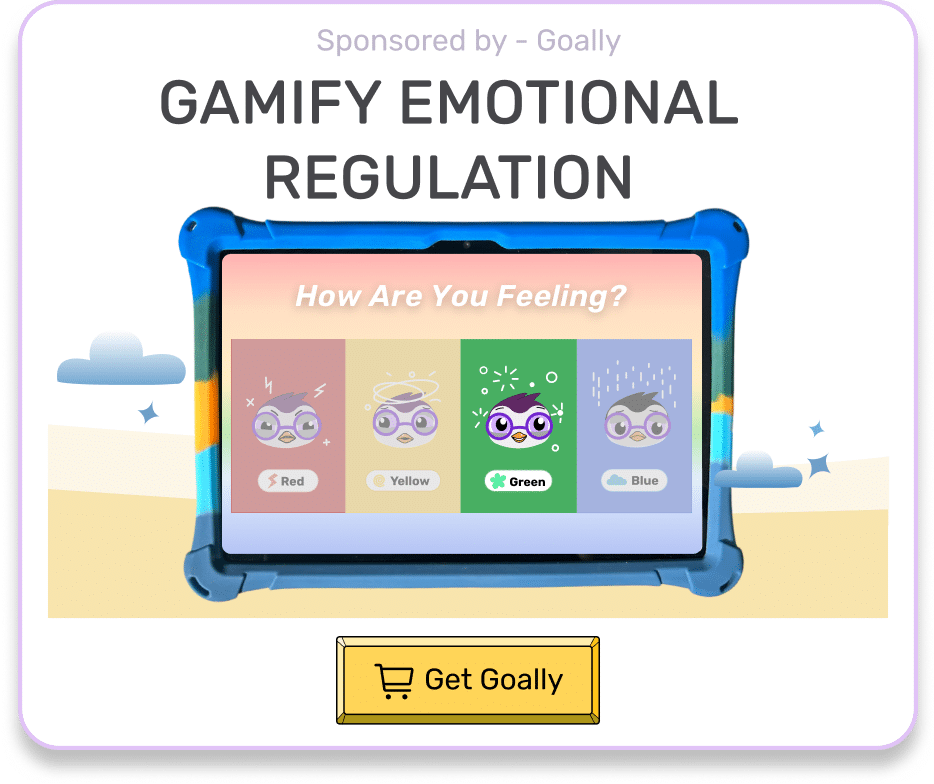
Tired of Emotional Meltdowns?
Goally’s Mood Tuner app has activities for kids with BIG emotions. Teach kids how to tune their mood with Goally. See fewer meltdowns.
The Mood Tuner app encourages kids to look inwards and identify their feelings, helping them understand what’s going on inside. Once they’ve recognized their emotions, they can choose from a 20+ activities designed to help them self-regulate and find their balance.
Creating a sensory diet using these examples can make a world of difference for kids with sensory processing challenges. Remember, every child is unique, so what works for one might not work for another. It’s all about observing your child’s reactions and adjusting accordingly. Start with a few activities and gradually add more as you see what resonates with your child. With patience and consistency, you’ll likely see improvements in your child’s ability to focus, self-regulate, and engage with the world around them. And remember, the journey of creating an effective sensory diet is ongoing – as your child grows and changes, so too will their sensory needs. Stay flexible, stay observant, and most importantly, have fun exploring these sensory experiences with your child!
Helpful Resources
FAQ’s About Sensory Diet Examples
What is a sensory diet?
A sensory diet is a personalized activity plan designed to help individuals with sensory processing issues.

Why are sensory diets important?
Sensory diets help improve focus, reduce anxiety, and support better sensory regulation.

What are some examples of sensory diet activities?
Examples include jumping on a trampoline, playing with textured materials, and using weighted blankets.

How often should a sensory diet be implemented?
A sensory diet should be implemented several times a day, depending on the individual's needs.

Who can benefit from a sensory diet?
Children and adults with sensory processing disorders, autism, ADHD, or anxiety can benefit from a sensory diet.

Emily is a seasoned blog writer for Goally, leveraging her extensive background in child psychology and special education to provide valuable insights and resources for parents. Her commitment to understanding and addressing the unique needs of these children, combined with her expertise in educational strategies, makes her a credible and empathetic voice for families.