As someone who works closely with children, I’ve seen how early detection of autism can make a significant difference. If you’re noticing behaviors in your 3-year-old that seem atypical, it’s important to understand what these signs might indicate. This signs of autism in 3 year old quiz is designed to help you identify potential early signs of autism so you can seek the necessary support and resources. Let’s explore those key signs together to better understand your child’s unique needs.
Table of Contents
Understanding Autism Spectrum Disorder
Autism Spectrum Disorder (ASD) is a complicated developmental disease that impacts how a person communicates, interacts, and behaves. It affects everyone differently, from mild to severe symptoms. Autism is frequently referred to as a “spectrum disorder” due to the wide range of symptoms and severity levels..
Some of the core characteristics of ASD include:
- Social communication and interaction difficulties
- Restricted, repetitive patterns of behavior, interests, or activities
- Hyper- or hypo-sensitive reactions to sensory input
Early Signs of Autism in 3-Year-Olds
While every child is unique, and autism presents differently in each individual, there are some common signs that parents and caregivers can look for in their 3-year-old. These may include:
- Difficulty with communication and social interaction
- Repetitive behaviors or interests
- Unusual responses to sensory stimuli
- Challenges in adapting to changes in routines or environments
It’s critical to understand that if your child displays one or more of these symptoms, it doesn’t necessarily mean they have autism. These behaviors can also be present in neurotypical children. The key is to monitor your child’s development and address any concerns with your pediatrician or a specialist.

Read more: Learning Disability Test for Kids
Why Early Detection Matters
Studies indicate that early intervention can dramatically enhance the prospects for children diagnosed with autism. Recognizing your child’s distinct abilities and hurdles enables you to offer customized assistance that aids in honing crucial skills and promotes self-reliance. This might involve bespoke therapies, targeted educational schemes, and materials intended to optimize their skills and stimulate development.
- Increased social skills and communication
- Decreased repetitive behaviors or sensory sensitivities
- Improved academic performance
- Better overall quality of life
Autism Diagnoses Process for 3-Year-Olds
When you suspect your child may be displaying signs of autism, it’s essential to consult a healthcare professional or an autism specialist. Autism evaluations are typically performed by experts, including pediatricians, psychologists, and speech-language pathologists. The assessments may involve a combination of interviews, observations, and testing.
Preparing for an Autism Evaluation
Before the evaluation, gathering relevant information about your child’s developmental history, behavior, and any concerns you may have is crucial. This includes medical records, teacher or therapist reports, and personal observations. Consider making a list of specific questions or concerns to discuss with the professionals during the evaluation process. Being well-prepared will help ensure a comprehensive assessment and a clearer understanding of your child’s needs.
Supporting Your Child After an Autism Diagnosis
Receiving an autism diagnosis can be an emotional experience for you and your child. It’s essential to understand that this diagnosis does not define your child but rather provides a starting point for accessing the necessary support and resources. Here are steps to take after receiving an autism diagnosis:
- Learn about autism: Educate yourself on the characteristics, challenges, and abilities associated with autism. This will help you better understand and support your child.
- Seek support: Connect with other parents, support groups, and organizations that understand and offer resources tailored to the needs of neurodivergent kids.
- Develop a plan: Work with professionals to create a customized support plan that addresses your child’s unique needs, including therapies, educational programs, and accommodations.
- Stay involved: Actively participate in your child’s therapy and education, communicate openly with professionals, and advocate for your child’s needs.
Empowering Neurodivergent Kids with Goally
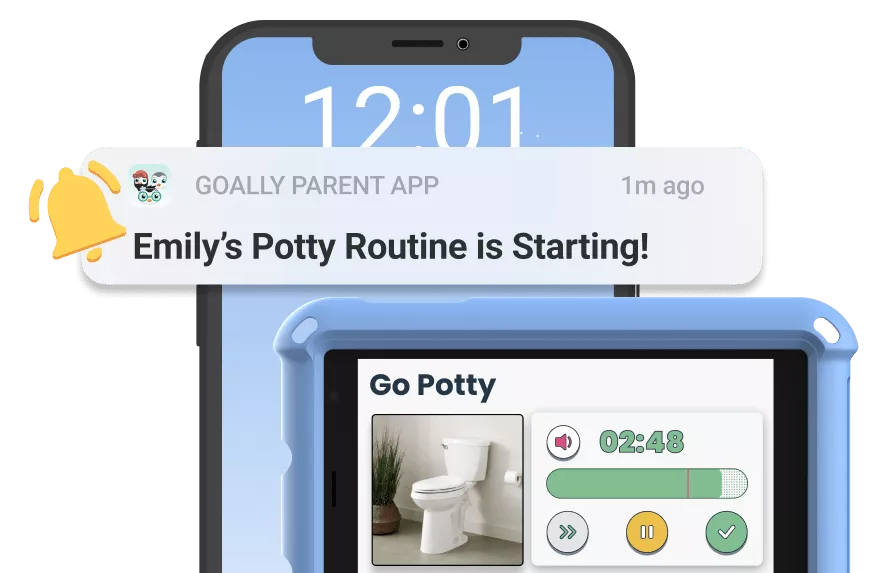
At Goally, we understand the importance of providing resources, tools, and support for parents of neurodivergent children. Our learning tablets and apps are designed to help kids with thinking and learning differences build essential skills, foster independence, and boost confidence. Empowering your child with the right tools and support can help them reach their full potential and thrive uniquely.
Creating a Supportive Environment at Home
While professional support and therapies are crucial for your child’s development, creating a nurturing and supportive environment at home can also significantly impact their well-being. Here are some ways to create an autism-friendly home:
- Establish routines: Consistent daily routines can help your child feel secure and more easily navigate the day-to-day challenges.
- Use visual supports: Visual schedules, labels, and cues can help your child understand expectations and transitions better.
- Create sensory-friendly spaces: Consider your child’s sensory needs by providing spaces that offer a calming, comfortable, and low-stress environment.
- Promote communication: Use strategies like speech therapy, sign language, or communication devices to help your child build communication skills.
- Encourage independence: Set up your home to allow your child to complete tasks independently, such as organizing toys, clothes, or personal items in an accessible and organized manner.
- Be patient and understanding: Recognize that your child may need more time or support to complete tasks, and celebrate even small successes.

Read more: Chore Charts for 3 Year Olds | Free Printables
Supporting Your Child’s Education and Social Development
Education and social development are vital aspects of your child’s life. You can advocate for your kid’s needs and make sure they receive the necessary accommodations and support in their learning environment. Here are ways to support your child’s education and social development:
- Collaborate with educators: Maintain open lines of communication with teachers and school personnel. You can collaborate with them to create and implement an Individualized Education Program (IEP) that matches your child’s needs.
- Encourage social engagement: Provide opportunities for your child to engage with peers within and outside the school setting. This can include playdates, extracurricular activities, or community programs.
- Teach social skills: Use social stories, role-playing, and other strategies to help your child build essential social skills.
- Model appropriate behavior: Demonstrate appropriate social behaviors and communication in your interactions with your child and others.
Understanding and Responding to Challenging Behaviors
Children with autism may sometimes display challenging behaviors, which can overwhelm parents and caregivers. It’s essential to recognize that these behaviors often serve a purpose for the child, such as communication, self-regulation, or coping with sensory overload. Here are some strategies for understanding and responding to challenging behaviors:
- Identify triggers: Observe your child and identify patterns or situations that may lead to challenging behaviors.
- Implement preventive strategies: Once you’ve identified triggers, consider ways to proactively address or minimize them.
- Teach alternative behaviors: Help your child develop appropriate ways to express their needs or emotions, such as using visual supports or communication devices.
- Stay calm and consistent: Respond to challenging behaviors patiently and consistently, and maintain a calm and supportive demeanor.
- Seek professional help: If challenging behaviors persist or significantly impact your child’s well-being, consult a professional for guidance and support.
Goally | Apps To Support Child Development
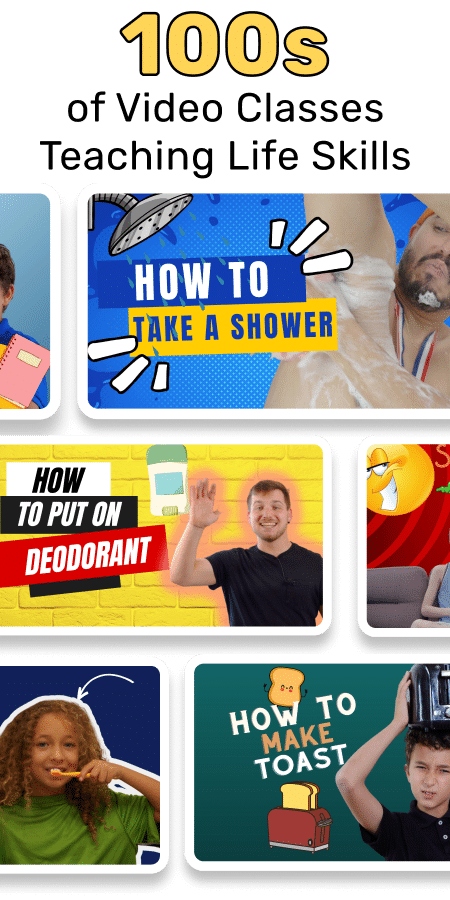
Looking for fun ways to help your child learn life skills? Try Goally! The Goally tablet comes with award-winning learning apps and video classes to help kids develop the skills they need to become independent with FUN & evidence-based practices.
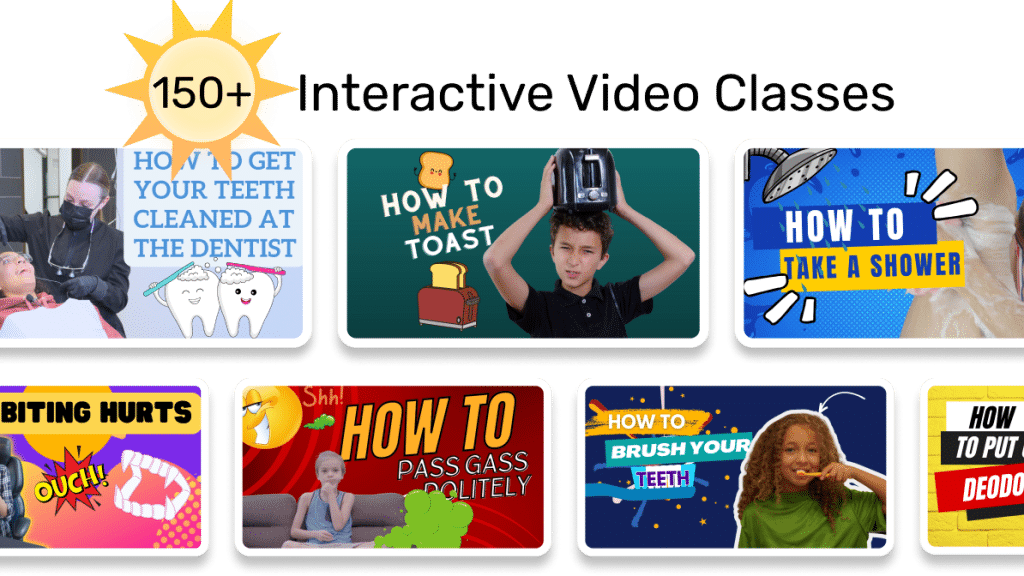
Our apps teach executive function, language, emotional regulation, finger dexterity skills, and more.
As your child develops new skills, you can increase the difficulty level of the tasks in the app to challenge and motivate them even further. This helps your child grow and progress at their own pace, while also keeping them engaged and excited about their development.
Early detection and intervention play a critical role in the lives of kids with autism. By staying informed, seeking professional guidance, and utilizing resources like autism tests for 3-year-olds, you can offer your child the best opportunities for growth and success. In addition, Goally is here to support both you and your neurodivergent child every step of the way. Together, we can help your child thrive and reach their full potential, embracing their unique strengths and abilities.
Helpful Resources
FAQ’s About Signs of Autism in 3 Year Old Quiz
What are common signs of autism in a 3-year-old?
Common signs include delayed speech, lack of eye contact, and repetitive behaviors.

How can a quiz help identify signs of autism in a 3-year-old?
A quiz can highlight specific behaviors and developmental milestones that may indicate autism.

Why is early detection of autism important?
Early detection allows for timely interventions that can improve developmental outcomes.

Where can I find a quiz to check for signs of autism in my 3-year-old?
You can find reliable quizzes on reputable websites like Autism Speaks and the CDC.

What should I do if the quiz suggests my child may have autism?
If the quiz suggests possible autism, consult with a healthcare professional for a comprehensive evaluation.
This post was originally published on 05/08/2023. It was updated on 07/26/2024.

Emily is a seasoned blog writer for Goally, leveraging her extensive background in child psychology and special education to provide valuable insights and resources for parents. Her commitment to understanding and addressing the unique needs of these children, combined with her expertise in educational strategies, makes her a credible and empathetic voice for families.