Have you ever seen a child throw a tantrum and start hitting themselves out of frustration? I’ve worked with plenty of kids who do this, and as a child therapist, I fully understand how confusing and distressing this can be for parents. It’s widespread behavior in toddlers, and kids who experience intense emotions, like those with ADHD or autism, can struggle with it well into elementary school. Children may hit themselves to cope with or relieve emotional pain, such as anger, sadness, or frustration. This may be because they can’t express their needs or feel overwhelmed by their emotions. For example, toddlers who can’t speak yet may hit themselves to tell their parents how they feel. Some children may also hit themselves to seek sensory experiences or because they have a dulled sense of pain.
Table of Contents
Reasons Why Kids Hit Themselves
Kids hit themselves for many reasons, and sometimes, figuring out why your child does this can be as frustrating as the behavior itself. Here are some of the most common reasons:
- To express emotions: Very young kids—especially toddlers—haven’t mastered using words to express how they feel. When they get overwhelmed with anger, sadness, or frustration, they might hit themselves as they’re trying (and failing) to get those emotions out.
- Self-regulation difficulties: Kids with thinking and learning differences, like attention deficit hyperactivity disorder (ADHD) or autism, experience emotions very intensely. And that’s a good thing—it’s their biggest strength! Their feelings are big, powerful, and bright—but it can be hard for them to regulate all of that. If they struggle with self-regulation, they might hit themselves when their emotions become too overwhelming.
- Sensory seeking: Hitting themselves provides kids with physical stimulation, and it’s possible that those sensations can be soothing for some kids. It might even help them focus better if they get overwhelmed easily. For this reason, sensory toys can often be a helpful substitute for the hitting behavior.
- Sensory avoidance: Kids who are extremely sensitive to pain, on the other hand, might hit themselves repeatedly because they aren’t fully experiencing the sensation. This can be common in neurodivergent kids who have a dulled sense of pain.
- Stress and anxiety: It might seem strange, but stress and anxiety can trigger self-directed aggression in children. When a child can’t identify or manage stress, they might express that stress as anger, leading to hitting, scratching, or biting themselves.
- Other reasons children may hit themselves include:
- Feeling lonely, worthless, or empty
- Feeling overstimulated
- Feeling fearful of close relationships
- Feeling overwhelmed by school and family responsibilities
- Wanting to punish themselves for something terrible they believe they’ve done
- Lack of sleep
Goally | The Tablet for Neurodiverse Kids
What Can I Do When My Child Hits?
First, I tell parents that it’s essential to stay calm when their children hit themselves. They’re already overwhelmed, and your reaction can improve or worsen the behavior. If they hit themselves hard enough to cause self-injury, you should gently intervene to protect them. But in most cases, the best thing you can do is sit with your child and offer a calm, supportive presence. Here are a few specific tips:
- Validate, then redirect: Try calmly saying, “It looks like you’re feeling frustrated right now. Hitting yourself hurts. Let’s try squeezing this squishy ball instead.”
- Help them label their emotions: Say, “You seem mad right now. Is this about not getting the blue cup?” Sometimes, teaching kids the names of emotions can help them feel more in control.
- Practice alternative coping skills together: During calmer moments, brainstorm with your child how they can handle challenging feelings differently. Deep breathing, relaxing music, stomping their feet—you can suggest ideas, but letting them choose what works for them will be even more effective.
- Provide sensory tools: Fidget toys, weighted blankets, swings, noise-cancelling headphones—these are all wonderful tools to help overstimulated kids self-regulate and prevent meltdowns that might lead to self-hitting.
- Be patient and compassionate: Your child might take a while to learn new coping skills. Offer praise and encouragement to show them you believe in their ability to manage their feelings.

Read more: Why is My Child Hitting Others?
Is Self-hitting Dangerous?
Most of the time, children’s self-hitting isn’t dangerous and is unlikely to cause injury. Typically, it’s a way for kids to try to gain a sense of control over their powerful emotions. However, suppose your child is repeatedly causing serious injury by hitting their head, face, or elsewhere. In that case, it’s essential to consult with a professional. An underlying medical or mental health issue may require further attention.
Here’s a table showcasing some signs that it’s time to seek additional support:
| Issue | Description |
|---|---|
| Frequency of behavior | Your child hits themselves several times a day |
| Intensity of behavior | Your child causes themselves bruises or cuts |
| Duration of behavior | The behavior continues past toddlerhood |
| Impact on daily life | The behavior is harming social interactions |
What are the Next Steps?
If you’re concerned about your child hitting, here are some options for next steps:
- Talk to your pediatrician: Your child’s doctor can rule out any underlying medical conditions and provide additional support resources.
- Consult with a child therapist: A mental health professional specializing in children can help identify the cause of the behavior and offer strategies to help your child (and you) cope with difficult emotions more effectively.
- Seek support from other parents: Parent support groups or online forums can be a great place to connect with other parents who have experienced similar challenges.
Goally | Apps That Build Behavior & Life Skills for Kids
Want to keep your child motivated while building essential behavior and life skills? Goally’s skill-building tablet is designed to celebrate small wins and help your child grow. Our Behavior Tracker helps you reward your kid for specific skills, like “being kind” or “flushing the toilet.”
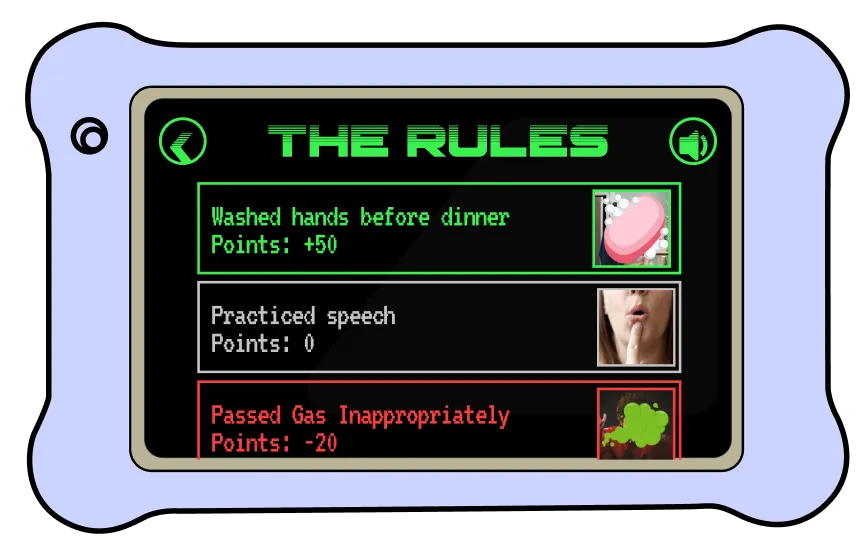
By setting clear expectations and rewarding their efforts, you foster a positive environment for your child to flourish in their behavioral skills journey.
Seeing your child hit can be upsetting, but it’s important to remember that it’s almost always a way of coping with big, overwhelming emotions. With time, patience, and the proper support, your child can learn healthier ways to manage those emotions and gain strong self-control.
Sources
- Help Guide: A comprehensive guide to understanding self-harm, including reasons why children and teens engage in this behavior and ways to get support.
- Child Mind Institute: What to Do (and Not Do) When Your Child Hurts Themselves: Practical strategies and helpful advice for parents on how to react when their child engages in self-harming behaviors.
- Verywell Family: Why Kids Hit Themselves and Strategies to Stop It: Information focused on self-hitting in toddlers and provides age-appropriate strategies.
FAQ’s About Why Do Kids Hit Themselves?
Why does my child hit themselves?
Children may hit themselves to express strong emotions like anger or frustration, to seek sensory input, or to cope with feeling overwhelmed. It's common in toddlers and in children with ADHD or autism.

Is my child hitting themselves on purpose?
Most of the time, self-hitting isn't intended to be harmful. It's often a child's way of trying to manage difficult feelings or sensations they can't quite control.

How can I help my child stop hitting themselves?
Focus on staying calm, validating their emotions, and helping them find alternative ways to cope. Sensory tools, deep breathing exercises, or finding healthy physical outlets can be helpful.

When should I be concerned about my child hitting themselves?
If the hitting is frequent, intense enough to cause injury, or continues long past toddlerhood, it's wise to consult your pediatrician or a child therapist for further support.

What other resources are available for parents of kids who hit themselves?
Websites like HelpGuide.org, the Child Mind Institute, and Verywell Family offer helpful information and strategies for parents of children who engage in self-harming behaviors.

Emily is a seasoned blog writer for Goally, leveraging her extensive background in child psychology and special education to provide valuable insights and resources for parents. Her commitment to understanding and addressing the unique needs of these children, combined with her expertise in educational strategies, makes her a credible and empathetic voice for families.