One of the most rewarding parts of my work with kids is seeing them develop essential life skills that will serve them throughout their lives. Can’t you picture your kids mastering these skills and becoming more independent daily? I know I can. This blog will explore the importance of life skill classes for kids, the various types of skills they can learn, and how these classes can benefit their overall development.
Table of Contents
Understanding Life Skills
Life skills are the abilities and behaviors that enable individuals to effectively manage the demands and challenges of everyday life. Learning life skills is crucial for kids as it helps them become more independent, confident, and capable of handling various situations. These skills range from primary personal care to more complex social and financial skills.
Types of Life Skill Classes
Life skill classes cover various areas, each focusing on different aspects of daily living. Here are some key types of life skill classes for kids:
Personal Care and Hygiene
These classes teach kids how to maintain personal hygiene, such as brushing teeth, washing hands, and bathing. Learning these skills helps kids maintain good health and develop a sense of responsibility for their well-being.
Goally | 100+ Streaming Video Classes
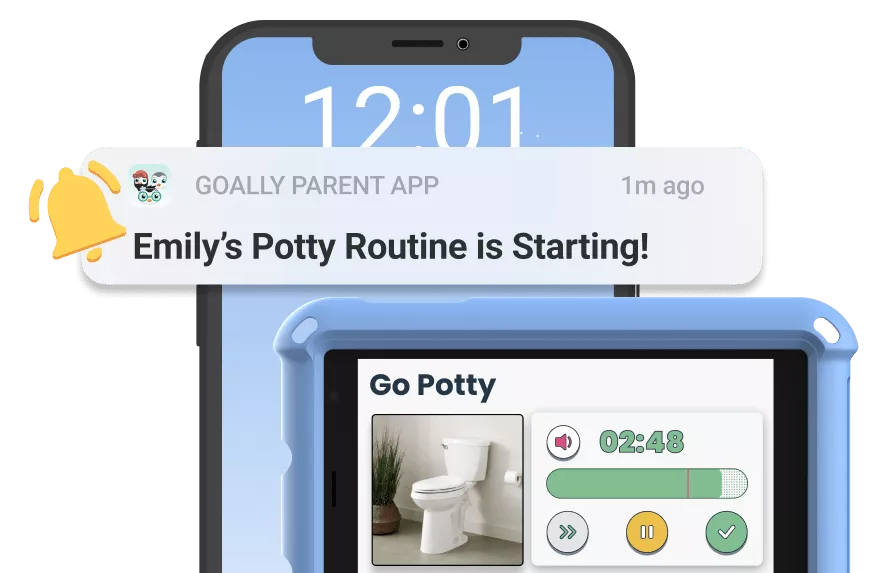
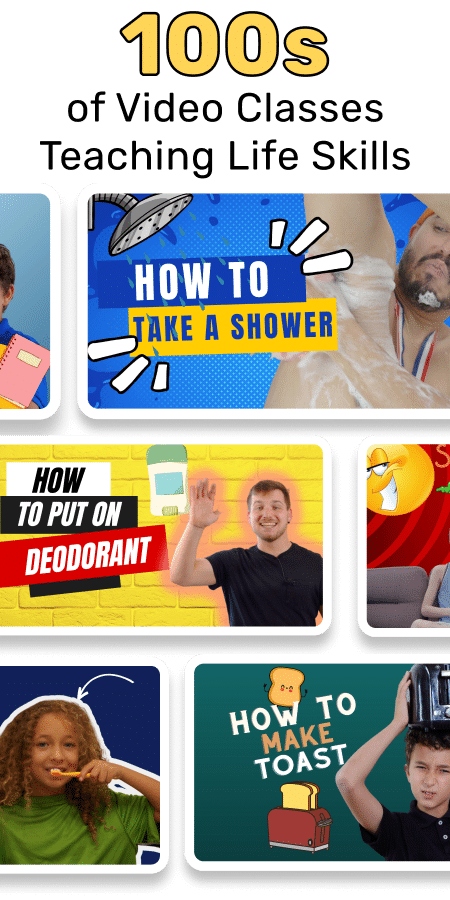
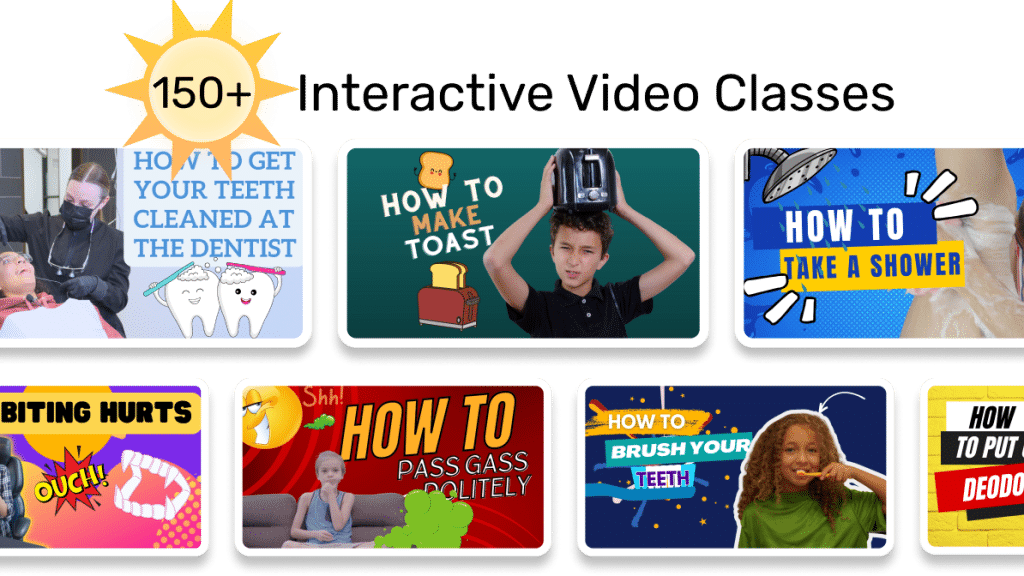
Does your child need some extra guidance on building essential life skills? Goally’s skill building tablet for kids includes a TV app that has the most robust video library of skills training videos for kids. Ranging from content like “How to Brush Your Teeth” to “How to Make Friends at School,” we have dozens of interactive video lessons for kids with thinking and learning differences.
HERE’s a video explaining how to works.
Cooking and Nutrition
Cooking classes are a fun way for kids to learn about nutrition and the importance of a balanced diet. They can practice basic cooking techniques, understand food safety, and develop a love for healthy eating. For example, kids can learn how to make simple snacks and meals, which boosts their confidence and independence.
Money Management
Financial literacy is an essential skill that can be introduced early. Classes on money management teach kids about saving, budgeting, and understanding the value of money. These skills lay the foundation for responsible financial behavior in the future.
Social Skills
Social skills classes help kids develop effective communication, empathy, and conflict resolution. These classes often include role-playing scenarios and group activities that encourage kids to practice interacting with others positively and respectfully.
Time Management and Organization
Learning how to manage time and stay organized is crucial for kids, especially as they juggle school, extracurricular activities, and family responsibilities. Time management classes teach kids how to prioritize tasks, use planners or schedules, and develop habits that improve productivity.
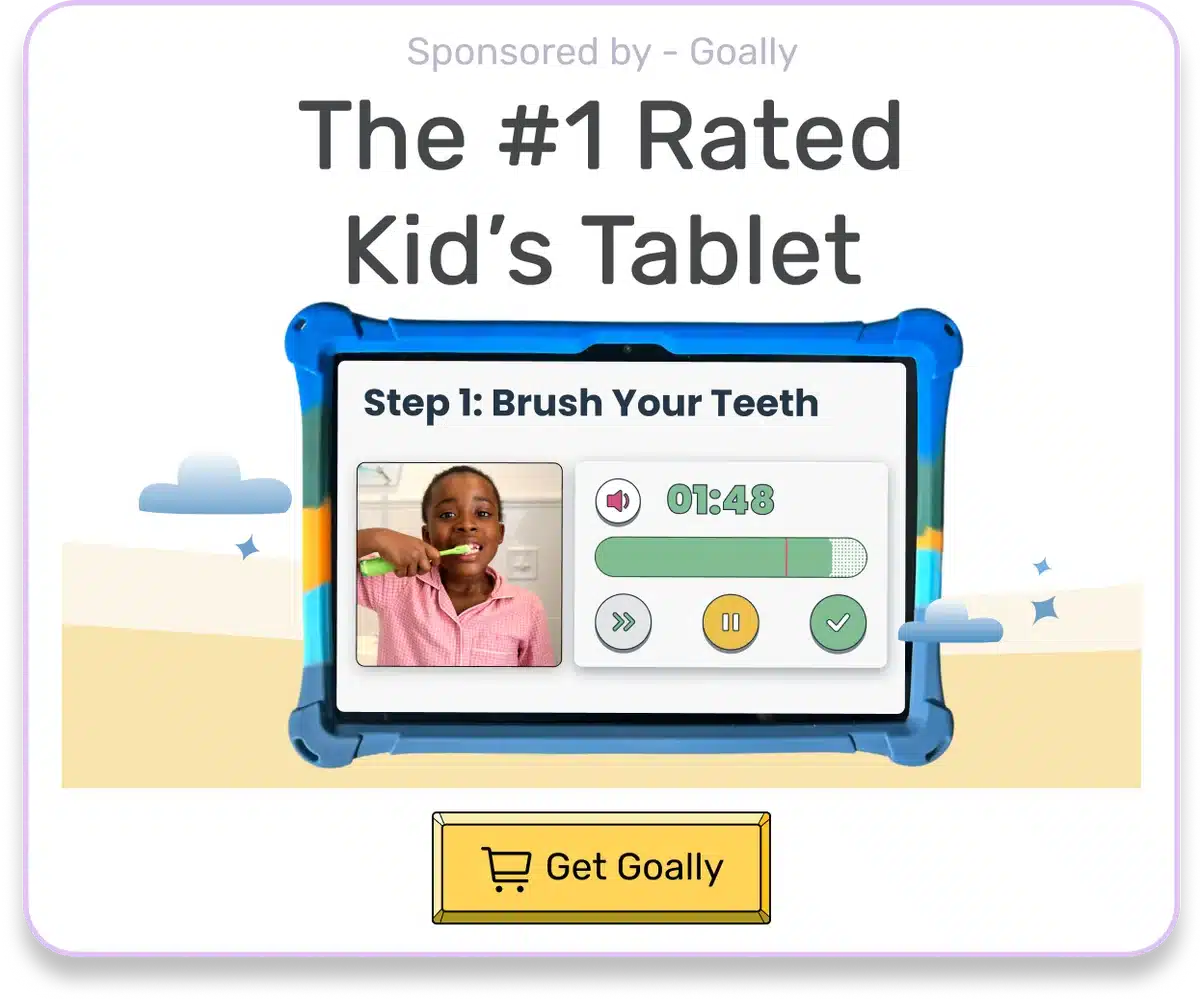
Goally | The Tablet for Neurodiverse Kids
Safety and First Aid
Safety classes educate kids on basic first aid, emergency procedures, and personal safety measures. These classes empower kids to respond confidently in various situations, from minor injuries to emergencies.
Benefits of Life Skill Classes
Enrolling kids in life skill classes offers numerous benefits beyond the skills. Here are some key advantages:
Increased Independence
Life skill classes equip kids with the knowledge and confidence to perform tasks independently. This increased independence boosts their self-esteem and prepares them for future responsibilities.
Improved Social Interactions
Kids can build stronger relationships with their peers and adults by learning and practicing social skills. They become better communicators, empathetic listeners, and effective conflict resolvers.
Enhanced Problem-Solving Abilities
Life skill classes encourage kids to think critically and develop problem-solving strategies. Whether it’s figuring out how to cook a meal or manage their time, these skills are essential for navigating everyday challenges.

Read more: 7 Life Skills Activities for Kids
Better Academic Performance
Skills like time management and organization can directly impact academic success. Kids who prioritize tasks and manage their schedules are likelier to stay on top of their schoolwork and achieve better grades.
Long-Term Benefits
The skills learned in these classes are helpful during childhood and throughout adulthood. They lay the foundation for a responsible, independent, and fulfilling life.
How to Choose the Right Life Skill Classes
Selecting the right life skill classes for your kids involves considering their interests, needs, and developmental stages. Here are some tips to help you make the best choice:
Identify Areas of Interest
Observe your kids and talk to them about their interests. Do they enjoy cooking, or are they fascinated by first aid? Choosing classes that align with their interests will keep them engaged and motivated.
Consider Developmental Needs
Assess your kids’ developmental stage and choose classes appropriate for their age and abilities. Younger kids benefit from basic hygiene classes, while older kids can handle more complex topics like money management.
Look for Qualified Instructors
Ensure that the classes are taught by qualified instructors who have experience working with kids. Look for programs that provide a safe and supportive learning environment.
Check Reviews and Recommendations
Research different programs and read reviews from other parents. Recommendations from trusted sources can help you find reputable classes that positively impact kids.
Real-Life Success Stories
Let’s take a look at some success stories. Consider Emma, an 8-year-old who took cooking and nutrition classes. Her mom said, “Emma now loves helping in the kitchen and preparing healthy snacks. It’s amazing to see her confidence grow.”
Another example is Liam, a 10-year-old who attended money management classes. His dad said, “Liam started saving his allowance and understanding the value of money. It’s a skill that will benefit him for the rest of his life.”
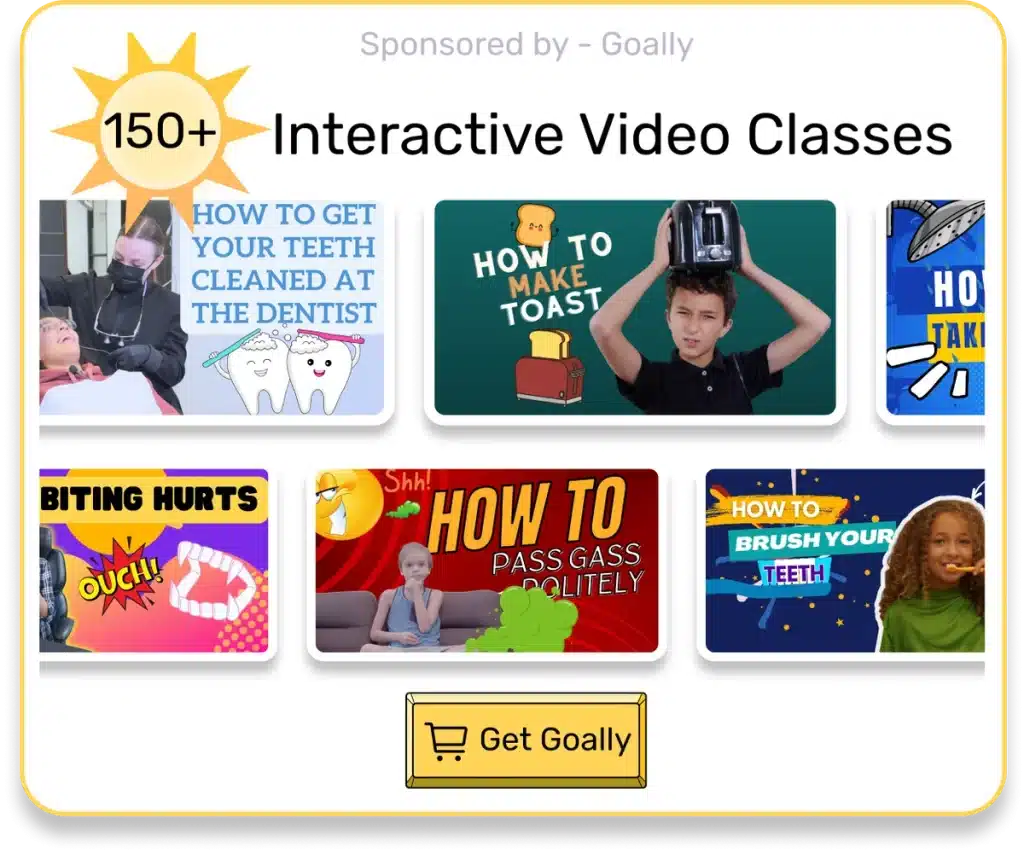
Goally | Best Videos to Teach Life Skills
Give your kid an independent future. Goally has 100+ video classes teaching life skills like “How to Choose a Restaurant,” “How to Interrupt Politely,” and “How to Get Ready for School.”
Goally takes kids on an adventure that includes interactive practice and checkpoints along the way! No web browsers, YouTube, or social media.
Teaching life skills to kids is essential for their growth and independence. By enrolling them in life skill classes, you give them the tools they need to navigate daily challenges, build strong relationships, and succeed in various aspects of life. Whether it’s learning how to cook, manage money, or develop social skills, these classes offer invaluable lessons that will benefit your kids for years to come.
Helpful Resources
FAQ’s About Life Skill Classes
What are life skill classes for kids?
Life skill classes teach essential everyday skills like cooking, money management, personal care, and social interaction to help kids become more independent.

Why are life skill classes important?
They equip kids with practical skills for daily living, boosting their confidence, independence, and ability to handle various situations.

At what age should kids start life skill classes?
Kids can start learning basic life skills as early as preschool, with more complex skills introduced as they grow older.

What types of skills are taught in life skill classes?
Classes cover a range of skills, including personal hygiene, cooking, financial literacy, time management, and social skills.

How do life skill classes benefit kids in the long term?
These classes prepare kids for future responsibilities, improve their problem-solving abilities, and enhance their social interactions, contributing to overall success in life.

Emily is a seasoned blog writer for Goally, leveraging her extensive background in child psychology and special education to provide valuable insights and resources for parents. Her commitment to understanding and addressing the unique needs of these children, combined with her expertise in educational strategies, makes her a credible and empathetic voice for families.