Life skills are everyday habits that help kids grow into independent, confident, and responsible adults. Simple tasks like setting the table, cleaning up, or managing time with a visual schedule can become powerful learning opportunities. These practical activities teach children how to solve problems, follow routines, and take responsibility—skills they’ll use for a lifetime. With the right tools and a little consistency, teaching life skills can be both fun and part of your daily routine.
Key Points:
- Life skills build independence and responsibility
- Everyday tasks like cooking and cleaning become learning moments
- Visual schedules help kids manage time and routines
- Gardening promotes patience, teamwork, and problem-solving
- Rewards can motivate and reinforce positive behavior
Table of Contents
1. Cooking Together
Cooking is one of the most engaging and rewarding life skills activities for kids. It teaches children how to follow instructions, measure ingredients, and develop patience as they wait for their food to cook. But it’s not just about the cooking itself—kids also learn about food safety, cleanliness, and how to manage their time in the kitchen.
For younger kids, start with simple tasks like stirring ingredients or measuring flour. Older kids can take on more responsibility, like following a recipe or even preparing an entire meal. The best part? You’re sharing quality time together while teaching valuable life lessons.
Read more: Autism Life Skills Worksheets
2. Setting the Table
Teaching your child how to set the table is a great way to instill routine and responsibility. This activity helps with memory skills as they learn where each item belongs. It also teaches them the value of contributing to family life, making them feel included and helpful.
To start, walk your child through the process—where the plates, utensils, and glasses go. Over time, they’ll be able to do this task on their own, which builds confidence and promotes independence. Plus, it’s a great opportunity to teach about manners and dining etiquette.
3. Managing Money
Understanding how to manage money is a crucial life skill that kids can start learning at an early age. Whether it’s through saving, budgeting, or understanding the value of different coins and bills, kids can gain financial literacy that will benefit them throughout their lives.
You can make it fun by giving them an allowance and helping them track their spending. For younger kids, try using jars labeled “spend,” “save,” and “share” to introduce the concepts of saving and budgeting in a tangible way. Older kids can be taught about managing a small budget for their own expenses, like school supplies or snacks.
4. Cleaning Up After Themselves
Teaching kids to clean up after themselves is a critical part of fostering independence and responsibility. Whether it’s picking up toys after playtime or helping to tidy their room, this simple activity encourages them to take ownership of their space.
Make it fun by turning it into a game—set a timer and challenge them to see how fast they can clean up. As they get older, you can introduce more detailed tasks like organizing their closet or vacuuming the floor. The key is to instill the habit early on, so they carry it with them as they grow.
5. Gardening
Gardening is a hands-on way to teach kids about responsibility, patience, and the importance of nurturing living things. Plus, it’s a wonderful opportunity to spend time outdoors and connect with nature. Kids can help plant seeds, water the garden, and watch their plants grow.
This activity also teaches problem-solving, as children learn how to deal with challenges like pests or lack of sunlight. Gardening can be a fun family activity where everyone takes part in planting and maintaining the garden, making it a shared responsibility and teaching kids about teamwork.
6. Doing Laundry
Introducing kids to laundry is a great way to build self-sufficiency and responsibility early on. While it’s a simple task, it teaches valuable lessons about organization, cleanliness, and taking care of personal belongings. Children can start by helping sort colors or match socks, then gradually take on more—like loading the washer, adding detergent, and folding clothes. Over time, doing laundry becomes part of their routine and helps them appreciate the effort behind maintaining a clean, organized space.
Read more: Life Skill Classes for Kids
7. Time Management with a Visual Schedule
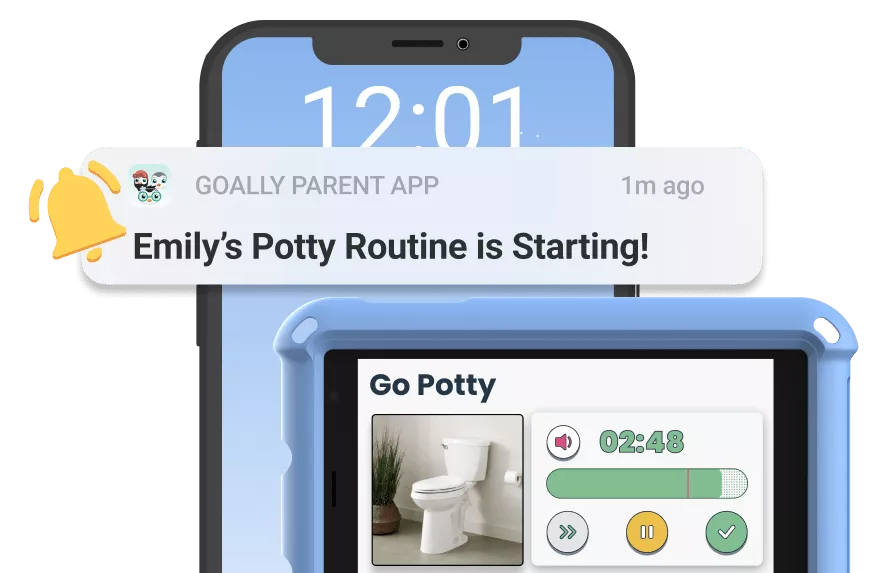
Time management is a crucial life skill that kids will use throughout their lives. One of the best ways to introduce this concept to young children is by using a visual schedule. A visual schedule helps kids understand their daily routine and manage transitions between activities.
For neurodivergent kids, a visual schedule can be especially helpful in reducing anxiety around changes in routine. You can create a simple schedule using pictures or symbols to represent different parts of the day. Over time, your child will become more comfortable managing their time and transitions on their own.
Goally | 100+ Streaming Video Classes
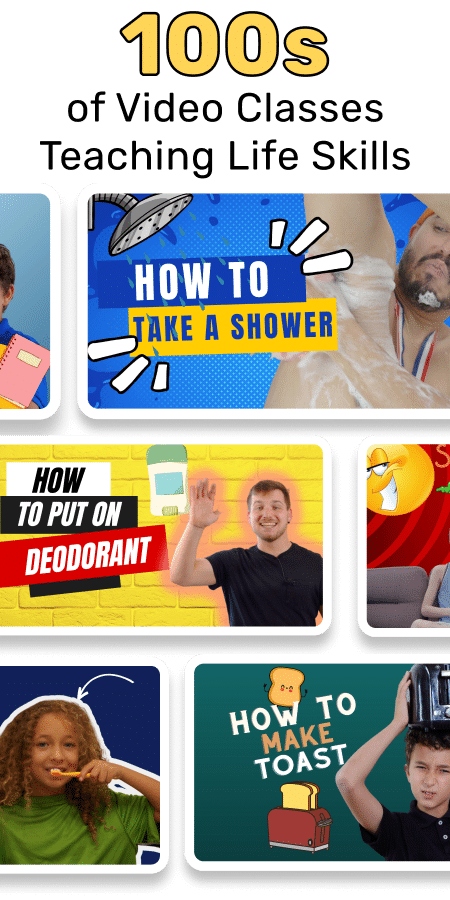
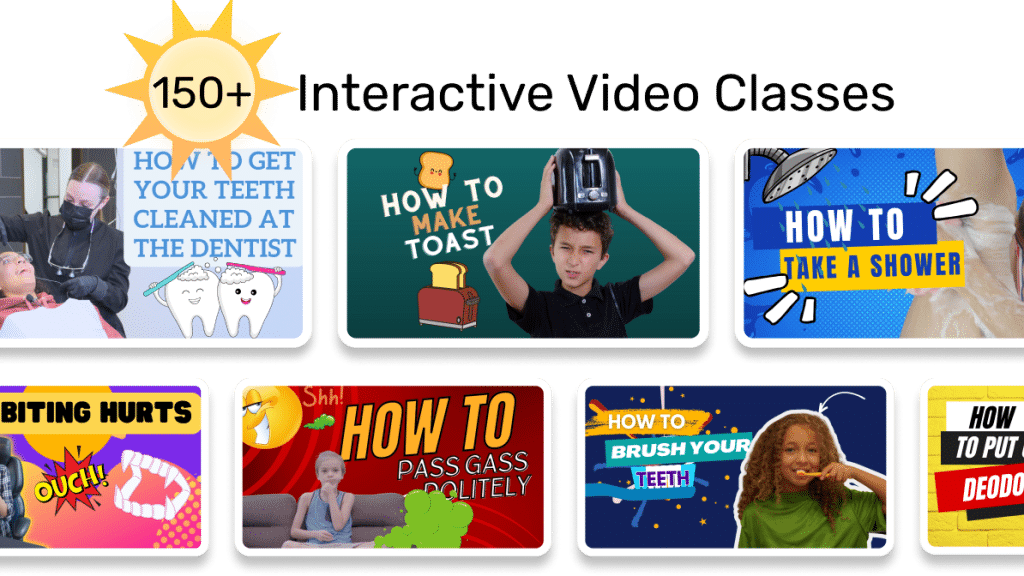
Does your child need some extra guidance on building essential life skills? Goally’s skill building tablet for kids includes a TV app that has the most robust video library of skills training videos for kids. Ranging from content like “How to Brush Your Teeth” to “How to Make Friends at School,” we have dozens of interactive video lessons for kids with thinking and learning differences.
HERE’s a video explaining how to works.
Teaching life skills to kids can be enjoyable and meaningful when built into everyday activities. Whether it’s cooking a meal or helping in the garden, these moments encourage independence and teach practical habits your child will carry into adulthood.
Resources:
FAQs About Life Skills for Kids
What are life skills activities for kids?
Life skills activities are practical tasks designed to teach children essential skills they'll need throughout their lives, like cooking, time management, and personal hygiene.

How can visual schedules aid in teaching life skills to kids?
Visual schedules use pictures and symbols to represent daily tasks or steps in an activity, helping children understand, anticipate, and complete tasks more independently.

Why are emotional regulation apps important for children's development?
Emotional regulation apps help children recognize, express, and manage their feelings, fostering better emotional intelligence and interpersonal relationships.

How do rewards enhance the learning experience for kids?
Rewards provide positive reinforcement, motivating children to engage in and repeat beneficial behaviors, making learning more effective and enjoyable.

Can life skills activities be incorporated into daily routines?
Absolutely! Everyday tasks like cooking, cleaning, or even shopping can be transformed into valuable learning experiences for children.

Hennah is an experienced writer and researcher, helping children with autism, ADHD, and other neurodivergent conditions. As a blog contributor for Goally, she combines her deep understanding of neurodiversity with practical advice, offering valuable insights to parents and educators.