An ASD calendar helps kids with autism structure their day and reduce anxiety by providing clear, visual cues for daily activities. It improves predictability and fosters independence, making routines smoother for both kids and parents.
Key Takeaways:
- Visual schedules reduce anxiety and improve behavior.
- Incorporate sensory-friendly activities and downtime.
- Consistency and simplicity are key to effectiveness.
- Involve your child in creating the calendar.
Does an ASD calendar help children with autism? Yes! An ASD calendar provides visual structure for kids with autism, helping them anticipate daily activities, reducing anxiety, and improving emotional regulation. It allows them to follow routines more independently and with less stress.
Table of Contents
1. Understand Your Child’s Needs
Before you start creating an ASD calendar, it’s crucial to understand your child’s specific needs. Each child on the spectrum is unique, and what works for one might not work for another. Pay attention to your child’s daily routine, preferences, and triggers. This understanding will help you design a calendar that is both effective and comforting.
For example, if your child struggles with transitions, you might need to include visual cues or timers to help them prepare for changes. On the other hand, if they thrive on routine, maintaining consistent daily activities will be beneficial. Observing and noting these details will be your first step towards creating a personalized calendar.
2. Use Visual Aids
Visual aids are a game-changer when it comes to ASD calendars. Many kids with ASD respond better to visual information than verbal instructions. You can use pictures, icons, or even color-coded sections to represent different activities. This makes the calendar more engaging and easier for your child to understand.
For instance, you might use a blue icon for bath time, a red one for meal times, and a green one for playtime. Tools like the Picture Exchange Communication System (PECS) can be particularly useful in creating these visual aids. Remember, the goal is to make the calendar as clear and appealing as possible.

Read More: 5 Best ADHD Planners for Kids
3. Incorporate Sensory-Friendly Activities
Many kids with ASD have sensory processing issues, so it’s important to include sensory-friendly activities in their daily schedule. These activities can help them self-regulate and stay calm. Examples include sensory bins, quiet reading time, or outdoor play.
Incorporate these activities at times when your child is most likely to need a sensory break. For instance, after school or during transitions between structured activities. Providing these sensory-friendly options can make a significant difference in your child’s ability to handle their day.
4. Keep it Simple and Consistent
Simplicity and consistency are key when it comes to ASD calendars. A cluttered or overly complicated calendar can be overwhelming and counterproductive. Stick to a simple layout that includes only the most essential information.
Consistency is equally important. Try to keep the same routine every day. Predictability helps kids with ASD feel more secure and less anxious. If there are changes in the schedule, introduce them gradually and use visual aids to explain the change.
5. Include Breaks and Downtime
Kids with ASD often need more downtime to process their experiences and recharge. Make sure to schedule regular breaks and downtime into your ASD calendar. This could be free play, quiet time, or any activity your child finds relaxing.
These breaks are not just filler time; they are essential for helping your child manage their energy levels and stay engaged with their routine. Balancing structured activities with enough downtime can lead to a more harmonious day.
6. Use Technology to Your Advantage
There are many digital tools and apps designed to help create and manage ASD calendars. Apps Goally’s CoPilot can be customized to fit your child’s needs and are particularly useful if your child prefers interacting with digital media.
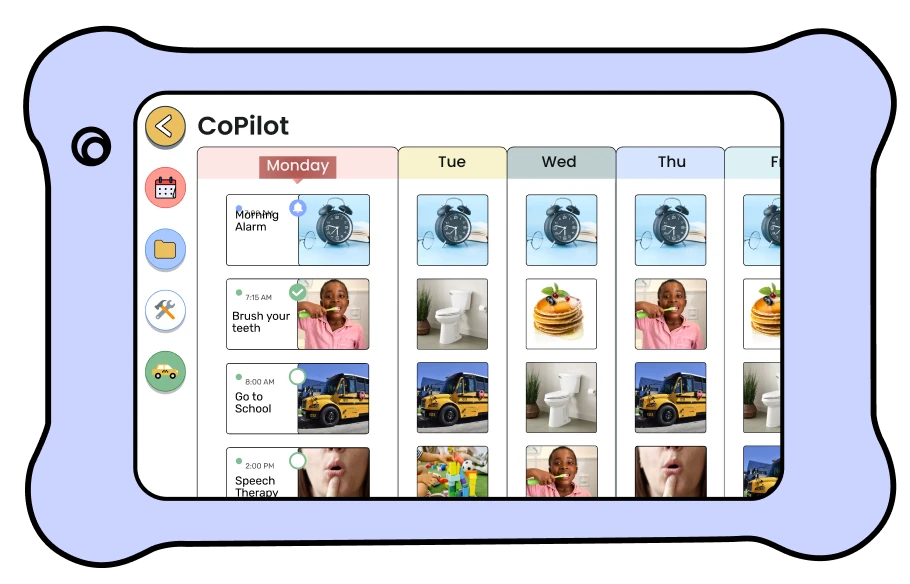
These tools often come with features like timers, alarms, and visual prompts that can make sticking to the schedule easier. Plus, they can be a fun and interactive way for your child to engage with their daily routine.
7. Get Your Child Involved
Whenever possible, involve your child in the creation and management of their ASD calendar. This not only gives them a sense of control but also helps them understand and anticipate their schedule. You can make this a fun activity by letting them choose pictures or stickers to represent different activities.
Participation in this process can increase your child’s buy-in and make them more likely to stick to the schedule. Plus, it’s a great way to spend quality time together while working on something that will benefit them daily.
8. Review and Adjust Regularly
Your child’s needs and preferences may change over time, so it’s important to review and adjust the ASD calendar regularly. What works today might not work in a few months. Be flexible and open to making changes as needed.
Regularly checking in with your child about their feelings towards the schedule can provide valuable insights. Adjusting the calendar based on their feedback ensures it remains an effective tool for managing their day-to-day activities.

Read More: How to Increase Motivation with ADHD
9. Use Positive Reinforcement
Positive reinforcement can be a powerful motivator for kids with ASD. Incorporate rewards and incentives into the calendar to encourage adherence to the schedule. This could be anything from stickers and small treats to extra playtime or special outings.
Using positive reinforcement helps build a positive association with the calendar and can make following the schedule a more enjoyable experience for your child. Make sure the rewards are meaningful and appropriate for their age and interests.
10. Communicate with Caregivers and Teachers
Consistency between home and school is crucial for kids with ASD. Make sure to communicate the schedule with caregivers, teachers, and other relevant individuals. This helps ensure everyone is on the same page and can provide the necessary support.
Sharing the ASD calendar with your child’s support network can also provide insights into what works best and what might need adjustment. Collaboration and communication are key components in creating a successful and supportive environment for your child.
Goally | Visual Scheduler for Autism
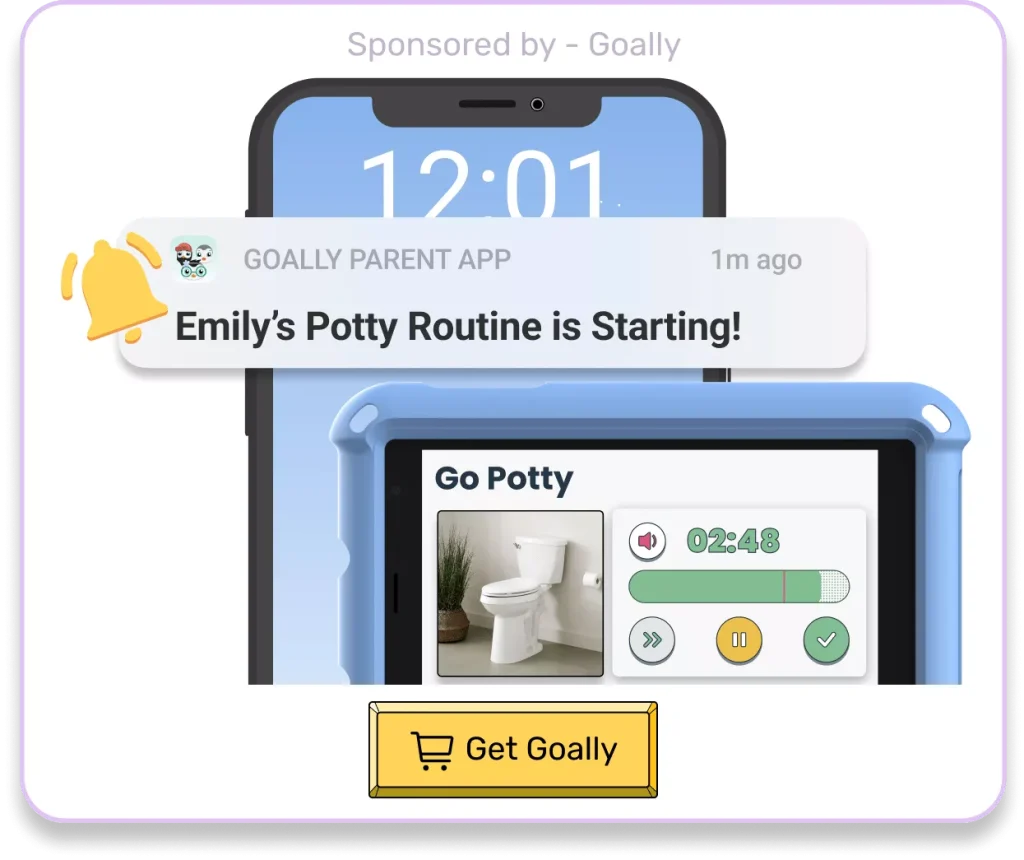
Does your child struggle with getting ready in the morning independently? Goally’s routine app on the best tablet for kids breaks down large tasks into small, achievable steps for autistic kids. Create custom routines with your own videos & pictures for every step.
Creating an effective ASD calendar takes some trial and error, but the benefits are well worth the effort. By providing a clear, visual roadmap for daily life, you can help your neurodivergent child feel more secure, independent, and in control. And as a parent, you’ll likely feel more organized and less stressed, too. Remember, the goal is progress, not perfection. With consistency, flexibility, and a whole lot of love, you can create an ASD calendar that works for your unique child and family.
Resources:
FAQs About Creating an ASD Calendar
What is an ASD calendar?
An ASD calendar is a visual scheduling tool designed to help children with Autism Spectrum Disorder (ASD) understand, manage, and anticipate daily routines and activities.
How does an ASD calendar benefit children with autism?
The ASD calendar assists in enhancing children's understanding of time, fostering independence, and reducing anxiety by providing clear expectations of daily routines.
What should I include in my child's ASD calendar?
The ASD calendar should contain daily routines, tasks, activities, and special events, all with simple visuals or symbols.
Can an ASD calendar improve my child's emotional regulation?
By providing structure and predictability, an ASD calendar can help children better manage their emotions and responses to changes or challenges.
Where can I find an ASD calendar for my child?
ASD calendars are available online on various special education resource sites and apps or can be custom-made to suit your child's unique needs.
This post was originally published on 05/16/2023. It was updated on 09/26/2024.

Emily is a seasoned blog writer for Goally, leveraging her extensive background in child psychology and special education to provide valuable insights and resources for parents. Her commitment to understanding and addressing the unique needs of these children, combined with her expertise in educational strategies, makes her a credible and empathetic voice for families.