As someone who works closely with children, I’ve seen firsthand that ADHD isn’t just about hyperactivity and impulsivity. There are numerous less obvious symptoms that many parents might not recognize. In this blog post, I aim to share some of these subtler signs to help you better understand and support your child. Recognizing these indicators can make a significant difference in providing the right kind of care and resources.
Table of Contents
1. Difficulty with Time Management
Firstly, let’s talk about time management. Neurodivergent kids may struggle with estimating how long tasks will take, prioritizing activities, or sticking to a schedule. For instance, they might:
- Consistently underestimate the time needed for homework
- Struggle to transition between activities
- Frequently arrive late to appointments or events
Moreover, you can help your child improve their time management skills by:
- Using visual schedules or timers
- Breaking tasks into smaller steps
- Implementing routines and consistency
2. Emotional Sensitivity
Another non-obvious symptom of ADHD is emotional sensitivity. Kids with thinking and learning differences may experience intense reactions to criticism or perceived failure. They might also have difficulty regulating emotions, leading to mood swings. Furthermore, they can become overwhelmed in response to sensory input, such as loud noises or bright lights.
To support your child’s emotional well-being, consider:
- Offering reassurance and validation
- Teaching coping strategies, like deep breathing or mindfulness
- Creating a calm and structured environment

Read more: What Looks Like ADHD But Isn't?
3. Forgetfulness
Forgetfulness is a common, yet often overlooked, symptom of ADHD. Kids with this condition might:
- Misplace items frequently, like keys or homework
- Struggle to remember instructions or details from conversations
- Forget to complete tasks, even when reminded
To help your child combat forgetfulness, try:
- Establishing routines and checklists
- Using visual reminders, like sticky notes or whiteboards
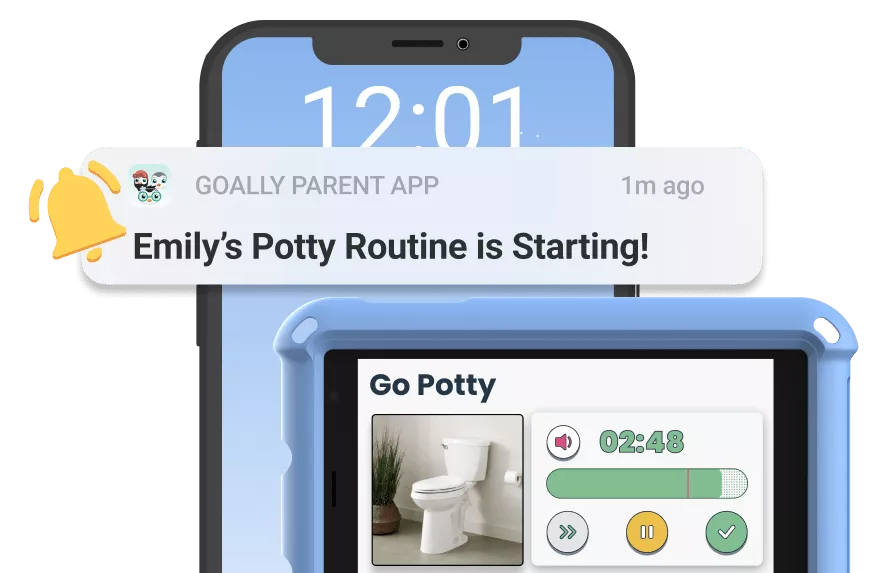
- Encouraging them to use tools like Goally to stay organized
4. Difficulty with Organization
Organizational challenges are prevalent among neurodivergent kids. They may have trouble:
- Keeping their belongings tidy and organized
- Planning and executing multi-step tasks
- Breaking down large projects into manageable steps
To support your child’s organizational skills, consider:
- Implementing color-coded systems for belongings
- Providing clear and concise instructions
- Encouraging the use of tools like Goally to help with task management

Read more: Does ADHD Affect Sleep?
5. Daydreaming and Inattention
Hyperactivity is a well-known symptom of ADHD, but inattention is equally significant. Kids with ADHD often daydream or lose focus during conversations. They may struggle to stay on task, even during activities they enjoy, and frequently miss important details or instructions due to inattention.
To help your child improve focus and attention, try:
- Breaking tasks into smaller, manageable steps
- Offering regular breaks and opportunities for movement
- Using tools like Goally to provide structure and support
6. Trouble with Sleep
Sleep disturbances are another non-obvious symptom of ADHD. Neurodivergent kids might:
- Have difficulty falling asleep or staying asleep
- Experience restless or interrupted sleep
- Struggle with daytime sleepiness or fatigue
To support healthy sleep habits, consider:
- Establishing a consistent bedtime routine
- Creating a calm and comfortable sleep environment
- Limiting screen time before bed
7. Social Challenges
Lastly, social challenges can be a subtle indicator of ADHD. Kids with thinking and learning differences may:
- Misinterpret social cues or struggle with nonverbal communication
- Have difficulty maintaining friendships or navigating social situations
- Interrupt others or struggle with turn-taking in conversations
To help your child develop social skills, try:
- Role-playing social scenarios and practicing conversation skills
- Encouraging participation in structured group activities
- Offering guidance and support in navigating social situations
Try Goally For Your Child With ADHD
Goally helps kids with ADHD stay focused and build skills. Unlike a Kindle or an iPad that kids get easily distracted on, Goally has no YouTube, no social media, no web browser, and especially no ads.
Goally uses game play as a points-based motivator for your kiddo with ADHD and helps them learn emotional regulation skills. It’s simple to set up and has an expert-informed design.

By recognizing these non-obvious symptoms of ADHD, you can better understand and support your neurodivergent child. With the help of tools like Goally, you can work together to develop strategies and interventions tailored to their unique needs. Knowledge is power, and understanding the full spectrum of ADHD symptoms is an essential step in helping your child thrive.
FAQ’s About Non Obvious Symptoms of ADHD
What are some lesser-known signs of ADHD in children?
Daydreaming frequently and being easily distracted are lesser-known signs of ADHD in children.

Can ADHD affect a child's sleep patterns?
Yes, ADHD can cause difficulties falling asleep and staying asleep.

Is fidgeting a symptom of ADHD?
Yes, constant fidgeting and an inability to stay still can be symptoms of ADHD.

Can ADHD impact a child's social interactions?
Yes, children with ADHD may struggle with social cues and maintaining friendships.

Are emotional outbursts a sign of ADHD?
Yes, children with ADHD may experience frequent emotional outbursts and mood swings.
This post was originally published on 05/17/2023. It was updated on 08/05/2024.

Emily is a seasoned blog writer for Goally, leveraging her extensive background in child psychology and special education to provide valuable insights and resources for parents. Her commitment to understanding and addressing the unique needs of these children, combined with her expertise in educational strategies, makes her a credible and empathetic voice for families.