The simple act of hugging can be a powerful tool for connection and emotional expression. As a child therapist, I’ve seen how learning to hug properly can boost a child’s social skills and emotional intelligence. Hugging is more than just wrapping your arms around someone – it’s about understanding personal boundaries, reading social cues, and expressing affection appropriately. In this guide, I’ll walk you through the steps to teach your kids how to hug, ensuring they develop this important social skill in a way that’s comfortable for them and respectful of others. We’ll cover everything from explaining the concept of hugging to practicing different types of hugs and understanding when it’s appropriate to hug. Let’s start this journey to help your children master the art of the perfect hug!
Table of Contents
1. Explain What a Hug Is
The first step in teaching kids how to hug is helping them understand what a hug actually is. I often start by describing a hug as a special way of showing someone you care about them using your arms. It’s like giving someone a gentle squeeze to say “I like you” or “I’m happy to see you” without using words. This explanation helps kids grasp the emotional significance behind the physical action.
To make this concept more tangible, I sometimes use visual aids like stuffed animals or pictures. We might look at images of people hugging in different situations – families reuniting, friends celebrating, or even animals cuddling. This visual representation helps kids connect the physical act with the emotions it conveys. Remember, the goal is to help them see hugging as a positive, comforting gesture, not something forced or uncomfortable.
2. Discuss Consent and Personal Boundaries
Before we dive into the mechanics of hugging, it’s crucial to teach kids about consent and personal boundaries. I always emphasize that while hugs are nice, not everyone wants a hug all the time, and that’s okay. We talk about asking for permission before hugging someone and respecting their answer if they say no. This conversation helps lay the groundwork for understanding bodily autonomy and respect for others’ personal space.
To reinforce this concept, we might role-play scenarios where kids practice asking, “Can I give you a hug?” and responding to both yes and no answers. I also introduce the idea of alternative greetings for when hugging isn’t appropriate or desired, such as high-fives, fist bumps, or simply saying hello. This teaches kids that there are many ways to show affection and friendliness, and hugging is just one option among many.
3. Demonstrate Proper Hugging Technique
Now that we’ve covered the ‘why’ of hugging, it’s time to move on to the ‘how’. I start by demonstrating the basic mechanics of a hug using a large stuffed animal or doll. We talk about wrapping our arms around the other person, giving a gentle squeeze, and then letting go. It’s important to emphasize the ‘gentle’ part – we don’t want bear hugs that might make others uncomfortable!
Next, we practice different types of hugs. Here’s a simple table outlining some common hug types that are appropriate for kids to learn:
| Hug Type | Description | When to Use |
|---|---|---|
| Quick Side Hug | A brief, one-armed hug from the side | Casual greetings with friends or family |
| Full Frontal Hug | Both arms wrapped around, chest-to-chest | Close family members or best friends |
| Pat-Pat Hug | A hug with gentle pats on the back | Comforting someone who’s upset |
| Group Hug | Multiple people hugging at once | Celebrations or team bonding |
4. Practice Hugging in a Safe Environment
Once kids understand the basics of hugging, it’s time for some hands-on practice. I always recommend starting this practice at home with family members or trusted friends. This provides a safe, comfortable environment for kids to experiment with different types of hugs and work on their technique. You might set up a ‘hugging practice session’ where family members take turns giving and receiving hugs.
During these practice sessions, encourage kids to pay attention to how tight they’re hugging and for how long. A good rule of thumb is to hug for about three seconds, or until the other person starts to let go. This helps prevent hugs from becoming awkward or uncomfortable. Also, remind kids to be mindful of the other person’s reaction. Are they hugging back? Do they seem comfortable? These cues can help kids understand when their hug is well-received.

Read more: When is It Okay to Hug?
5. Teach When and Who to Hug
Understanding when it’s appropriate to hug is just as important as knowing how to hug. I like to use a traffic light system to help kids understand different hugging situations. Green light situations are times when hugging is usually okay, like with close family members or when saying goodbye to a good friend. Yellow light situations require asking first, like with a classmate or a teacher. Red light situations mean no hugging, like with strangers or when someone has said they don’t want a hug.
It’s also important to discuss cultural differences in hugging. In some cultures, hugging is a common greeting, while in others, it’s reserved for close relationships. If you’re traveling or meeting people from different backgrounds, it’s always best to follow their lead. This conversation can be a great opportunity to teach kids about respecting diverse cultural norms and being sensitive to others’ comfort levels.
6. Address Special Considerations
When teaching kids how to hug, it’s crucial to consider individual needs and circumstances. For kids with sensory sensitivities or those on the autism spectrum, hugging might feel overwhelming or uncomfortable. In these cases, we might focus on alternative ways of showing affection that feel more comfortable, like a hand squeeze or a special wave. The key is to find a way for the child to express and receive affection that feels right for them.
For children who have experienced trauma or have anxiety about physical touch, the process of learning to hug might need to be approached with extra care and patience. In these situations, I often recommend working closely with a child psychologist or occupational therapist who can provide specialized guidance. Remember, the goal is to help children feel comfortable and safe in their interactions with others, not to force them into situations that cause distress.
Goally | 100+ Streaming Video Classes
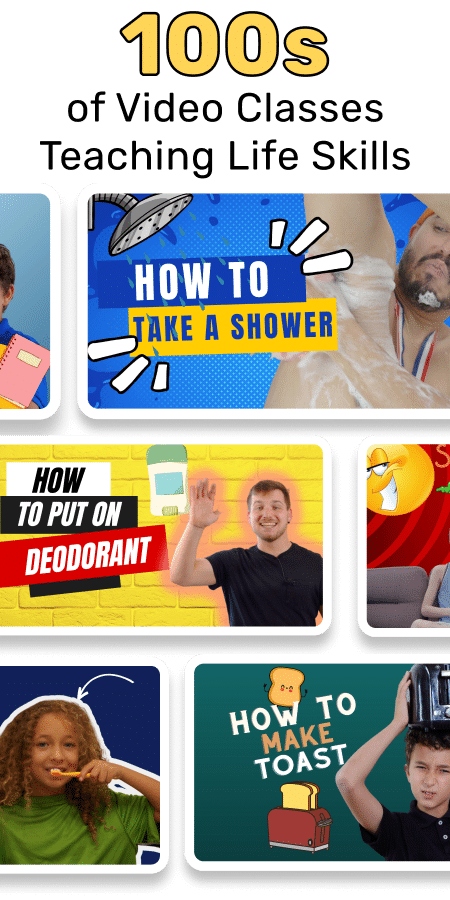
Does your child need some extra guidance on building essential life skills? Goally’s skill building tablet for kids includes a TV app that has the most robust video library of skills training videos for kids. Ranging from content like “How to Brush Your Teeth” to “How to Make Friends at School,” we have dozens of interactive video lessons for kids with thinking and learning differences.
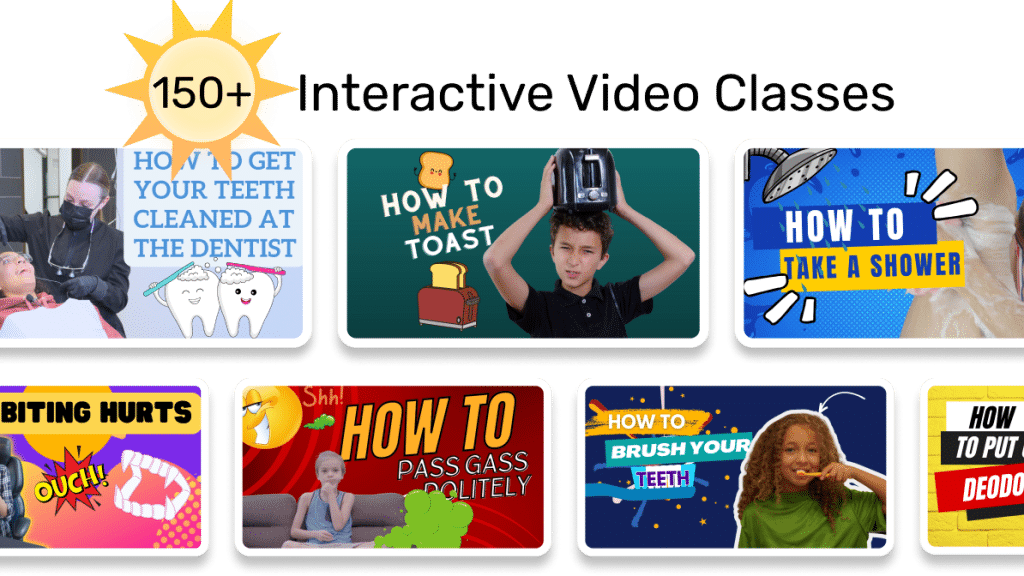
HERE’s a video explaining how to works.
Teaching kids how to hug is about more than just the physical act – it’s about helping them understand and navigate social interactions, express emotions, and respect boundaries. By following these steps and adapting them to your child’s individual needs, you can help your kids develop this important social skill. Remember, every child is different, so be patient and let them progress at their own pace. With practice and guidance, your kids will be giving warm, appropriate hugs in no time, strengthening their connections with family and friends along the way.
Helpful Resources
FAQ’s About How to Hug
What is Goally's approach to teaching kids how to hug?
Goally uses task analysis to break down "how to hug" into simple, manageable steps, making it easy for kids to learn and practice.

How does Goally help kids understand personal space when learning how to hug?
Goally's video classes emphasize the importance of personal space, teaching kids to respect it and ask for permission before hugging.

Can Goally help my child understand the right time for a hug?
Yes, Goally's classes teach kids to recognize emotional cues, helping them understand when a hug might be welcome.

How does Goally teach the actual act of hugging?
Goally's video classes guide kids through the process of hugging, from approaching with open arms to releasing the hug respectfully.

Can Goally's how to hug lessons be applied to other life skills?
Yes, the lessons about personal space and emotional cues in Goally's "how to hug" classes can be applied to many other social interactions.
This post was originally published on 12/12/2023. It was updated on 08/15/2024.

Emily is a seasoned blog writer for Goally, leveraging her extensive background in child psychology and special education to provide valuable insights and resources for parents. Her commitment to understanding and addressing the unique needs of these children, combined with her expertise in educational strategies, makes her a credible and empathetic voice for families.