Working with kids has taught me the power of a well-designed sensory space. I once helped create a sensory room for a young boy with autism, and the transformation in his behavior was remarkable. A sensory room is a specially designed space that provides a range of sensory experiences to help kids with sensory processing issues calm down, focus, and engage with their environment. These rooms can be a game-changer for kids with special needs, offering a safe haven where they can regulate their emotions and senses. In this article, I’ll share seven exciting sensory room ideas you can implement in your home or classroom. From soothing lighting options to interactive tactile walls, these ideas will help you create a space that caters to your child’s unique sensory needs.
Table of Contents
1. Soothing Lighting Options
Lighting is crucial in creating a calming sensory environment. The right lighting can instantly transform a space from overwhelming to soothing. I’ve seen kids who were agitated and unfocused become calm and engaged simply by changing the lighting in their environment.
Here are some sensory room ideas for lighting:
- Fiber optic lights: These provide a mesmerizing, calming visual experience
- Bubble tubes: Combine visual and auditory stimulation with calming effects
- Himalayan salt lamps: Offer a warm, soothing glow
- Projectors: Display calming scenes or patterns on walls
2. Comfortable Seating Options
Comfortable seating is essential in any sensory room. The right seating can provide a sense of security and help with proprioceptive input, which is crucial for many kids with sensory processing issues. I remember working with a girl who struggled to sit still during class. Still, she could focus longer when we introduced a bean bag chair in her sensory corner.
Consider these seating options for your sensory room:
- Bean bag chairs: Offer deep pressure and a cozy nook
- Rocking chairs: Provide calming vestibular input
- Hanging egg chairs: Combine swinging motion with a enclosed feeling
- Weighted lap pads: Can be used with any seating for added calming effect
Goally | The Tablet for Neurodiverse Kids

3. Tactile Wall Panels
Tactile experiences are crucial for sensory development. Incorporating tactile wall panels in your sensory room can provide a range of textures for exploration and stimulation. I’ve seen these panels become a favorite feature for many kids, offering a safe and engaging way to explore different sensations.
Here are some ideas for tactile wall panels:
- Textured tiles: Use a variety of materials like carpet, foam, and plastic
- Busy boards: Incorporate switches, locks, and other manipulatives
- Magnetic walls: Allow for creative play with magnetic toys
- Velcro strips: Great for attaching and detaching various textures
4. Aromatherapy Station
The sense of smell is often overlooked in sensory rooms. Still, it can be a powerful tool for creating a calming environment. An aromatherapy station can help soothe anxiety, improve focus, and create positive associations with the sensory room. I’ve worked with kids who found certain scents incredibly calming during times of stress.
Consider these aromatherapy options:
- Essential oil diffuser: Use calming scents like lavender or chamomile
- Scented putty or play dough: Combines olfactory and tactile input
- Herb garden: Grow aromatic plants like mint or basil
- Scented stuffed animals: Provide a comforting, scented object to hold
Research published in the Journal of Physiological Anthropology found that exposure to certain essential oils can reduce stress and improve cognitive performance. It’s like giving your child’s olfactory system a calming influence over their mood and focus.

Read more: Calm Down Corner Printables for Kids
5. Music and Sound Station
Auditory input can be calming and stimulating, depending on the child’s needs. A music and sound station in your sensory room can provide options for both. I’ve seen kids overwhelmed by environmental noise find peace and focus when listening to specific types of music or white noise.
Here are some ideas for a music and sound station:
- Noise-cancelling headphones: Provide a break from auditory stimulation
- White noise machine: Offer consistent, calming background noise
- Musical instruments: Allow for interactive sound exploration
- Sound panels: Create interesting acoustic effects in the room
6. Movement and Vestibular Input Area
Movement is crucial for many kids with sensory processing issues. A designated movement and vestibular input area can help kids regulate their energy levels and improve body awareness. I’ve worked with children who needed frequent movement breaks to stay focused and calm throughout the day.
Consider these movement options for your sensory room:
- Swing: Provides calming vestibular input
- Trampoline: Offers intense proprioceptive feedback
- Balance beam or stepping stones: Improves balance and coordination
- Crash pad: Provides deep pressure input
Build Custom Printable Visual Schedules
Is your child having trouble managing their routines? Here’s a free visual schedule builder. Goally’s custom tool allows you to create printable personalized schedules that motivate your child to focus on their tasks. Perfect for morning, homework, and bedtime routines, this free visual schedule builder is easy to use and will help your child reach their full potential.
Click below to make your CUSTOM printable visual schedule! 👇
7. Calming Corner with Visual Supports
A calming corner with visual supports can be crucial in a sensory room. This area provides a safe space for kids to retreat when they’re feeling overwhelmed, with visual aids to help them process and express their emotions. These corners become a favorite spot for kids to self-regulate and recharge.
Here are some ideas for a calming corner:
- Emotion charts: Help kids identify and express their feelings
- Visual schedules: Provide structure and predictability
- Calming strategy cards: Offer reminders of coping techniques
- Weighted blankets: Provide deep pressure for relaxation
A study in the Journal of Autism and Developmental Disorders found that visual supports can significantly reduce anxiety and improve behavior in children with autism spectrum disorders. It’s like giving your child a roadmap to navigate their emotions and environment.
| Sensory Room Element | Benefits |
|---|---|
| Soothing Lighting | Reduces visual overstimulation, promotes calm |
| Comfortable Seating | Provides proprioceptive input, improves focus |
| Tactile Wall Panels | Encourages sensory exploration, improves cognitive function |
| Aromatherapy Station | Reduces stress, improves mood and focus |
| Music and Sound Station | Improves attention, reduces hyperactivity |
| Movement Area | Provides vestibular input, improves body awareness |
| Calming Corner | Reduces anxiety, improves emotional regulation |
Goally | Apps To Support Child Development
Looking for fun ways to help your child learn life skills? Try Goally! The Goally tablet comes with award-winning learning apps and video classes to help kids develop the skills they need to become independent with FUN & evidence-based practices.
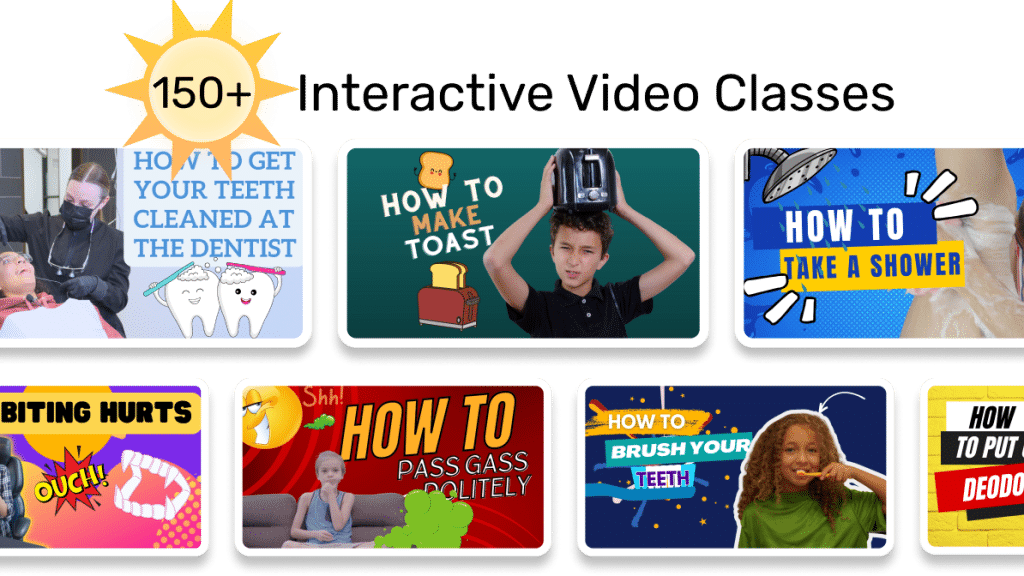
Our apps teach executive function, language, emotional regulation, finger dexterity skills, and more.
As your child develops new skills, you can increase the difficulty level of the tasks in the app to challenge and motivate them even further. This helps your child grow and progress at their own pace, while also keeping them engaged and excited about their development.
Creating a sensory room with these ideas can provide a transformative space for kids with sensory processing challenges. Every child is unique, so it’s important to tailor the room to your child’s specific needs. Start with one or two elements and observe how your child responds. You can always add or adjust as you learn what works best. A well-designed sensory room can be a safe haven for your child to regulate their emotions, engage with their environment, and develop crucial skills. With patience, creativity, and a bit of trial and error, you can create a space that meets your child’s sensory needs and becomes a favorite spot for exploration and relaxation.
Helpful Resources
- STAR Institute for Sensory Processing
- National Autistic Society
- American Occupational Therapy Association
FAQ’s About Sensory Room Ideas
What is a sensory room?
A sensory room is a specially designed space that provides various sensory experiences to help children with sensory processing issues calm down, focus, and engage with their environment.

How can lighting affect a sensory room?
Soothing lighting options like fiber optic lights, bubble tubes, or projectors can create a calming atmosphere and reduce visual overstimulation in a sensory room.

What are some comfortable seating options for a sensory room?
Comfortable seating options for a sensory room include bean bag chairs, rocking chairs, hanging egg chairs, and regular seats with weighted lap pads.

Why is a movement area important in a sensory room?
A movement area with equipment like swings or trampolines provides crucial vestibular input, helping children regulate their energy levels and improve body awareness.

How can a calming corner benefit children in a sensory room?
A calming corner with visual supports like emotion charts and strategy cards provides a safe retreat for children to self-regulate and process their emotions when feeling overwhelmed.

Emily is a seasoned blog writer for Goally, leveraging her extensive background in child psychology and special education to provide valuable insights and resources for parents. Her commitment to understanding and addressing the unique needs of these children, combined with her expertise in educational strategies, makes her a credible and empathetic voice for families.