Managing an autistic child’s seemingly rude behavior can be challenging. Understanding the reasons behind these actions and using targeted strategies can improve their social skills and interactions.
Key Takeaways:
- Autistic children may appear rude due to sensory overload, difficulty with social cues, or limited empathy.
- Effective strategies include staying calm, using clear communication, teaching social skills, and reinforcing positive behavior.
- Professional help can provide tailored support for persistent challenges.
Why does my autistic child behave rudely? Autistic children may behave in ways that seem rude due to difficulties in understanding social norms, interpreting social cues, or managing sensory overload. These behaviors are often not intentional but rather a result of their neurodivergence. Addressing these challenges with clear communication, empathy training, and professional support can help improve their social skills and reduce instances of perceived rudeness.
Table of Contents
Understanding the “Rude” Behavior
First and foremost, it’s essential to recognize that neurodivergent kids, such as those with autism, may not intentionally be rude. Their social skills and communication abilities often develop differently, which can lead to misunderstandings. To clarify, let’s delve into some common reasons for their seemingly impolite behavior:
- Sensory overload: Loud noises, bright lights, or crowded spaces can overwhelm autistic kids, causing them to react in ways that may come across as rude.
- Difficulty with social cues: Neurodivergent kids might struggle to understand facial expressions, body language, or tone of voice, leading to inappropriate responses.
- Limited empathy: Some autistic children may have trouble understanding other people’s feelings, making it difficult for them to respond appropriately in social situations.
Now that we’ve identified the possible reasons behind your child’s behavior, let’s discuss how to deal with a rude autistic child using practical strategies:
Strategies for Managing Rude Behavior
1. Stay Calm and Composed
When your child acts rudely, it’s crucial to remain calm and composed. Responding with anger or frustration can escalate the situation and make it more challenging to address the issue effectively. Remember that your child’s behavior is likely a result of their neurodiversity, not a deliberate attempt to be hurtful.
Read More: Communicating With a Child With Autism
Moreover, in addition to staying calm, try to model appropriate behavior for your child. Demonstrating patience and understanding can help them learn how to react more appropriately in social situations.
2. Use Clear and Direct Communication
Neurodivergent kids often benefit from clear and direct communication. Instead of using sarcasm or vague language, be specific about what your child did that was inappropriate and explain why it was hurtful. For example, you might say, “When you called your cousin stupid, it hurt her feelings. Being kind and respectful to others is important.”
During, and after that conversation, reinforce the message by providing examples of appropriate language and behavior. This can help your child better understand what is expected of them in social situations.

Read More: My Child Refuses to Talk When Upset
3. Teach Social Skills and Empathy
Help your child develop their social skills and empathy by practicing different scenarios and discussing how others might feel in those situations. Role-playing can be an effective way to teach appropriate responses and behaviors. Meanwhile, using social stories or visual aids can help autistic children better understand social cues and expectations.
| Activity | Purpose |
|---|---|
| Role-playing | Teach appropriate responses and behaviors |
| Social stories | Help understand social cues and expectations |
| Visual aids | Assist in recognizing facial expressions and body language |
4. Establish Clear Boundaries and Consequences
Setting clear boundaries and consequences for rude behavior can help your child understand what is acceptable and what is not. Be consistent in enforcing these rules, and make sure the consequences are appropriate and related to the behavior. For instance, if your child interrupts a conversation, you might ask them to apologize and wait their turn to speak.
Furthermore, involve your child in the process of setting boundaries and consequences. This helps them feel more invested in following the rules and understanding the importance of appropriate behavior.
5. Reinforce Positive Behavior
Above all, remember to praise and reinforce positive behavior. When your child demonstrates appropriate social skills or shows empathy, acknowledge their efforts and encourage them to continue practicing these behaviors. Positive reinforcement is key in helping your child develop better social skills over time.
In the same vein, consider using a reward system to motivate your child to practice good behavior. This can be as simple as a sticker chart or a special treat for consistently demonstrating appropriate social skills.
Seeking Professional Help
If your child’s rude behavior persists or becomes more challenging to manage, consider seeking professional help. A therapist or counselor experienced in working with neurodivergent kids can provide valuable guidance and support. They can help identify the underlying causes of your child’s behavior and develop tailored strategies to improve their social skills and communication abilities.
On the other hand, joining a support group for parents of neurodivergent children can also be beneficial. Sharing experiences and learning from others who face similar challenges can provide valuable insights and encouragement.
Goally | Apps That Build Behavior & Life Skills for Kids
Want to keep your child motivated while building essential behavior and life skills? Goally’s skill-building tablet is designed to celebrate small wins and help your child grow. Our Behavior Tracker helps you reward your kid for specific skills, like “being kind” or “flushing the toilet.”
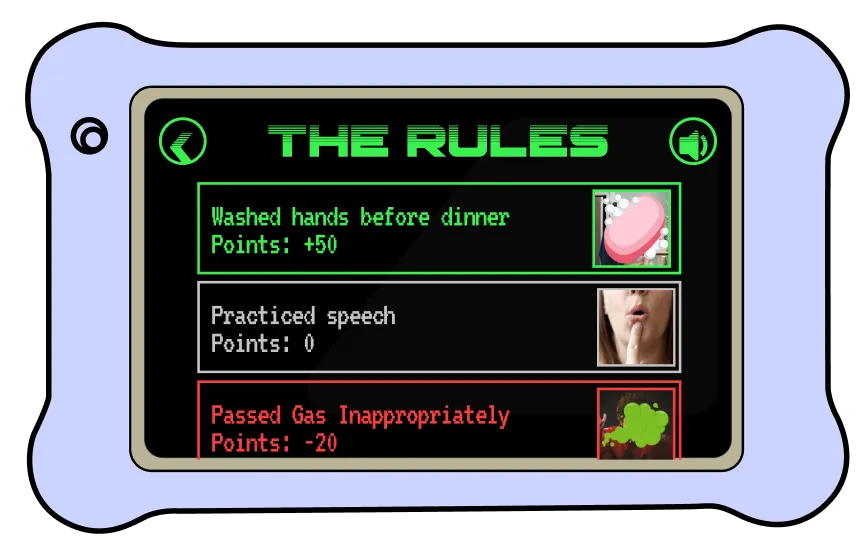
By setting clear expectations and rewarding their efforts, you foster a positive environment for your child to flourish in their behavioral skills journey.
Learning how to deal with a rude autistic child requires patience, understanding, and a willingness to adapt your approach. By recognizing the reasons behind your child’s behavior and implementing practical strategies, you can help them develop better social skills and navigate social situations more effectively. Remember, every child is unique, and progress may be gradual, but with your support and guidance, your neurodivergent child can thrive in their social interactions.
Helpful Resources
FAQs About Dealing With a Rude Autistic Child
Why does an autistic child behave rudely?
Autistic children may behave rudely due to difficulties in understanding social norms and cues, communicating their needs effectively, or handling sensory overload.
What is a visual schedule and how can it help my autistic child?
A visual schedule uses images to represent different activities or tasks, which can help autistic children better understand and anticipate daily routines, thus reducing stress and potentially rude behavior.
How can emotional regulation apps aid an autistic child's behavior?
Emotional regulation apps help children with autism recognize and manage their emotions, thereby improving their social interactions and reducing instances of perceived rudeness.
What role do rewards play in managing an autistic child's behavior?
Rewards can encourage positive behavior in autistic children by reinforcing desired actions or attitudes, making them more likely to repeat those behaviors and reduce instances of rudeness.
Is there professional help available for managing rude behavior in autistic children?
Yes, behavioral therapists and special education professionals specialize in working with autistic children, helping them develop appropriate social skills and manage challenging behaviors.
This post was originally published on 06/06/2023. It was updated on 08/28/2024.

Emily is a seasoned blog writer for Goally, leveraging her extensive background in child psychology and special education to provide valuable insights and resources for parents. Her commitment to understanding and addressing the unique needs of these children, combined with her expertise in educational strategies, makes her a credible and empathetic voice for families.