As a parent, it’s tough when your child is visibly upset, but they won’t talk about it. You want to understand and support them, but how can you do that when they’re silent? This blog post will help you navigate those moments when your child refuses to talk when upset. We’ll uncover the reasons behind their silence and provide practical strategies for encouraging open communication. Plus, we offer tips for creating a supportive environment for your neurodivergent kids.
Table of Contents
Why Your Child May Be Silent When Upset
Before diving into strategies, it’s crucial to explore the reasons behind your child’s silence when they’re upset. There’s no one-size-fits-all answer, but some common factors can contribute to their reluctance to speak.
- Overwhelmed by emotions: Intense feelings can be hard to process, especially for kids with thinking and learning differences. They might not know how to express their emotions verbally or may fear judgment or punishment.
- Difficulty with verbal communication: Neurodivergent kids may face challenges related to verbal communication, making it tough for them to articulate their thoughts and feelings during stressful moments.
- Needing time to process: Some children, particularly those with autism, may need more time to process and understand their emotions before they can communicate effectively.
- Mimicking adult behavior: Kids learn from observing their parents and caregivers. If they’ve seen adults in their lives withdraw or become silent when upset, they may be more likely to do the same.

Understanding the reasons behind your child’s silence can help you approach the situation with empathy and patience.
Read more: 5 Emotional Regulation Activities for Kids
Strategies to Encourage Open Communication
When your child refuses to talk when upset, try these approaches to help them feel comfortable expressing their emotions:
- Wait patiently: Give your child the time they need to process their emotions and find the words to express themselves. Avoid pressuring them to speak immediately.
- Validate their feelings: Let your child know you understand they’re upset and that it’s okay to feel that way. Validating their emotions can make them feel more comfortable opening up.
- Acknowledge nonverbal cues: Pay attention to your child’s body language and facial expressions, as these can provide valuable insights into their emotional state, even if they’re not speaking.
- Offer alternative communication methods: Encourage your child to express themselves through drawing, writing, or using gestures if they’re struggling to communicate verbally.
- Model healthy communication: Demonstrate appropriate ways to express and cope with emotions by sharing your own experiences and feelings with your child.

Remember that every child is unique, and what works for one may not work for another. Be open to trying different strategies and adapting your approach as needed.
Creating a Supportive Environment for Your Neurodivergent Child
Encouraging open communication is a vital part of supporting your child’s emotional well-being. Here are some tips for creating a nurturing environment in which your child feels comfortable sharing their thoughts and feelings:
- Establish a routine: Kids with special needs often thrive on predictability, so establishing a daily routine can help them feel more secure and confident. Include regular check-ins to discuss emotions and any concerns they may have.
- Provide a safe space: Create a designated area in your home where your child feels comfortable and safe discussing their feelings. This can be a cozy corner filled with comforting items, such as soft blankets, pillows, and favorite toys.
- Promote emotional literacy: Teach your child about different emotions and help them learn to identify and label their feelings. This can make it easier for them to communicate their emotions when they’re upset.
- Encourage self-regulation strategies: Help your child develop skills to manage their emotions, such as deep breathing, mindfulness, or engaging in calming activities like coloring or listening to soothing music.
If your child’s refusal to communicate when upset is causing significant distress or impacting their daily life, consider consulting with a therapist or counselor specializing in working with neurodivergent kids.
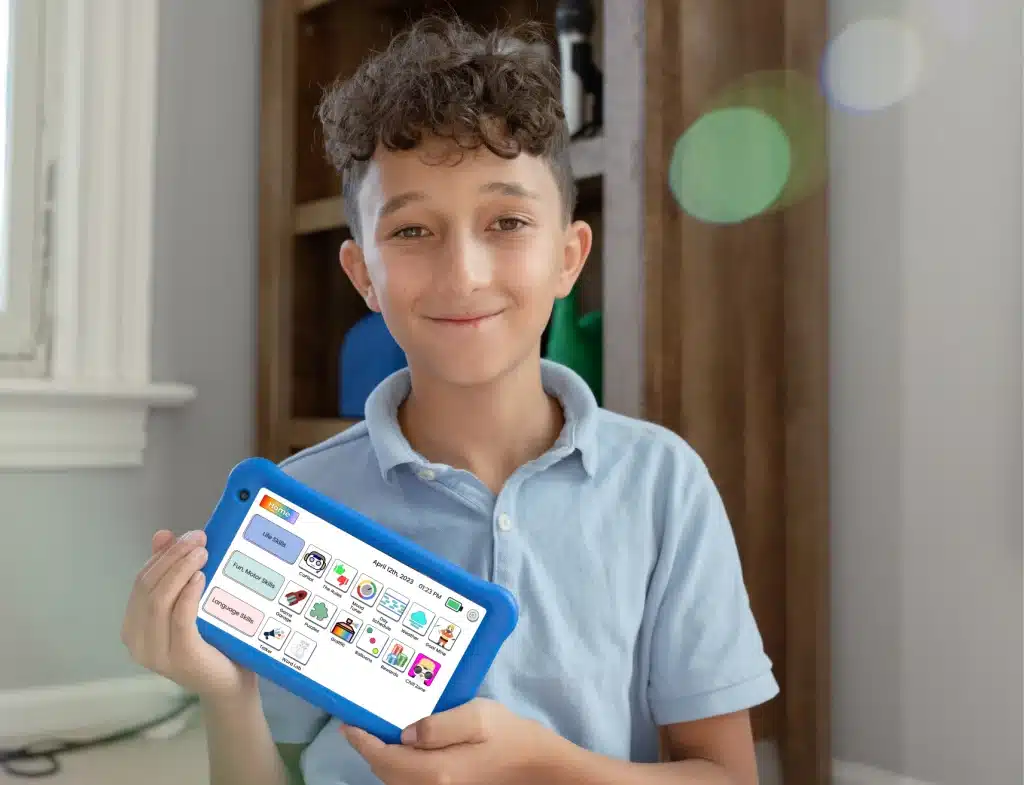
Give your kid an independent future. Goally has 15+ learning apps that teach life skills. There are NO web browsers, social media, or YouTube.
Our apps teach executive function, language, emotional regulation, finger dexterity skills, and more. It also 100+ video classes teaching social skills.
Final Thoughts: Patience, Empathy, and Persistence
When your child refuses to talk when upset, it’s important to remember that they may be struggling to process and express their emotions. By being patient, empathetic, and persistent in your efforts to encourage open communication, you can help your child develop the skills they need to cope with their feelings effectively. Utilize the strategies and tips presented in this guide to create a supportive environment for your neurodivergent child, and remember that every child is unique and may respond differently to various approaches. Stay open-minded and adaptable, and you’ll be better equipped to support your child through their emotional challenges.
This post was originally published on 05/07/2023. It was updated on 07/05/2023.

Goally
We help parents teach their kids life skills, like doing bedtime and morning independently. Backed by science, we incorporate evidence-based practices and expert-informed designs in all of our apps and content.