Can you imagine your children having a blast while learning to manage their emotions? I can! Emotional regulation is a fundamental skill for all children, and it’s especially important for those who are neurodivergent. This post will introduce you to a variety of engaging games that can assist your child in developing these essential emotional regulation skills. These activities are not just fun, but also incredibly effective in teaching children how to understand and manage their emotions. Let’s dive into these fantastic games that can truly make a big difference in your child’s emotional growth and well-being.
Table of Contents
1. Feelings Charades
Feelings Charades is a great way for kids to express and identify emotions. By acting out different emotions, kids can learn to recognize and articulate their feelings, improving their emotional vocabulary and empathy.
2. Emotion Wheel
The Emotion Wheel helps kids visualize and understand the range of emotions they experience. By spinning the wheel and discussing the emotions it lands on, kids can better identify and talk about their feelings.
3. Calm Down Jar
A Calm Down Jar is a simple yet effective tool for helping kids calm down. Watching the glitter settle in the jar can be a mesmerizing activity that helps kids relax and regain control over their emotions.

Read more: 5 Breathing Exercises for Kids
4. Emotion Matching Cards
Emotion Matching Cards are a fun and educational game where kids match cards showing different facial expressions with their corresponding emotions. This activity enhances emotional recognition and understanding.
5. Balloon Breathing
Balloon Breathing is a breathing exercise that teaches kids to take deep, calming breaths. By pretending to blow up a balloon, kids can practice slow, deep breathing, which can help them manage anxiety and stress.
6. Emotion Stories
Emotion Stories involve reading or creating stories focusing on emotions. This activity encourages kids to empathize with characters and reflect on their feelings, enhancing emotional awareness and expression.
Tired of Emotional Meltdowns?
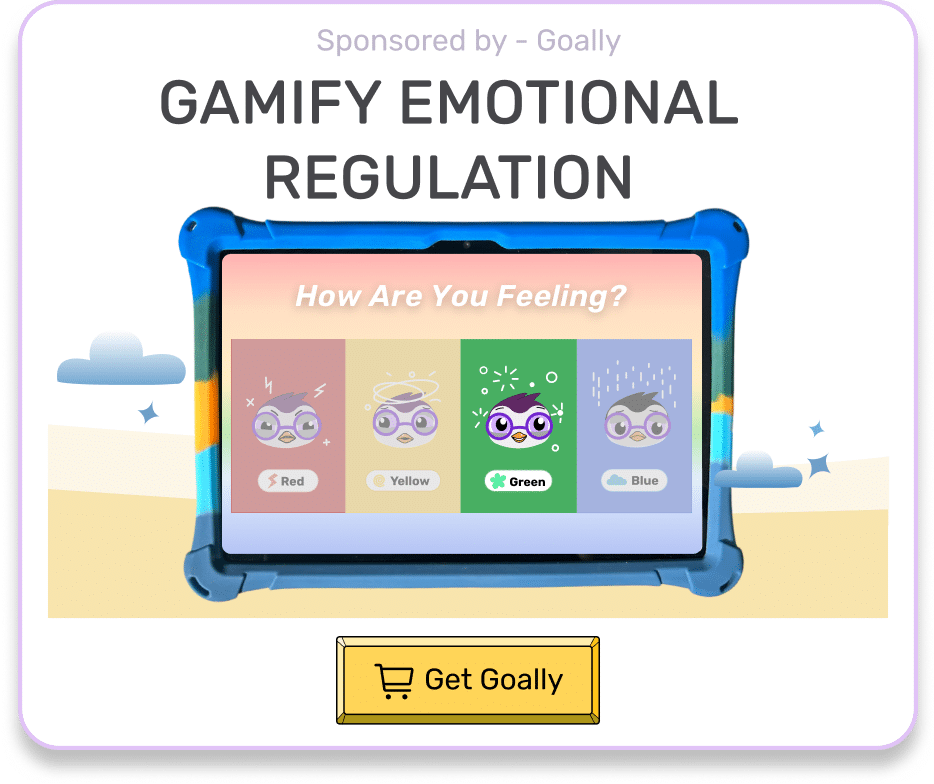
Goally’s Mood Tuner app has activities for kids with BIG emotions. Teach kids how to tune their mood with Goally. See fewer meltdowns.
The Mood Tuner app encourages kids to look inwards and identify their feelings, helping them understand what’s going on inside. Once they’ve recognized their emotions, they can choose from a 20+ activities designed to help them self-regulate and find their balance.
To sum up, emotional regulation games are a powerful tool for helping kids understand and manage their emotions. By incorporating these games into your child’s routine, you can foster emotional awareness, reduce anxiety, and equip them with skills to handle stress. These activities are not only beneficial for neurotypical kids but also offer significant advantages for neurodivergent children. Consistently engaging in these games can make a meaningful difference in your child’s emotional development and overall well-being.
Helpful Resources
FAQ’s About Emotional Regulation Games
What are emotional regulation games?
Emotional regulation games are activities designed to help kids identify, understand, and manage their emotions in a fun and interactive way.

How can emotional regulation games benefit my child?
These games can improve your child's emotional awareness, reduce anxiety, and enhance their ability to handle stress and frustration.

What are some examples of emotional regulation games?
Examples include Feelings Charades, Emotion Wheel, Calm Down Jar, Emotion Matching Cards, and Balloon Breathing.

Can emotional regulation games help neurodivergent kids?
Yes, emotional regulation games can be particularly beneficial for neurodivergent kids, helping them develop crucial emotional and social skills.

How often should my child play emotional regulation games?
Playing these games a few times a week can be very effective in helping your child practice and strengthen their emotional regulation skills.

Emily is a seasoned blog writer for Goally, leveraging her extensive background in child psychology and special education to provide valuable insights and resources for parents. Her commitment to understanding and addressing the unique needs of these children, combined with her expertise in educational strategies, makes her a credible and empathetic voice for families.