Potty training can be a daunting task for any parent, but when your child is on the autism spectrum, it can seem even more challenging. I’ve worked with many neurodivergent kids and understand the unique hurdles you might face. This guide will provide practical, step-by-step strategies to help make potty training smoother for you and your child. These steps will create a supportive and structured environment that can lead to success.
Table of Contents
Step 1: Establish a Routine
Consistency is key in potty training, especially for kids with special needs. Establish a regular bathroom schedule and stick to it. This helps your child understand and anticipate bathroom times, reducing anxiety and uncertainty.
Creating a visual timetable can be beneficial. This can be a simple chart that shows daily activities, including bathroom breaks. Visual schedules provide clear expectations and help your child understand their day better. For instance, images or symbols that represent each activity should be placed in order on a timeline.
Step 2: Use Visual Aids
Many autistic children respond well to visual aids. Consider using the Picture Exchange Communication System (PECS) or other visual tools to illustrate the steps involved in using the toilet. This might include pictures of washing hands, sitting on the potty, and flushing the toilet.
Additionally, you can create an app-based visual aid. For example, “See Me Go Potty” allows you to create an avatar of your child that demonstrates how to use the toilet, which can make the process more engaging and less intimidating for them.
Step 3: Minimize Routine Changes
Changes can be particularly challenging for neurodivergent kids. Use a training seat and the adult toilet instead of a child’s potty to minimize disruption. This consistency helps them get used to the adult toilet right from the start, making transitions smoother in the long run.
Keeping the bathroom environment calm and quiet is crucial. Sensory sensitivities can overwhelm a noisy or busy bathroom, so try to create a serene space for your child to use the potty.
Goally | The Tablet for Neurodiverse Kids

Step 4: Use Social Stories
Social stories are short descriptions of a particular activity, detailing what to expect and why it’s important. You can create a social story about going to the bathroom, describing each step in the process. This can help demystify the experience and reduce anxiety.
For example, a social story might explain that everyone uses the toilet; it’s a normal part of the day and helps keep our bodies healthy. Including pictures and simple language can make the story more relatable and understandable for your child. Social stories will help you with how to potty train an autistic child.
Step 5: Set Timers
Using timers can help signal when it’s time to use the bathroom. This external cue can be a helpful reminder for you and your child. Set the timer for regular intervals, such as every hour, to encourage regular bathroom visits.
Gradually, your child will start associating the timer with bathroom time, helping them recognize their body’s signals and develop a sense of routine.

Read more: Does ADHD Affect Potty Training?
Step 6: Reward Small Steps
Positive reinforcement is a powerful tool. Choose a favorite toy, snack, or activity to reward your child for each small step toward potty training. Celebrating these achievements can motivate your child to continue making progress.
For example, give a small reward for sitting on the potty, even if they don’t use it at first. Gradually increase the expectations for rewards as your child makes progress. This approach helps build confidence and encourages positive behavior. Check out the post below that helps with how to potty train an autistic child.
Step 7: Increase Fluid Intake
Increasing your child’s fluid intake for a few days can help create more practice opportunities. The more often they need to use the bathroom, the more chances you have to reinforce the potty training routine.
Ensure your child drinks plenty of water and healthy fluids throughout the day. This strategy helps them become more familiar with the sensation of needing to go and reduces the likelihood of accidents.
Step 8: Stay Consistent
Consistency and routine are critical for helping autistic children learn best and feel comfortable. Please stick to your established bathroom schedule and routines, even when challenging. Over time, this consistency will help your child feel more secure and capable.
For instance, always use the same words and phrases when discussing bathroom time. Predictability helps your child understand what to expect and reduces anxiety around the process.
Step 9: Ignore Challenging Behavior
It’s important to stay calm and composed if your child exhibits challenging behavior during potty training. Instead of reacting, calmly ignore the behavior and redirect their attention to the task. This teaches them that negative behavior doesn’t get attention, but positive actions do.
For example, if your child throws a tantrum when it’s time to use the potty, remain calm and wait for the behavior to subside. Then, gently guide them back to the task. Patience and persistence are key.
Step 10: Use an App
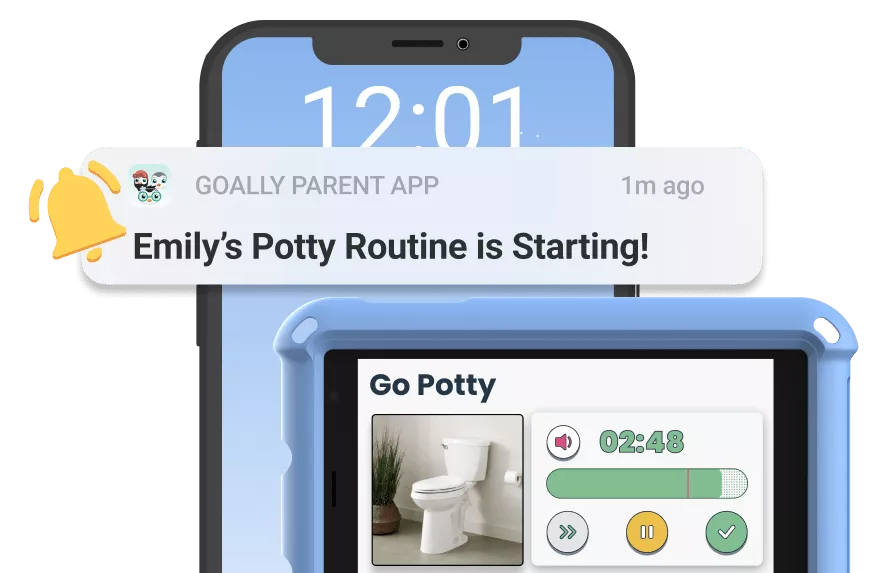
Goally’s Copilot for visual schedules can be a fantastic aid in potty training. By using interactive and engaging visual schedules, Goally makes the potty training process clear and relatable for your child.
Additionally, Goally’s Copilot helps you track progress and identify patterns. This valuable data allows you to adjust your potty training strategy as needed, ensuring a smoother and more effective experience for both you and your child.
Additional Tips for Success
Alongside these steps, here are a few additional tips to enhance your potty training journey:
- Keep the bathroom environment calm and quiet to minimize sensory overload.
- Use timers and visual aids to reinforce the potty training schedule.
- Encourage your child with positive reinforcement and celebrate their progress.
- Be patient and consistent, recognizing that every child learns independently.
Goally | Routines that Actually Work
Goally’s skill building tablet for kids has routines that break down large tasks into small, achievable steps. It helps kids complete their tasks independently!
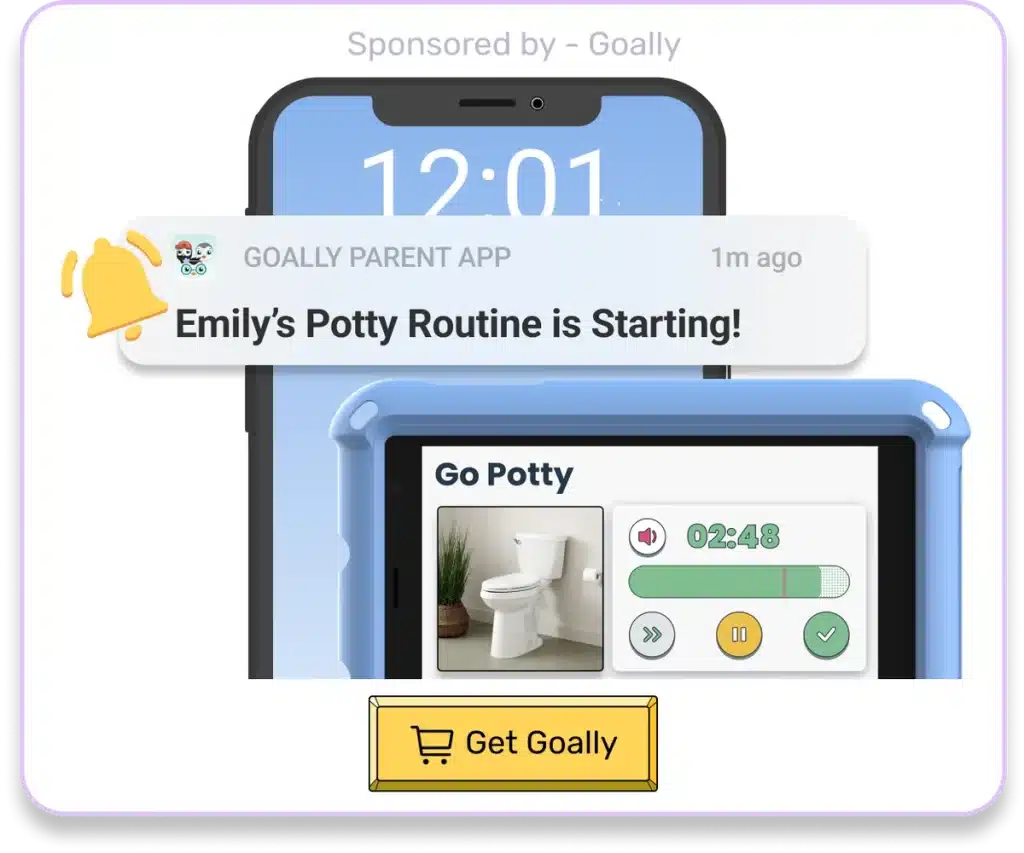
Create custom routines with your own videos & pictures for every step. The steps come in small, bite-sized pieces to help your child learn the little fundamentals (like putting the toothpaste on their toothbrush!) to achieve bigger goals. And that’s just the beginning. See it in action:
Remember, potty training is a gradual process, and it’s important to celebrate small victories along the way. By creating a supportive and structured environment, you’re setting your child up for success. According to the CDC, early intervention can greatly improve a child’s development, including essential life skills like potty training. By starting early and using tailored strategies, you can significantly impact your child’s growth and independence.
Helpful Resources
FAQ’s About How to Potty Train an Autistic Child
What are the first steps in potty training an autistic child?
Start by establishing a consistent routine and using visual schedules to help your child understand the process.

How can I make potty training easier for an autistic child?
Use positive reinforcement, offer rewards, and create a calm, supportive environment to make potty training more manageable.

Are there specific tools to help potty train an autistic child?
Yes, tools like visual schedules, social stories, and sensory-friendly toilet seats can aid in the potty training process.

How long does it take to potty train an autistic child?
The timeline varies for each child; patience and consistency are key, and progress may take longer than with neurotypical children.

What should I do if my autistic child resists potty training?
If resistance occurs, take a break and try again later, maintaining a positive attitude and adapting strategies as needed.

Emily is a seasoned blog writer for Goally, leveraging her extensive background in child psychology and special education to provide valuable insights and resources for parents. Her commitment to understanding and addressing the unique needs of these children, combined with her expertise in educational strategies, makes her a credible and empathetic voice for families.