Working with kids has taught me that recognizing early signs of behavioral issues is crucial. This list highlights key red flags in 3-year-old behavior that might indicate the need for additional support or intervention, helping parents address concerns early and effectively.
Table of Contents
1. Delayed Speech and Language Skills
One of the most noticeable red flags in a 3-year-old’s behavior is delayed speech and language development. By age three, most children should be able to speak in short sentences, follow simple instructions, and have a vocabulary of about 200-300 words.
If your child struggles with basic communication, has difficulty understanding simple questions, or can’t form simple sentences, it may be time to seek advice from a pediatrician or speech therapist. Early intervention can make a significant difference in helping your child develop essential language skills.
2. Limited Social Interaction
Three-year-olds typically enjoy playing with other kids and engaging in social activities. This might be a red flag if your child prefers to play alone, shows little interest in interacting with peers, or has difficulty understanding social cues.
Social interaction is vital for developing communication skills, empathy, and emotional regulation. Observing your child’s play habits and social behaviors can help identify if they need additional support to engage more effectively with others.
Goally | The Tablet for Neurodiverse Kids

3. Intense Tantrums and Emotional Outbursts
While tantrums are a normal part of toddlerhood, frequent, intense, and prolonged emotional outbursts can be concerning. If your child has difficulty calming down, reacts aggressively, or experiences tantrums that last longer than usual, it might indicate underlying issues.
Learning emotional regulation is crucial for a child’s development. If tantrums interfere with daily activities or cause distress, consider consulting a child psychologist or behavioral therapist for guidance and support.
4. Sensory Sensitivities
Sensory processing issues can manifest as extreme reactions to everyday stimuli such as loud noises, bright lights, or certain textures. It might be a red flag if your child appears unusually sensitive or avoids sensory experiences.
These sensitivities can impact a child’s ability to engage in typical activities and may indicate sensory processing disorder (SPD). Occupational therapy can help address these challenges, improving your child’s comfort and participation in daily routines.

5. Lack of Interest in Pretend Play
Pretend play is an important aspect of early childhood development, fostering creativity and social skills. This could be a concern if your 3-year-old shows little interest in imaginative play or struggles to engage in make-believe activities.
Encouraging pretend play and providing opportunities for imaginative activities can help stimulate your child’s cognitive and social development. If the lack of interest persists, consider seeking advice from a developmental specialist.
6. Repetitive Behaviors and Routines
While some routine behaviors are normal, excessive repetitive actions or rigid adherence to routines can be red flags. It might indicate underlying issues if your child becomes distressed when routines are disrupted or engage in repetitive behaviors without variation.
Observing these behaviors and their impact on daily life can help determine if further assessment is needed. Consulting with a pediatrician or developmental specialist can provide guidance on how to support your child’s needs.
Goally | Apps That Build Behavior & Life Skills for Kids
Want to keep your child motivated while building essential behavior and life skills? Goally’s skill-building tablet is designed to celebrate small wins and help your child grow. Our Behavior Tracker helps you reward your kid for specific skills, like “being kind” or “flushing the toilet.”
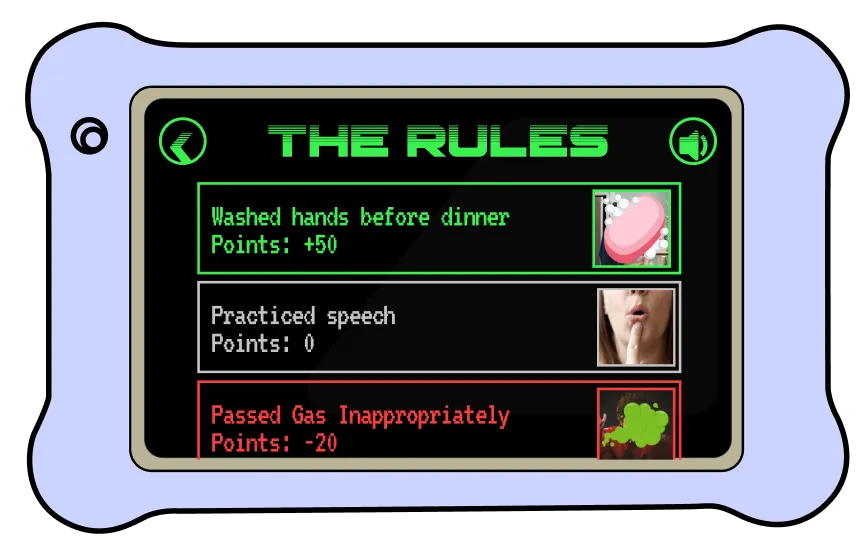
By setting clear expectations and rewarding their efforts, you foster a positive environment for your child to flourish in their behavioral skills journey.
Recognizing these red flags early can lead to timely interventions and support, ensuring your child has the best possible foundation for their future development. If you notice any of these signs, don’t hesitate to seek professional advice to address your concerns and help your child thrive.
Helpful Resources
FAQ’s About 3 Year-Old Behavior Red Flags
What are signs of delayed speech in a 3-year-old?
Signs include difficulty forming sentences, limited vocabulary, and trouble understanding simple questions.

Why might a 3-year-old have intense tantrums?
Intense tantrums can indicate difficulties with emotional regulation or underlying behavioral issues.

What does limited social interaction in a 3-year-old suggest?
It may suggest challenges with social skills or understanding social cues, which could require additional support.

How can sensory sensitivities manifest in a 3-year-old?
They can appear as extreme reactions to stimuli like loud noises, bright lights, or certain textures.

Why is lack of interest in pretend play a red flag for 3-year-olds?
Pretend play is crucial for development, and a lack of interest may indicate cognitive or social developmental delays.

Emily is a seasoned blog writer for Goally, leveraging her extensive background in child psychology and special education to provide valuable insights and resources for parents. Her commitment to understanding and addressing the unique needs of these children, combined with her expertise in educational strategies, makes her a credible and empathetic voice for families.
- Emily Parker
- Emily Parker
- Emily Parker
- Emily Parker
- Emily Parker
- Emily Parker
- Emily Parker
- Emily Parker
- Emily Parker
- Emily Parker
- Emily Parker
- Emily Parker
- Emily Parker
- Emily Parker
- Emily Parker
- Emily Parker
- Emily Parker
- Emily Parker
- Emily Parker
- Emily Parker
- Emily Parker
- Emily Parker
- Emily Parker
- Emily Parker
- Emily Parker
- Emily Parker
- Emily Parker
- Emily Parker
- Emily Parker
- Emily Parker
- Emily Parker
- Emily Parker
- Emily Parker
- Emily Parker
- Emily Parker
- Emily Parker
- Emily Parker
- Emily Parker
- Emily Parker
- Emily Parker
- Emily Parker
- Emily Parker
- Emily Parker
- Emily Parker
- Emily Parker
- Emily Parker
- Emily Parker
- Emily Parker
- Emily Parker
- Emily Parker
- Emily Parker
- Emily Parker
- Emily Parker
- Emily Parker
- Emily Parker
- Emily Parker
- Emily Parker
- Emily Parker
- Emily Parker
- Emily Parker
- Emily Parker
- Emily Parker
- Emily Parker
- Emily Parker
- Emily Parker
- Emily Parker
- Emily Parker
- Emily Parker
- Emily Parker
- Emily Parker
- Emily Parker
- Emily Parker
- Emily Parker
- Emily Parker
- Emily Parker
- Emily Parker
- Emily Parker
- Emily Parker
- Emily Parker
- Emily Parker
- Emily Parker
- Emily Parker
- Emily Parker
- Emily Parker
- Emily Parker
- Emily Parker
- Emily Parker
- Emily Parker
- Emily Parker
- Emily Parker
- Emily Parker
- Emily Parker
- Emily Parker
- Emily Parker
- Emily Parker
- Emily Parker
- Emily Parker
- Emily Parker
- Emily Parker
- Emily Parker
- Emily Parker
- Emily Parker
- Emily Parker
- Emily Parker
- Emily Parker
- Emily Parker
- Emily Parker
- Emily Parker
- Emily Parker
- Emily Parker
- Emily Parker
- Emily Parker
- Emily Parker
- Emily Parker
- Emily Parker
- Emily Parker
- Emily Parker
- Emily Parker
- Emily Parker
- Emily Parker
- Emily Parker
- Emily Parker
- Emily Parker
- Emily Parker
- Emily Parker
- Emily Parker
- Emily Parker
- Emily Parker
- Emily Parker
- Emily Parker
- Emily Parker
- Emily Parker
- Emily Parker
- Emily Parker
- Emily Parker
- Emily Parker
- Emily Parker
- Emily Parker
- Emily Parker
- Emily Parker
- Emily Parker
- Emily Parker
- Emily Parker
- Emily Parker
- Emily Parker
- Emily Parker
- Emily Parker
- Emily Parker
- Emily Parker
- Emily Parker
- Emily Parker
- Emily Parker
- Emily Parker
- Emily Parker
- Emily Parker
- Emily Parker
- Emily Parker
- Emily Parker
- Emily Parker
- Emily Parker
- Emily Parker
- Emily Parker
- Emily Parker
- Emily Parker
- Emily Parker
- Emily Parker
- Emily Parker
- Emily Parker
- Emily Parker
- Emily Parker
- Emily Parker
- Emily Parker
- Emily Parker
- Emily Parker
- Emily Parker
- Emily Parker
- Emily Parker
- Emily Parker
- Emily Parker
- Emily Parker
- Emily Parker
- Emily Parker
- Emily Parker
- Emily Parker
- Emily Parker
- Emily Parker
- Emily Parker
- Emily Parker
- Emily Parker
- Emily Parker
- Emily Parker
- Emily Parker
- Emily Parker
- Emily Parker
- Emily Parker
- Emily Parker
- Emily Parker
- Emily Parker
- Emily Parker
- Emily Parker
- Emily Parker
- Emily Parker
- Emily Parker
- Emily Parker
- Emily Parker
- Emily Parker
- Emily Parker
- Emily Parker
- Emily Parker
- Emily Parker
- Emily Parker
- Emily Parker
- Emily Parker
- Emily Parker
- Emily Parker
- Emily Parker
- Emily Parker
- Emily Parker
- Emily Parker
- Emily Parker
- Emily Parker
- Emily Parker
- Emily Parker
- Emily Parker
- Emily Parker
- Emily Parker
- Emily Parker
- Emily Parker
- Emily Parker
- Emily Parker
- Emily Parker
- Emily Parker
- Emily Parker
- Emily Parker
- Emily Parker
- Emily Parker
- Emily Parker
- Emily Parker
- Emily Parker
- Emily Parker
- Emily Parker
- Emily Parker
- Emily Parker
- Emily Parker
- Emily Parker
- Emily Parker
- Emily Parker
- Emily Parker
- Emily Parker
- Emily Parker
- Emily Parker
- Emily Parker
- Emily Parker
- Emily Parker
- Emily Parker
- Emily Parker
- Emily Parker
- Emily Parker
- Emily Parker
- Emily Parker
- Emily Parker
- Emily Parker
- Emily Parker
- Emily Parker
- Emily Parker
- Emily Parker
- Emily Parker
- Emily Parker
- Emily Parker
- Emily Parker
- Emily Parker
- Emily Parker
- Emily Parker
- Emily Parker
- Emily Parker
- Emily Parker
- Emily Parker
- Emily Parker
- Emily Parker
- Emily Parker
- Emily Parker
- Emily Parker
- Emily Parker
- Emily Parker
- Emily Parker
- Emily Parker
- Emily Parker
- Emily Parker
- Emily Parker
- Emily Parker
- Emily Parker
- Emily Parker
- Emily Parker
- Emily Parker
- Emily Parker
- Emily Parker
- Emily Parker
- Emily Parker
- Emily Parker
- Emily Parker
- Emily Parker
- Emily Parker
- Emily Parker
- Emily Parker
- Emily Parker
- Emily Parker
- Emily Parker
- Emily Parker
- Emily Parker
- Emily Parker
- Emily Parker
- Emily Parker
- Emily Parker
- Emily Parker
- Emily Parker
- Emily Parker
- Emily Parker
- Emily Parker
- Emily Parker
- Emily Parker
- Emily Parker
- Emily Parker
- Emily Parker
- Emily Parker
- Emily Parker
- Emily Parker
- Emily Parker
- Emily Parker
- Emily Parker
- Emily Parker
- Emily Parker
- Emily Parker
- Emily Parker
- Emily Parker
- Emily Parker
- Emily Parker
- Emily Parker
- Emily Parker
- Emily Parker
- Emily Parker
- Emily Parker
- Emily Parker
- Emily Parker
- Emily Parker
- Emily Parker
- Emily Parker
- Emily Parker
- Emily Parker
- Emily Parker
- Emily Parker
- Emily Parker
- Emily Parker
- Emily Parker
- Emily Parker
- Emily Parker
- Emily Parker
- Emily Parker
- Emily Parker
- Emily Parker
- Emily Parker
- Emily Parker
- Emily Parker
- Emily Parker
- Emily Parker
- Emily Parker
- Emily Parker
- Emily Parker
- Emily Parker
- Emily Parker
- Emily Parker
- Emily Parker
- Emily Parker
- Emily Parker
- Emily Parker
- Emily Parker
- Emily Parker
- Emily Parker
- Emily Parker
- Emily Parker
- Emily Parker
- Emily Parker
- Emily Parker
- Emily Parker
- Emily Parker
- Emily Parker
- Emily Parker
- Emily Parker
- Emily Parker
- Emily Parker
- Emily Parker
- Emily Parker
- Emily Parker
- Emily Parker
- Emily Parker
- Emily Parker
- Emily Parker
- Emily Parker
- Emily Parker
- Emily Parker
- Emily Parker
- Emily Parker
- Emily Parker
- Emily Parker
- Emily Parker
- Emily Parker
- Emily Parker
- Emily Parker
- Emily Parker
- Emily Parker
- Emily Parker
- Emily Parker
- Emily Parker
- Emily Parker
- Emily Parker
- Emily Parker
- Emily Parker
- Emily Parker
- Emily Parker
- Emily Parker
- Emily Parker
- Emily Parker
- Emily Parker
- Emily Parker
- Emily Parker
- Emily Parker
- Emily Parker
- Emily Parker
- Emily Parker
- Emily Parker
- Emily Parker
- Emily Parker
- Emily Parker
- Emily Parker
- Emily Parker
- Emily Parker
- Emily Parker
- Emily Parker
- Emily Parker
- Emily Parker
- Emily Parker
- Emily Parker
- Emily Parker
- Emily Parker
- Emily Parker
- Emily Parker
- Emily Parker
- Emily Parker
- Emily Parker
- Emily Parker
- Emily Parker
- Emily Parker
- Emily Parker
- Emily Parker
- Emily Parker
- Emily Parker
- Emily Parker
- Emily Parker
- Emily Parker
- Emily Parker
- Emily Parker
- Emily Parker
- Emily Parker
- Emily Parker
- Emily Parker
- Emily Parker
- Emily Parker
- Emily Parker
- Emily Parker
- Emily Parker
- Emily Parker
- Emily Parker
- Emily Parker
- Emily Parker
- Emily Parker
- Emily Parker
- Emily Parker
- Emily Parker
- Emily Parker
- Emily Parker
- Emily Parker
- Emily Parker
- Emily Parker
- Emily Parker
- Emily Parker
- Emily Parker
- Emily Parker
- Emily Parker
- Emily Parker
- Emily Parker
- Emily Parker
- Emily Parker
- Emily Parker
- Emily Parker
- Emily Parker
- Emily Parker
- Emily Parker
- Emily Parker
- Emily Parker
- Emily Parker
- Emily Parker
- Emily Parker
- Emily Parker
- Emily Parker
- Emily Parker
- Emily Parker
- Emily Parker
- Emily Parker
- Emily Parker
- Emily Parker
- Emily Parker
- Emily Parker
- Emily Parker
- Emily Parker
- Emily Parker
- Emily Parker
- Emily Parker
- Emily Parker
- Emily Parker
- Emily Parker
- Emily Parker
- Emily Parker
- Emily Parker
- Emily Parker
- Emily Parker
- Emily Parker
- Emily Parker
- Emily Parker
- Emily Parker
- Emily Parker
- Emily Parker
- Emily Parker
- Emily Parker
- Emily Parker
- Emily Parker
- Emily Parker
- Emily Parker
- Emily Parker
- Emily Parker
- Emily Parker
- Emily Parker
- Emily Parker
- Emily Parker
- Emily Parker
- Emily Parker
- Emily Parker
- Emily Parker
- Emily Parker
- Emily Parker
- Emily Parker
- Emily Parker
- Emily Parker
- Emily Parker
- Emily Parker
- Emily Parker
- Emily Parker
- Emily Parker
- Emily Parker
- Emily Parker
- Emily Parker
- Emily Parker
- Emily Parker
- Emily Parker
- Emily Parker
- Emily Parker
- Emily Parker
- Emily Parker
- Emily Parker
- Emily Parker
- Emily Parker
- Emily Parker
- Emily Parker
- Emily Parker
- Emily Parker
- Emily Parker
- Emily Parker
- Emily Parker
- Emily Parker
- Emily Parker
- Emily Parker
- Emily Parker
- Emily Parker
- Emily Parker
- Emily Parker
- Emily Parker
- Emily Parker
- Emily Parker
- Emily Parker
- Emily Parker
- Emily Parker
- Emily Parker
- Emily Parker
- Emily Parker
- Emily Parker
- Emily Parker
- Emily Parker
- Emily Parker
- Emily Parker
- Emily Parker
- Emily Parker
- Emily Parker
- Emily Parker
- Emily Parker
- Emily Parker
- Emily Parker
- Emily Parker
- Emily Parker
- Emily Parker
- Emily Parker
- Emily Parker
- Emily Parker
- Emily Parker
- Emily Parker
- Emily Parker
- Emily Parker
- Emily Parker
- Emily Parker
- Emily Parker
- Emily Parker
- Emily Parker
- Emily Parker
- Emily Parker