As a professional working with kids who have cerebral palsy, I’ve witnessed firsthand the incredible impact that specialized education can have on their lives. The joy of seeing a child master a new skill or overcome a challenge is truly indescribable. Today, I want to share my insights on cerebral palsy special education and how it can transform the learning experience for these remarkable children. Cerebral palsy special education refers to tailored educational programs designed to meet the unique needs of students with cerebral palsy, focusing on their physical, cognitive, and social development within the school setting. This blog will explore the key aspects of special education for kids with cerebral palsy, from individualized learning plans to adaptive technologies, and provide practical tips for parents navigating this journey.
Table of Contents
Understanding Cerebral Palsy in the Educational Context
When we talk about cerebral palsy special education, it’s crucial to understand how this condition affects a child’s learning journey. A cerebral palsy is a group of disorders that affect movement, balance, and posture. It’s caused by abnormal brain development or damage to the developing brain, which can occur before, during, or shortly after birth.
In the classroom, cerebral palsy can present various challenges. Some children may have difficulty with fine motor skills, making writing or using a computer mouse challenging. Others might struggle with speech, requiring alternative communication methods. The severity and specific symptoms can vary widely from one child to another, which is why individualized education plans are so important in cerebral palsy special education.
Goally | The Tablet for Neurodiverse Kids
The Importance of Individualized Education Plans (IEPs)
One of the cornerstones of cerebral palsy special education is the Individualized Education Plan (IEP). I’ve seen firsthand how these tailored plans can make a world of difference. An IEP is a legally binding document that outlines a child’s learning goals and the special education services they’ll receive.
When developing an IEP for a child with cerebral palsy, we consider several factors:
- Physical needs: This might include accommodations for mobility devices or specialized seating.
- Communication needs: Some children may require speech therapy or assistive communication devices.
- Learning style: We identify the best methods for the child to absorb and retain information.
- Social and emotional support: Strategies to help the child interact with peers and build self-esteem.
It’s important to note that IEPs are not set in stone. They’re reviewed regularly and can be adjusted as the child grows and their needs change. According to the National Center for Education Statistics, about 14% of all public school students received special education services in the 2020-2021 school year. While this statistic includes all types of disabilities, it underscores the importance of specialized education programs.
Adaptive Technologies in Cerebral Palsy Special Education
One of the most exciting aspects of cerebral palsy special education is the use of adaptive technologies. These tools can level the playing field and open up new possibilities for learning. I’ve seen children light up when they realize they can communicate or complete tasks independently using these technologies.
Read more: What Causes Cerebral Palsy?
Some standard adaptive technologies used in cerebral palsy special education include:
- Alternative keyboards: These can be larger, have raised keys, or be completely digital for easier use.
- Voice recognition software: This allows students to dictate their thoughts instead of writing.
- Eye-gaze devices: These track eye movement to control a computer, enabling communication for those with limited physical movement.
- Specialized apps: There are numerous educational apps designed specifically for children with special needs.
A study published in the Journal of Special Education Technology found that the use of assistive technology in special education classrooms increased student engagement by 73%. This statistic highlights the transformative power of these tools in cerebral palsy special education.
Physical Therapy and Occupational Therapy in the School Setting
Physical therapy (PT) and occupational therapy (OT) are integral parts of cerebral palsy special education. These therapies are often provided right in the school setting, allowing for seamless integration with the child’s educational program.
Physical therapy in schools focuses on helping children navigate the school environment. This might include:
- Improving mobility to move between classrooms
- Enhancing balance and coordination for playground activities
- Strengthening muscles to sit comfortably at a desk
Occupational therapy, on the other hand, helps children perform everyday tasks needed for school. This can include:
- Fine motor skills for writing or using a computer
- Self-care skills like managing lunch boxes or backpacks
- Sensory integration to help children focus in busy classroom environments
The collaboration between therapists and teachers is crucial in cerebral palsy special education. It ensures that the skills learned in therapy sessions are reinforced throughout the school day.
Social Integration and Emotional Support
While academic and physical needs are crucial, I’ve found that social integration and emotional support are equally important in cerebral palsy special education. Children with cerebral palsy may face social challenges due to mobility issues or communication difficulties. That’s why many special education programs include strategies to promote social interaction and build self-esteem.
Some practical approaches I’ve seen include:
- Buddy systems: Pairing students with cerebral palsy with peer mentors.
- Social skills groups: Structured activities to practice social interactions.
- Inclusive extracurricular activities: Adapting clubs or sports to ensure all students can participate.
- Counseling services: Providing emotional support and coping strategies.
These efforts can have a profound impact. A study published in the Journal of Child Neurology found that children with cerebral palsy who participated in inclusive education settings showed significant improvements in social skills and self-esteem compared to those in segregated settings.
Read more: Early Signs of Cerebral Palsy
Collaboration Between Educators and Parents
In my experience, the most successful cerebral palsy special education programs are those where there’s strong collaboration between educators and parents. Parents are experts on their children, and their insights are invaluable in creating effective educational strategies.
Here are some ways parents can be involved in their child’s cerebral palsy special education:
- Regular communication: Keeping an open dialogue with teachers and therapists about the child’s progress and challenges.
- Participation in IEP meetings: Actively contributing to the development and review of the child’s education plan.
- Home reinforcement: Practicing skills learned at school in the home environment.
- Advocating for needs: Speaking up when additional supports or services are needed.
Remember, you know your child best. Your input is crucial in ensuring that your child’s cerebral palsy special education program is truly meeting their needs.
Preparing for Transitions
As children with cerebral palsy grow, their educational needs evolve. Part of cerebral palsy special education involves preparing for these transitions, whether it’s moving from elementary to middle school or planning for post-secondary education or employment.
Transition planning typically includes:
- Assessing the student’s strengths, preferences, and interests
- Setting goals for post-school activities
- Identifying necessary skills and supports to achieve these goals
- Connecting with community resources and services
The earlier this planning begins, the better. Many schools start transition planning by age 14 or 16, depending on state regulations. This proactive approach ensures that students with cerebral palsy are well-prepared for their next steps after high school.
Celebrating Progress and Achievements
One of the most rewarding aspects of cerebral palsy special education is celebrating the progress and achievements of each child. These celebrations, no matter how small they might seem to others, can be huge milestones for children with cerebral palsy and their families.
I always encourage educators and parents to recognize and celebrate achievements such as:
- Mastering a new skill, like using an adaptive device
- Improving in a challenging subject area
- Participating in a school event or performance
- Making a new friend or joining a club
These celebrations not only boost the child’s confidence but also help to create a positive and encouraging learning environment. They remind us of the incredible potential of every child, regardless of their challenges.
Goally | Apps To Support Child Development
Looking for fun ways to help your child learn life skills? Try Goally! The Goally tablet comes with award-winning learning apps and video classes to help kids develop the skills they need to become independent with FUN & evidence-based practices.
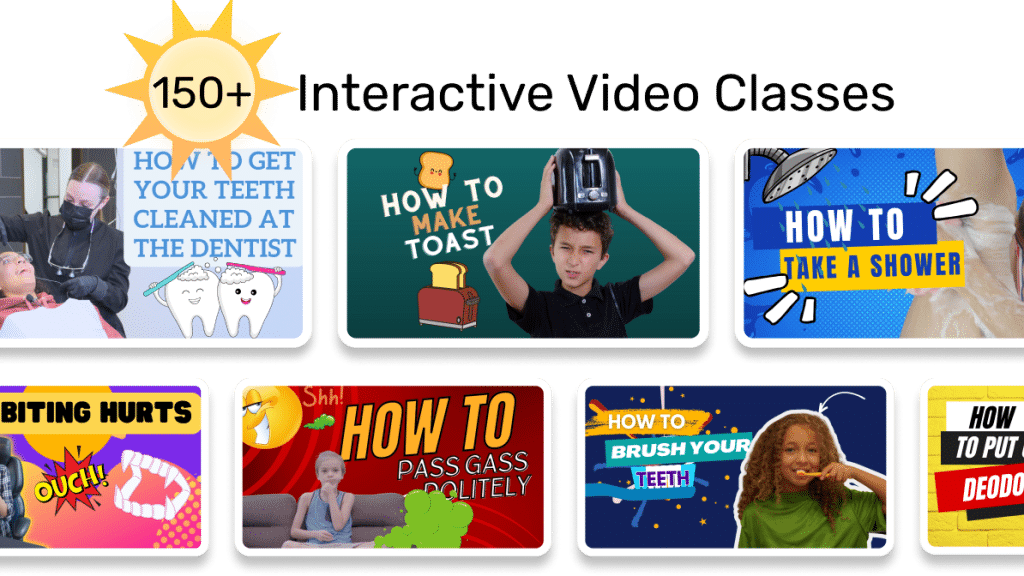
Our apps teach executive function, language, emotional regulation, finger dexterity skills, and more.
As your child develops new skills, you can increase the difficulty level of the tasks in the app to challenge and motivate them even further. This helps your child grow and progress at their own pace, while also keeping them engaged and excited about their development.
Cerebral palsy special education is a journey of growth, learning, and empowerment. It’s about creating an environment where every child can thrive, learn, and reach their full potential. From individualized education plans to adaptive technologies, from physical therapies to social support, each component plays a crucial role in supporting children with cerebral palsy in their educational journey. As we continue to advance in our understanding and approaches, I’m excited about the possibilities that lie ahead for these remarkable children. Remember, with the right support and resources, there’s no limit to what they can achieve.
Helpful Resources
FAQ’s About Cerebral Palsy Special Education
What is cerebral palsy education?
Cerebral palsy education refers to specialized teaching methods and programs designed to support students with cerebral palsy in their learning journey. These programs focus on addressing the unique physical, cognitive, and communication challenges associated with cerebral palsy while promoting academic and social development.

How does an Individualized Education Program (IEP) benefit students with cerebral palsy?
An IEP tailors the educational approach to the specific needs of a student with cerebral palsy, outlining personalized goals, accommodations, and support services. This customized plan ensures that the student receives appropriate assistance and modifications to access the curriculum effectively and make progress in their education.

What types of assistive technology are used in cerebral palsy education?
Assistive technology for students with cerebral palsy may include alternative keyboards, eye-gaze devices, speech-to-text software, and specialized educational apps. These tools help overcome physical barriers to learning and enable students to communicate, complete assignments, and participate more fully in classroom activities.

How are physical and occupational therapy integrated into cerebral palsy education?
Physical and occupational therapy are often provided within the school setting, helping students improve mobility, fine motor skills, and daily living activities. Therapists work closely with teachers to ensure that skills learned in therapy sessions are reinforced throughout the school day, supporting the student's overall educational experience.

What strategies are used to promote social inclusion for students with cerebral palsy?
Schools may implement buddy systems, social skills groups, and adapted extracurricular activities to foster social inclusion. Additionally, educating peers about cerebral palsy and promoting a culture of acceptance and understanding helps create a more inclusive environment for all students.

Emily is a seasoned blog writer for Goally, leveraging her extensive background in child psychology and special education to provide valuable insights and resources for parents. Her commitment to understanding and addressing the unique needs of these children, combined with her expertise in educational strategies, makes her a credible and empathetic voice for families.