Non-verbal cues for procedures help kids understand and cope with medical or daily routines without needing words. This guide explains how using non-verbal signals can make procedures smoother for neurodivergent kids and those with special needs.
Key Takeaways:
- Non-verbal cues reduce anxiety and improve cooperation during medical and daily procedures.
- These cues can include gestures, visual schedules, and sensory tools.
- Understanding non-verbal communication helps you better connect with your child.
- Non-verbal strategies are crucial for kids with communication challenges, like autism or speech delays.
Non-verbal cues for procedures are crucial because they help bridge the communication gap between kids and caregivers. Using gestures, visual aids, or sensory tools, these cues can ease anxiety, promote understanding, and make everyday tasks less stressful.
Table of Contents
Understanding Non-Verbal Cues for Procedures
Non-verbal cues are essential tools for communicating with kids, especially those with special needs. These cues include facial expressions, hand signals, body language, and visual aids. When words fall short, non-verbal cues can provide the guidance your child needs to feel safe and understood during procedures.
For instance, imagine preparing your child for a doctor’s visit. Instead of relying on verbal instructions, which can be overwhelming, you might use a sequence of pictures showing each step of the visit. This visual representation helps your child anticipate what’s next, reducing fear and resistance.
Benefits of Using Non-Verbal Cues
1. Reduces Anxiety and Stress
Many kids, especially those who are neurodivergent, can feel anxious during new or unfamiliar procedures. Non-verbal cues help create predictability, which is calming. For example, if a nurse uses a thumbs-up gesture to indicate everything is going well during a check-up, your child can feel more secure without needing words.
When my friend’s son, who is on the autism spectrum, was nervous about getting his blood drawn, the nurse used a light touch on his shoulder and a calm, slow hand motion to show the procedure would be gentle. That simple non-verbal reassurance made all the difference in keeping him calm.
2. Enhances Understanding
Not all kids process verbal information the same way, and this is particularly true for kids with learning disabilities or communication challenges. Non-verbal cues, like pointing or using flashcards, help clarify instructions and make the task at hand more accessible. For example, showing a visual schedule of brushing teeth can guide your child step-by-step through the process without causing confusion.
Kids often respond better to visuals and actions than to lengthy explanations. A gesture, like pointing to the bathroom, can instantly signal what’s next, making transitions smoother and more manageable for your child.

Read more: How to Improve Communication Skills in Kids
3. Promotes Cooperation
Getting kids to cooperate during procedures can be tricky, especially when they don’t fully grasp what’s happening. Non-verbal cues help signal expectations in a way that’s gentle and non-threatening. For example, using a timer with a visual countdown can help a child understand when it’s time to finish a task without verbal nagging.
Kids often mirror the non-verbal cues of adults around them. When you model calm, steady movements, your child is more likely to follow suit, making the whole procedure feel less like a struggle and more like a team effort.
Common Types of Non-Verbal Cues for Procedures
4. Visual Schedules
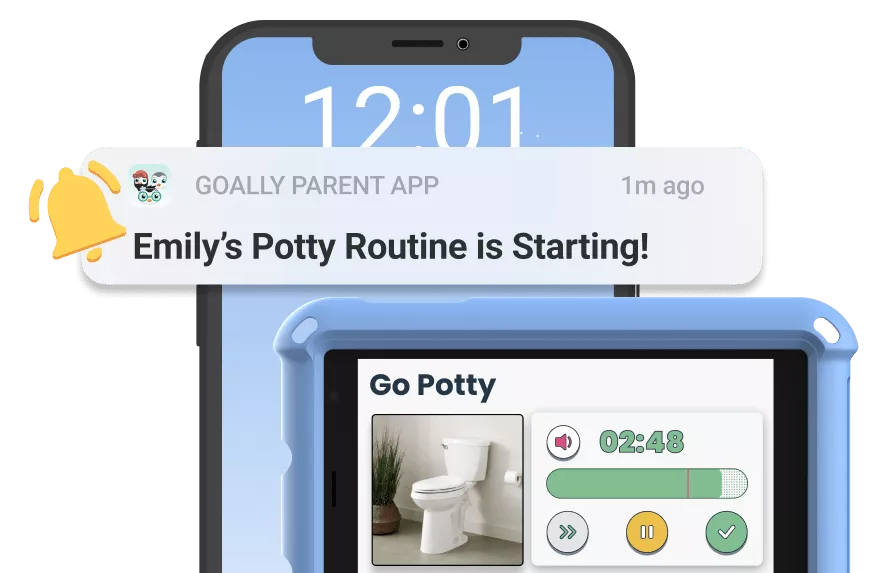
Visual schedules are a powerful tool, particularly for kids who thrive on routine. These are simple, picture-based timelines that show each step of an activity. Whether it’s a medical procedure or daily routine like getting dressed, visual schedules make tasks predictable and less intimidating.
For example, you might use a laminated chart with images of putting on socks, then shoes, to help your child get ready in the morning. This breaks the task into manageable steps, reducing resistance and increasing independence.
5. Gestures and Signals
Gestures like pointing, clapping, or using hand signals can be incredibly effective in guiding kids through procedures. They provide immediate, clear communication that doesn’t rely on verbal instructions. For instance, a simple hand wave can mean “stop” or “wait,” helping your child pause without feeling scolded.
Another effective gesture is the use of thumbs-up to indicate approval or completion of a task. This instant feedback helps kids feel acknowledged and motivated, especially during challenging procedures.
6. Sensory Tools
Sensory tools, such as fidget toys or weighted blankets, can act as non-verbal cues that provide comfort during stressful procedures. For kids with sensory processing challenges, these tools help manage overwhelming sensations, making the procedure more bearable.
For instance, a squishy toy can be a great distraction during a doctor’s appointment, helping your child focus on something calming rather than the procedure itself. Sensory tools can also signal that it’s time to calm down or take a break, providing a non-verbal cue to regulate emotions.
How to Implement Non-Verbal Cues at Home
Integrating non-verbal cues into your daily routines doesn’t have to be complicated. Here are some simple strategies to start:
- Use Pictures: Create visual aids for common tasks like brushing teeth or getting dressed. These can be simple drawings or printed images from the internet.
- Practice Gestures: Develop a set of hand signals that your child understands, like pointing to a quiet spot for a calm-down area.
- Incorporate Sensory Tools: Use fidget toys or calming objects during stressful moments to help your child stay focused and relaxed.
Adapting Non-Verbal Cues for Different Settings
7. Medical Procedures
Medical settings can be particularly overwhelming for kids. To help, you can use non-verbal cues to prepare them. For example, before a vaccination, you might use a picture sequence showing sitting in the chair, the nurse preparing the needle, and getting a fun sticker afterward. This prepares your child mentally without overloading them with verbal explanations.
Non-verbal cues in medical settings can include holding your child’s hand, maintaining eye contact, or gently guiding their body to the right position. These actions provide reassurance and clear instructions without the need for words.
8. School Environments
In school, non-verbal cues can help kids understand classroom expectations without feeling singled out. Teachers might use visual timers, gesture-based signals like raising a hand for quiet, or even color-coded cards to indicate behavior expectations.
As a parent, you can reinforce these cues at home, creating consistency between school and home environments. For example, if the teacher uses a stop sign symbol for breaks, you can implement the same signal during homework time, helping your child understand when it’s time to pause.
Best Parent-Approved AAC App:

Goally comes with an easy-to-use, fully customizable AAC device to help kids communicate. If you’re on a waitlist, this is the fastest way to get your child access to an AAC Talker and start communicating!
Non-verbal cues for procedures are more than just helpful—they’re essential for kids with communication challenges. They offer a silent yet powerful way to connect, guide, and reassure your child during various tasks and routines. By understanding and incorporating these cues, you can make everyday procedures smoother, less stressful, and more collaborative. Start small, be consistent, and watch how these non-verbal strategies can transform your daily interactions.
Helpful Resources
FAQ’s About Non-Verbal Cues for Procedures
What are non-verbal cues for procedures?
Non-verbal cues are signals like gestures, visual aids, or sensory tools used to guide kids through procedures without words.

Why are non-verbal cues important for kids with special needs?
They help reduce anxiety, improve understanding, and increase cooperation, especially for kids who struggle with verbal communication.

How can I use non-verbal cues at home?
Use pictures, simple hand signals, and sensory tools like fidget toys to guide and comfort your child during daily routines.

Can non-verbal cues be used in medical settings?
Yes, cues like visual schedules, gentle touch, and calm hand movements help kids feel more secure during medical procedures.

Emily is a seasoned blog writer for Goally, leveraging her extensive background in child psychology and special education to provide valuable insights and resources for parents. Her commitment to understanding and addressing the unique needs of these children, combined with her expertise in educational strategies, makes her a credible and empathetic voice for families.