Working with kids is always a joy, especially when you see their eyes light up with excitement as they discover something new. But, it can be particularly rewarding to help gifted students reach their full potential. You might be wondering, “What are the accommodations for gifted students?” This blog will dive into this topic, exploring various strategies and adjustments that can be made to support these exceptional learners. By understanding these accommodations, you can help your child thrive both academically and socially.
Table of Contents
Grouping Gifted Students
One of the most effective accommodations for gifted students is grouping. By placing gifted students together, we can provide them with the challenge and stimulation they need. This strategy not only helps them develop academically but also socially, as they interact with peers who share similar abilities and interests.
Flexible grouping is another variation that allows gifted students to work with a variety of peers. This can be particularly beneficial, as it encourages them to explain concepts to lower-achieving students, reinforcing their own understanding in the process. According to a study by the National Association for Gifted Children, flexible grouping can significantly enhance learning outcomes for all students involved.
Goally | The Tablet for Neurodiverse Kids
Tiered Assignments
Tiered assignments are a fantastic way to cater to the diverse needs of students in a classroom. This approach involves offering the same assignment at varying levels of difficulty. By doing so, gifted students can engage with material that is appropriately challenging, allowing them to demonstrate their understanding at a higher level.
For example, while all students might be working on a science project, the tasks for gifted students could involve more complex experiments or in-depth research. This method ensures that every student is working at their optimal level, fostering a more inclusive learning environment.
Project-Based Learning
Project-based learning (PBL) is another excellent accommodation for gifted students. PBL challenges students with different abilities and interests, often covering multiple subjects within one project. This type of learning is engaging and allows gifted students to explore topics more deeply.
By participating in project-based learning, students can develop critical thinking and problem-solving skills. For instance, a project on environmental science might include elements of biology, chemistry, and even social studies, providing a comprehensive educational experience. According to Edutopia, PBL can lead to improved retention of content and higher levels of student motivation.

Read more: Modifications vs Accommodations
Accelerated Instruction
Accelerated instruction allows gifted students to progress through an educational program at a faster rate or at a younger age than their peers. This can be done through grade skipping, early entrance to school, or by taking advanced courses earlier than usual.
This approach can be highly beneficial, as it keeps gifted students engaged and prevents them from becoming bored with material they have already mastered. However, it is crucial to ensure that accelerated students receive the necessary social and emotional support to navigate their advanced placement successfully.
Assessments
Regular assessments play a vital role in identifying gifted students’ potential and needs, monitoring their progress, and evaluating gifted education programs. These assessments can help tailor educational plans to each student’s unique abilities.
For instance, standardized tests, teacher observations, and performance-based assessments can all provide valuable insights into a student’s strengths and areas for growth. The Davidson Institute highlights that continuous assessment is key to developing effective educational strategies for gifted learners.

Offer the Most Difficult First
A useful strategy for engaging high-ability students is to offer them the most difficult problems first. If they can solve these correctly, they can move on to even more challenging tasks. This method ensures that gifted students are continuously stimulated and not wasting time on tasks that do not challenge them.
This approach not only saves time but also keeps students motivated by providing a constant stream of challenging work. It encourages a growth mindset, as students learn to embrace and enjoy challenges.
Extracurricular Activities
Extracurricular activities can provide gifted students with additional learning experiences that help develop their intelligence, creativity, and social skills. Activities such as debate clubs, science fairs, and music lessons offer avenues for gifted students to explore their interests and talents.
According to the American Psychological Association, participation in extracurricular activities is linked to higher academic performance and better psychological well-being. These activities allow gifted students to connect with peers who share their interests, fostering a sense of community and belonging.
Other Accommodations
In addition to the strategies mentioned above, there are several other accommodations that can benefit gifted students. These include:
- Allowing students to move between groups and tasks at their own pace
- Providing an adult mentor with similar interests
- Offering alternatives for students who finish their work early
- Helping students set their own learning goals
- Creating contracts that outline tasks, concepts, and evaluation techniques
These accommodations can help ensure that gifted students remain engaged and motivated, allowing them to reach their full potential.
Goally | Apps To Support Child Development
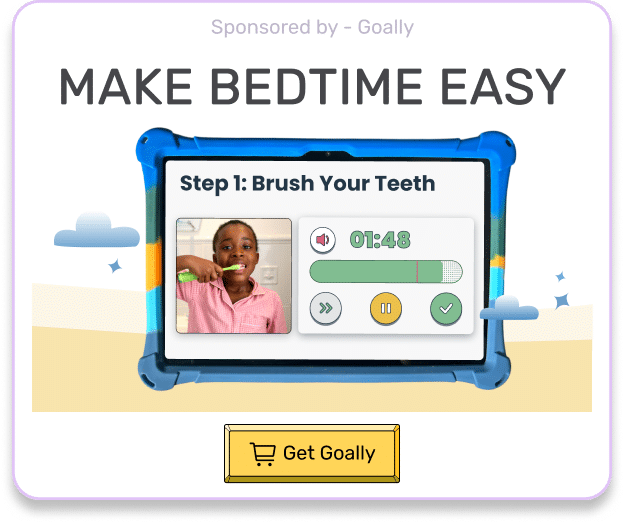
Looking for fun ways to help your child learn life skills? Try Goally! The Goally tablet comes with award-winning learning apps and video classes to help kids develop the skills they need to become independent with FUN & evidence-based practices.
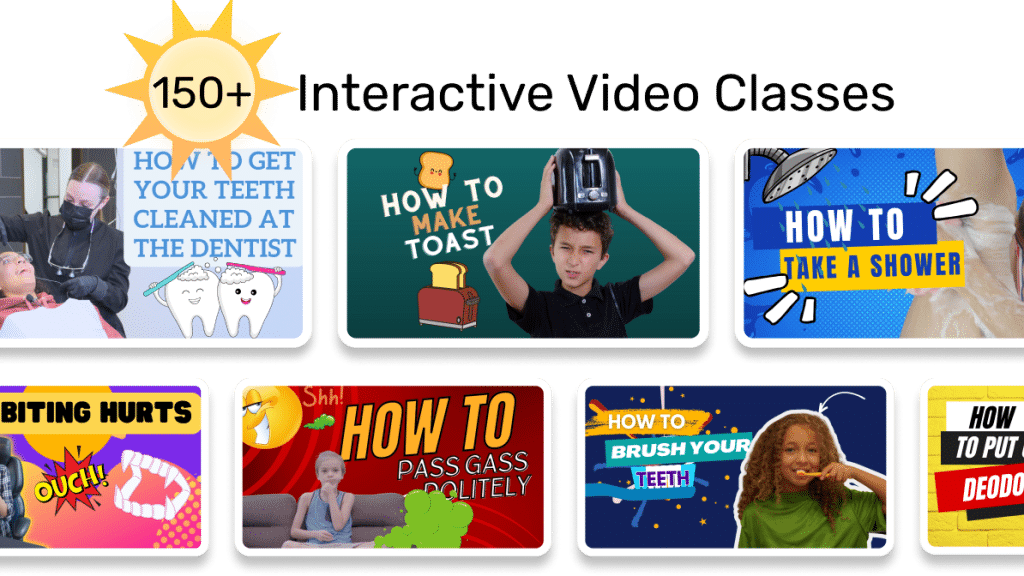
Our apps teach executive function, language, emotional regulation, finger dexterity skills, and more.
As your child develops new skills, you can increase the difficulty level of the tasks in the app to challenge and motivate them even further. This helps your child grow and progress at their own pace, while also keeping them engaged and excited about their development.
Accommodating gifted students requires thoughtful strategies and adjustments that cater to their unique needs. By grouping students, offering tiered assignments, engaging them in project-based learning, accelerating instruction, conducting regular assessments, challenging them with difficult tasks first, and providing extracurricular opportunities, we can help these students thrive. These accommodations not only support their academic growth but also foster their social and emotional development. Implementing these strategies can make a significant difference in the lives of gifted students, helping them to achieve their full potential.
Helpful Resources
- National Association for Gifted Children (NAGC)
- Davidson Institute for Talent Development
- American Psychological Association (APA)
FAQ’s About Accommodations for Gifted Students
What are some effective accommodations for gifted students?
Grouping gifted students together can provide more challenge and stimulation, while flexible grouping allows them to work with a variety of peers.

How can tiered assignments benefit gifted students?
Tiered assignments allow students to complete the same task at different difficulty levels, helping them demonstrate their understanding in a more challenging way.

What is project-based learning and why is it good for gifted students?
Project-based learning engages students with different abilities and interests by covering multiple subjects in one project, fostering deeper understanding and critical thinking skills.

How does accelerated instruction support gifted students?
Accelerated instruction lets students progress through educational programs faster, keeping them engaged and preventing boredom with material they have already mastered.

Why are extracurricular activities important for gifted students?
Extracurricular activities offer gifted students additional learning experiences, helping to develop their intelligence, creativity, and social skills.

Emily is a seasoned blog writer for Goally, leveraging her extensive background in child psychology and special education to provide valuable insights and resources for parents. Her commitment to understanding and addressing the unique needs of these children, combined with her expertise in educational strategies, makes her a credible and empathetic voice for families.