Culturally responsive teaching empowers neurodivergent kids by valuing their unique strengths and experiences. Discover how this inclusive approach fosters a supportive learning environment where every child can thrive.
Key Takeaways
- Empowerment: Culturally responsive teaching boosts self-esteem by reflecting diverse experiences in the curriculum.
- Engagement: Incorporating diverse materials and perspectives enhances motivation and learning for neurodivergent kids.
- Support: Building positive relationships and promoting social-emotional development are key benefits.
What is culturally responsive teaching, and why is it important for neurodivergent kids?
Culturally responsive teaching is an approach that values diverse cultural backgrounds, promoting inclusivity and supporting neurodivergent kids by reflecting their experiences and strengths in the learning process.
Table of Contents
Defining Culturally Responsive Teaching
First, let’s clarify what culturally responsive teaching is. It’s an educational approach that acknowledges and embraces the diverse cultural backgrounds of students. By incorporating students’ unique experiences and perspectives into the learning process, culturally responsive teaching fosters a sense of belonging and promotes academic success. For neurodivergent kids, this approach can be especially empowering, as it recognizes and values their individual strengths and needs.
Key Components of Culturally Responsive Teaching

Read more: What is the Social Model of Disability?
To better understand, let’s break down the essential elements of culturally responsive teaching:
- Respecting diversity: Acknowledging and celebrating the cultural, linguistic, and experiential differences among students.
- Inclusive curriculum: Integrating diverse perspectives and materials into the learning process.
- Responsive instruction: Adapting teaching methods to accommodate the unique needs and strengths of all students, including neurodivergent kids.
- Positive relationships: Building trust and rapport with students and their families through open communication and collaboration.
By incorporating these components, culturally responsive teaching creates an inclusive and supportive learning environment for all students, including those with thinking and learning differences.
Why Culturally Responsive Teaching Matters for Neurodivergent Kids
Now that we’ve defined culturally responsive teaching let’s explore its significance for kids with thinking and learning differences. Above all, this approach fosters an inclusive learning environment that empowers neurodivergent kids to thrive academically and socially. Here’s how:
1. Enhances Self-Esteem and Confidence
When neurodivergent kids see their unique experiences and strengths reflected in the curriculum, they feel valued and respected. This validation boosts their self-esteem and confidence, which are crucial for academic success and personal growth.
For example, a teacher might include books featuring characters with diverse abilities or create assignments that allow students to showcase their unique skills. This sends a powerful message to neurodivergent kids that their strengths and experiences are valued.
2. Promotes Engagement and Motivation
By incorporating diverse perspectives and materials, culturally responsive teaching makes learning more relevant and engaging for all students. For neurodivergent kids, this approach can spark their curiosity and motivation to learn, leading to improved academic performance.
For instance, a teacher might use multimedia resources, such as videos, podcasts, or interactive games, to present information in different ways. This can help neurodivergent kids stay engaged and motivated, as they can choose the format that best suits their learning style.
3. Supports Social-Emotional Development
Culturally responsive teaching fosters positive relationships among students, teachers, and families. For kids with thinking and learning differences, these connections can be especially beneficial, as they promote social-emotional development and a sense of belonging.
Teachers can facilitate this by creating opportunities for students to collaborate and learn from one another, as well as by maintaining open communication with families. This helps build a supportive community where neurodivergent kids can thrive.
Implementing Culturally Responsive Teaching for Neurodivergent Kids
So, how can you ensure that your child’s learning environment embraces culturally responsive teaching? Here are some practical strategies to consider:
1. Advocate for Inclusive Curriculum and Instruction
Encourage your child’s school to adopt a curriculum that reflects diverse perspectives and experiences. Advocate for instructional methods that accommodate the unique needs and strengths of neurodivergent kids, such as differentiated instruction and Universal Design for Learning (UDL).

Read more: Why is Culturally Responsive Teaching Important?
Goally can help you track your child’s progress and communicate their needs to educators, making it easier for you to advocate for culturally responsive teaching practices in the classroom.
2. Collaborate with Educators and Support Staff
Build strong relationships with your child’s teachers and support staff to ensure they understand your child’s unique needs and strengths. Share resources and strategies that can help them implement culturally responsive teaching practices in the classroom.
With Goally, you can easily share your child’s progress and insights with educators, fostering collaboration and supporting the implementation of culturally responsive teaching.
3. Foster Cultural Awareness at Home
Model respect for diversity and promote cultural awareness within your family. Encourage open conversations about different cultures, experiences, and perspectives, and explore diverse books, movies, and other resources with your child.
By fostering cultural awareness at home, you can help create a supportive environment that complements the culturally responsive teaching practices in your child’s classroom.
Goally | Apps To Support Child Development
Looking for fun ways to help your child learn life skills? Try Goally! The Goally tablet comes with award-winning learning apps and video classes to help kids develop the skills they need to become independent with FUN & evidence-based practices.
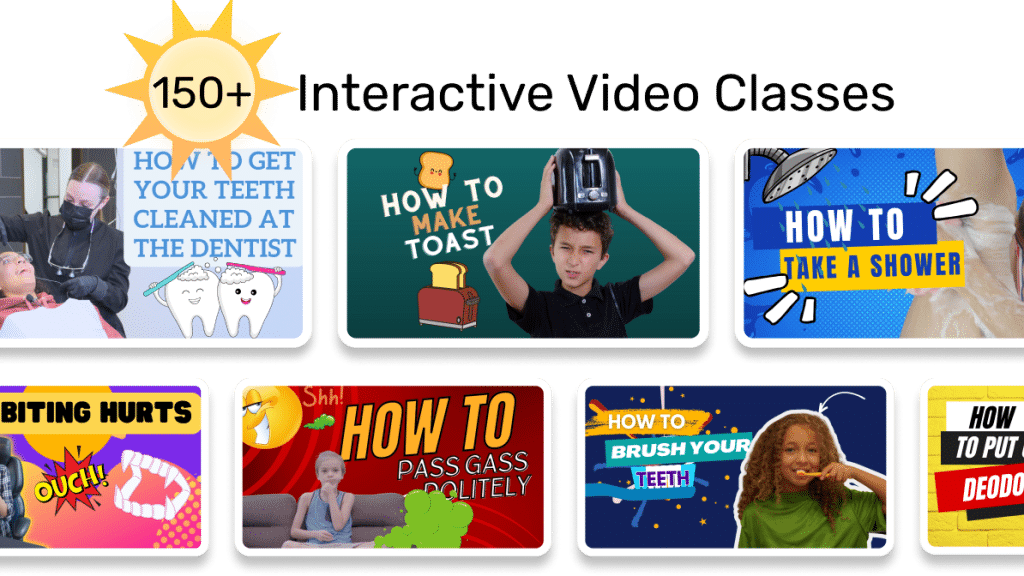
Our apps teach executive function, language, emotional regulation, finger dexterity skills, and more.
As your child develops new skills, you can increase the difficulty level of the tasks in the app to challenge and motivate them even further. This helps your child grow and progress at their own pace, while also keeping them engaged and excited about their development.
In short, culturally responsive teaching is a powerful approach that can unlock the full potential of neurodivergent kids. By advocating for inclusive curriculum and instruction, collaborating with educators, and fostering cultural awareness at home, you can help create a learning environment where your child feels valued, understood, and supported. With the help of Goally, you can track your child’s progress and communicate their needs, making it easier to advocate for culturally responsive teaching practices. Remember, when we embrace and celebrate diversity, we empower all students to thrive.
Helpful Resources
FAQ’s About Culturally Responsive Teaching
What is culturally responsive teaching?
Culturally responsive teaching is an approach that incorporates students' cultural backgrounds into the learning process to make education more inclusive and effective.

Why is culturally responsive teaching important?
It helps create an inclusive environment where all students feel valued and supported, leading to better academic outcomes.

How does culturally responsive teaching benefit neurodivergent kids?
It recognizes and celebrates their unique strengths, improving engagement and fostering a sense of belonging.

What are the key components of culturally responsive teaching?
Key components include respecting diversity, inclusive curriculum, responsive instruction, and building positive relationships.

How can parents advocate for culturally responsive teaching?
Parents can advocate by collaborating with educators, promoting inclusive curriculum, and fostering cultural awareness at home.
This post was originally published on 05/16/2023. It was updated on 08/21/2024.

Emily is a seasoned blog writer for Goally, leveraging her extensive background in child psychology and special education to provide valuable insights and resources for parents. Her commitment to understanding and addressing the unique needs of these children, combined with her expertise in educational strategies, makes her a credible and empathetic voice for families.