As a licensed practitioner who works with kids, I’ve seen firsthand how creating a dedicated calming corner can make a world of difference for children, especially those with special needs or learning differences. A calming corner is a designated space in your home where your child can relax, unwind, and regulate their emotions. It’s a safe haven that provides a sense of security and comfort, helping them to manage stress and anxiety. In this article, I’ll share 10 calming corner ideas that you can easily implement to support your child’s emotional well-being and help them develop important self-regulation skills.
Table of Contents
1. Soft Lighting
One of the key elements of a successful calming corner is soft, soothing lighting. Harsh overhead lights can be overstimulating and may increase anxiety. Instead, opt for string lights, a soft lamp, or a light projector that displays calming images on the wall. This gentle illumination helps create a relaxing atmosphere that encourages your child to unwind and feel at ease.
According to a study published in the Journal of Autism and Developmental Disorders, children with autism spectrum disorder (ASD) often have sensory processing difficulties, which can make them more sensitive to bright or flickering lights. By incorporating soft lighting in your child’s calming corner, you create an environment that caters to their sensory needs and promotes relaxation.
2. Comfortable Seating
A cozy place to sit or lie down is essential for any calming corner. Consider adding a bean bag chair, a soft floor cushion, or even a small tent filled with pillows and blankets. The goal is to provide a space where your child feels secure and can comfortably retreat when they need a break from the world.
I once worked with a family whose 7-year-old son struggled with anxiety and sensory overload. We created a calming corner in his bedroom with a plush bean bag chair and a weighted blanket. The boy quickly took to the space, often curling up in the chair with his blanket whenever he felt overwhelmed. His parents noticed a significant improvement in his ability to self-regulate and manage his emotions.
3. Sensory Items
Sensory items are necessary for any calming corner, particularly for children with sensory processing issues. These can include things like:
- Tactile objects (e.g., stress balls, fidget toys, soft brushes)
- Visual stimuli (e.g., glitter jars, kaleidoscopes, bubble tubes)
- Auditory aids (e.g., white noise machines, rain sticks, calming music)
- Olfactory items (e.g., scented playdough, lavender sachets)
By providing a variety of sensory items, you give your child the tools they need to self-regulate and find a sense of calm when they’re feeling overwhelmed or anxious.
4. Visual Cues
Visual cues can benefit kids with learning differences or those who struggle with emotional regulation. Consider adding posters or printables illustrating deep breathing techniques, yoga poses, or emotional faces to help your child identify and manage feelings. You can also create a visual schedule or routine chart to provide structure and predictability, which can be especially beneficial for children with ASD or ADHD.
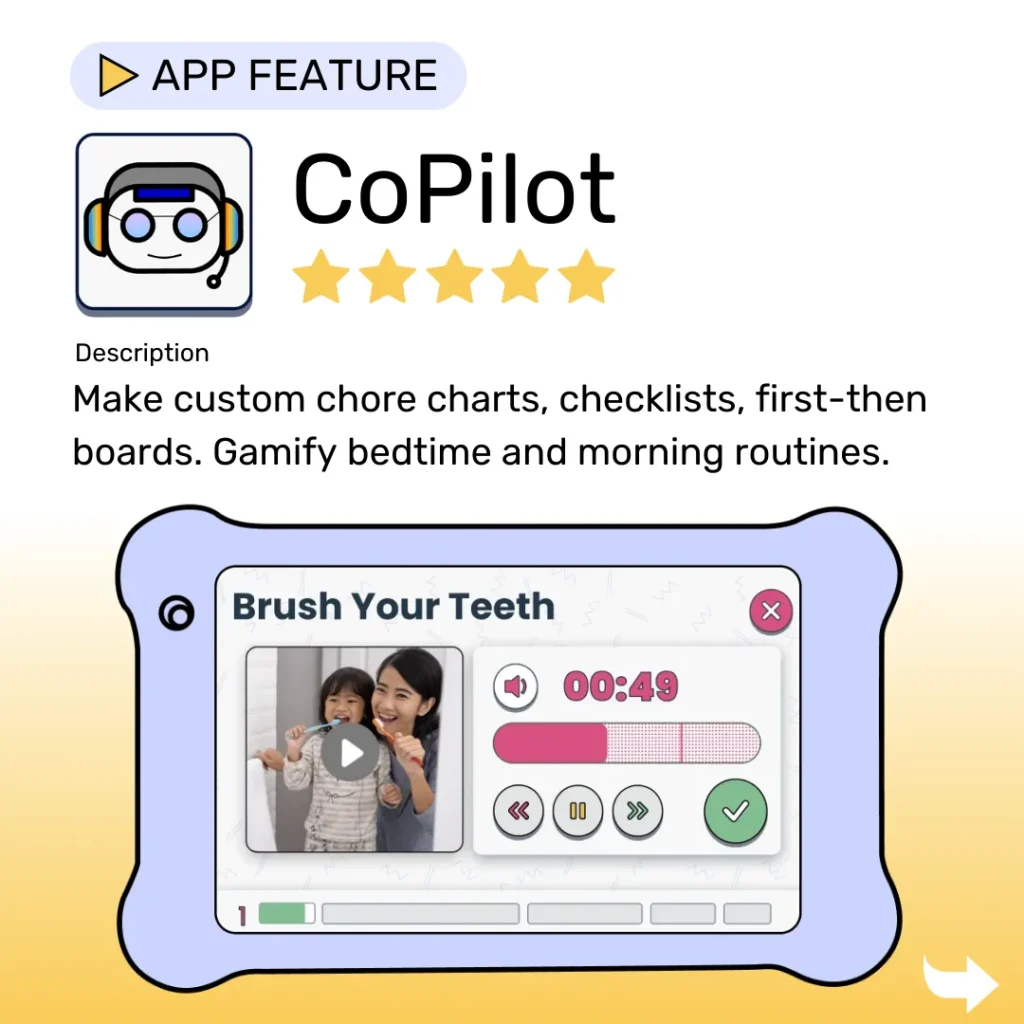
A study published in the Journal of Positive Behavior Interventions found that visual supports can be effective in reducing anxiety and promoting self-regulation in children with ASD. Incorporating visual cues in your child’s calming corner gives them valuable tools to help them navigate their emotions and feel more in control.
5. Fidgets
Fidgets are small, handheld objects that help children stay focused, calm, and regulated. These can include stress balls, putty, or even simple toys like a Rubik’s cube or a fidget spinner. Having a variety of fidgets available in your child’s calming corner can provide a much-needed distraction and help them positively channel their energy.
I once worked with a young girl who struggled with anxiety and had difficulty sitting still. We introduced a series of fidgets into her calming corner, and she quickly gravitated toward a small maze puzzle. Whenever she felt anxious or restless, she would retreat to her corner and work on the puzzle, which helped her calm down and refocus.
6. Sensory Bottles
Sensory bottles, also known as calm-down jars, are a simple yet effective tool for promoting relaxation and reducing anxiety. These bottles are filled with water, glitter, and other small objects that move slowly when the bottle is turned or shaken. The gentle movement of the contents can be mesmerizing and help your child focus their attention, effectively calming their mind and body.

Read more: How to Calm Down a Hyper Child
You can easily make sensory bottles at home using clear plastic bottles, water, glycerin, and various small objects like glitter, beads, or sequins. Involve your child in creating their sensory bottle, as this can help them feel more connected to the tool and more likely to use it when needed.
7. Breathing Cards
Deep breathing is a powerful technique for reducing stress and promoting relaxation. Breathing cards are a great way to teach your child different breathing exercises and encourage them to practice these techniques regularly. You can find printable breathing cards online or create your own using index cards and markers.
Each card should illustrate a specific breathing exercise, such as square breathing (inhaling for four counts, holding for four counts, exhaling for four counts, and holding for four counts) or bubble breathing (pretending to blow bubbles with each exhale). Please encourage your child to choose a breathing card whenever they feel anxious or overwhelmed and practice the exercise together.
8. Mindfulness Cards
Mindfulness is being present and fully engaged in the current moment. It’s a valuable skill that can help children manage stress, anxiety, and other big emotions. Mindfulness cards offer simple, kid-friendly mindfulness exercises your child can practice in their calming corner.
| Mindfulness Exercise | Description |
|---|---|
| Five Senses Check-In | Encourage your child to notice and name five things they can see, four things they can touch, three things they can hear, two things they can smell, and one thing they can taste. |
| Body Scan | Have your child lie down and guide them through a body scan, focusing on each part of their body and noticing any sensations or feelings. |
| Heartbeat Exercise | Ask your child to place their hand on their heart and feel their heartbeat. Please encourage them to focus on the sensation and notice how their heartbeat changes as they breathe deeply. |
9. Stress Balls
Stress balls are a classic tool for relieving tension and promoting relaxation. When squeezed, these small, squishy balls fit perfectly in a child’s hand and provide a satisfying sensory experience. Stress balls can help your child release pent-up energy and reduce feelings of anxiety or frustration.
You can find stress balls in various textures, colors, and sizes, making it easy to find one that appeals to your child’s preferences. Some stress balls have added features like a calming scent or a soft, fuzzy exterior for extra sensory input.
10. Stuffed Animals
Never underestimate the power of a beloved stuffed animal. For many kids, a soft, cuddly plush toy can provide comfort and security, making it an essential addition to any calming corner. Please encourage your child to choose a stuffed animal they feel particularly connected to, and ensure it’s always available in their special space.
I remember working with a young boy who struggled with separation anxiety. He found great comfort in a small, soft teddy bear named “Brave Bear.” Whenever anxious or worried, he would retreat to his calming corner and snuggle with Brave Bear, which helped him feel safe and secure. The stuffed animal became a powerful tool in his emotional regulation toolkit.
Goally | Kid’s Tablet for Building Emotional Regulation Skills
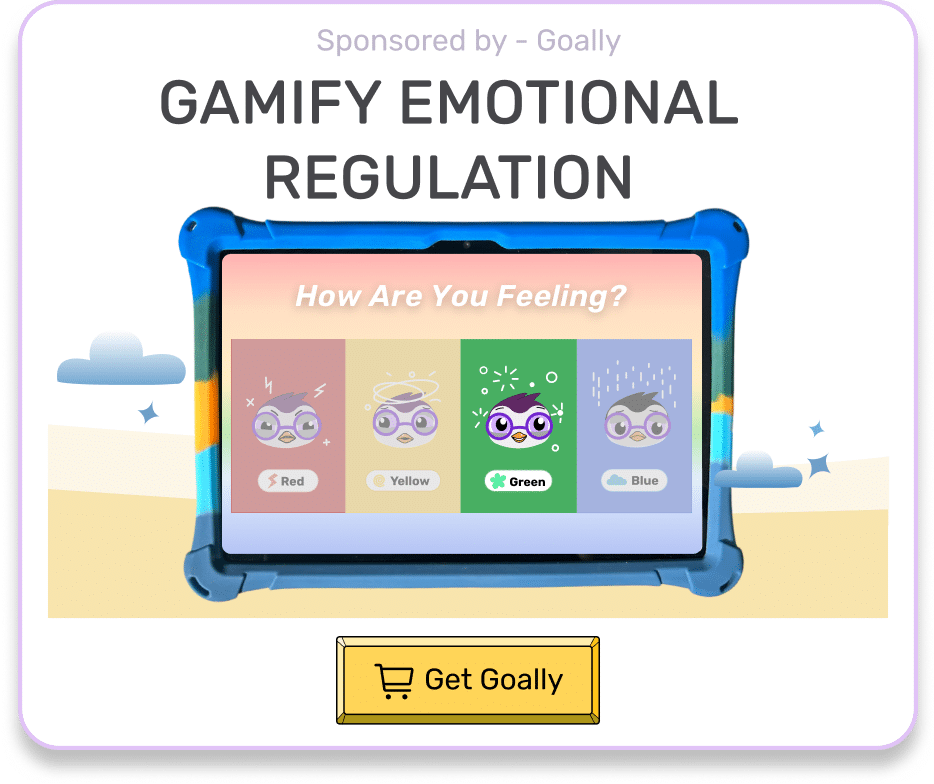
Is your child struggling with understanding and managing their emotions? Goally teaches emotional regulation skills in a fun and interactive way!
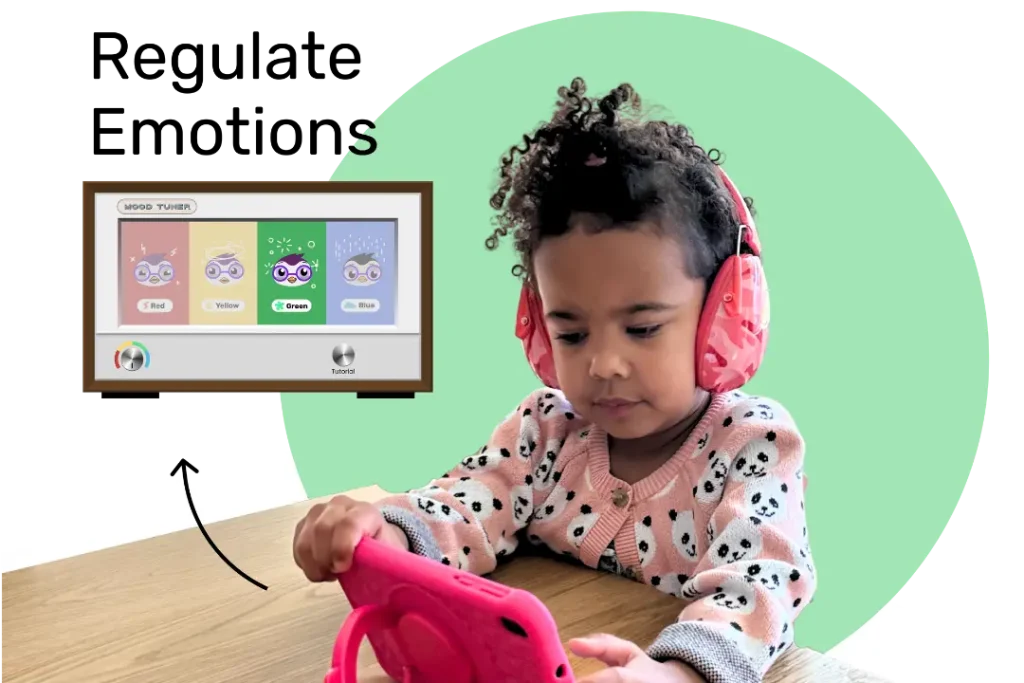
The Mood Tuner app encourages kids to look inwards and identify their feelings, helping them understand what’s going on inside. Once they’ve recognized their emotions, they can choose from a variety of exercises designed to help them self-regulate and find their balance.
Creating a calming corner for your child is a simple yet effective way to support their emotional well-being and help them develop important self-regulation skills. By incorporating these 10 ideas and tailoring the space to your child’s unique needs and preferences, you’ll provide them with a valuable resource they can turn to whenever they feel overwhelmed or anxious. Remember, the goal is to create a safe, comforting space where your child can relax, recharge, and find inner peace.
Helpful Resources
If you’re looking for more information and ideas on creating a calming corner for your child, check out these helpful resources:
- Understood.org – A website dedicated to supporting parents of children with learning and thinking differences.
- The Sensory Spectrum – A blog that offers tips and strategies for supporting children with sensory processing issues.
- GoNoodle – A website that provides fun, interactive videos and activities to help kids move, relax, and manage their emotions.
FAQ’s About Calming Corner Ideas
What is a calming corner?
A calming corner is a designated space in your home where your child can go to relax, unwind, and regulate their emotions. It provides a safe haven that helps them manage stress and anxiety.

How do I create a calming corner for my child?
To create a calming corner, choose a quiet, comfortable space in your home and fill it with items that promote relaxation, such as soft lighting, cozy seating, sensory items, and visual cues. Tailor the space to your child's unique needs and preferences.

What are some essential elements of a calming corner?
Essential elements of a calming corner include soft lighting, comfortable seating, sensory items (e.g., fidgets, sensory bottles, stress balls), visual cues (e.g., breathing cards, mindfulness cards), and comforting objects like stuffed animals. These items work together to create a soothing environment that helps your child feel safe and secure.

How can a calming corner help my child with emotional regulation?
A calming corner provides a dedicated space for your child to practice self-regulation techniques, such as deep breathing, mindfulness, and sensory exploration. By using the tools and resources available in their calming corner, your child can learn to manage their emotions and find a sense of inner peace.

What age is appropriate for introducing a calming corner?
Calming corners can be beneficial for children of all ages, but they are particularly useful for kids between the ages of 3 and 12. By introducing a calming corner early on, you can help your child develop important emotional regulation skills that will serve them well throughout their life.

Emily is a seasoned blog writer for Goally, leveraging her extensive background in child psychology and special education to provide valuable insights and resources for parents. Her commitment to understanding and addressing the unique needs of these children, combined with her expertise in educational strategies, makes her a credible and empathetic voice for families.