Imagine You’re at the park, watching your little one joyfully chase after a butterfly. Their laughter fills the air, a melody you could listen to forever. But then, you notice something. They’re not responding to their name, not turning when you call. You’ve noticed other things, too — they don’t make eye contact like other kids do, and they seem to have their own unique way of playing with toys. Suddenly, you’re not just a parent at the park but a parent with questions. That’s where I come in. This blog post will explore the early signs and symptoms of autism in infants, offering a comprehensive guide to understanding your child’s unique world. From recognizing the initial indicators to understanding the following steps, this post will give you the knowledge you need to navigate this journey confidently. No clichés, no fluff — just real, actionable information. So, let’s get started.
Table of Contents
Recognizing the Early Signs
Firstly, it’s important to understand that every child is unique — especially when it comes to neurodivergent kids. They each have their own way of interacting with the world, which makes them so special. However, certain signs could indicate autism in infants. These signs are often subtle and easily overlooked, so being observant is crucial.
For instance, you might notice that your child has limited speech or difficulty following verbal instructions. This could manifest as a delay in babbling or talking or an inability to understand simple commands. Moreover, they might show little interest in imaginative play or interacting with other children. Instead, they might prefer to play alone or engage in repetitive play patterns.
Goally | The Tablet for Neurodiverse Kids
Spotting Unusual Behaviors
Conversely, some behaviors are unusual. Your child might insist on routines being followed to the letter — any changes could lead to intense distress. Similarly, they might avoid eye contact or lack gesturing or pointing. This can make it difficult for them to communicate their needs or share their interests with you.
Further, the absence of joint attention — the ability to focus on what another person is focused on — is another common sign. For example, if you point at a bird in the sky, your child might not follow your gaze or show any interest in what you’re pointing at.
Understanding Sensory Differences
Subsequently, sensory differences are also a key part of autism in infants. You might notice your child doesn’t respond to hearing their name or seems disinterested in certain sounds. They might rarely smile when approached by caregivers or rarely try to imitate sounds and movements others make. This isn’t because they’re not interested in you — they’re just experiencing the world uniquely.
During this time, it’s important to remember that these signs don’t necessarily mean your child has autism. They’re simply indicators that your child might be neurodivergent. If you notice these signs, the next step is to seek a professional opinion.
Seeking Professional Help
Most importantly, if you’re noticing these signs in your child, it’s crucial to consult with a healthcare professional. They can provide a comprehensive evaluation and guide you on the next steps. Above all, remember that early intervention can make a significant difference in helping neurodivergent kids reach their full potential.
Goally | Apps To Support Child Development
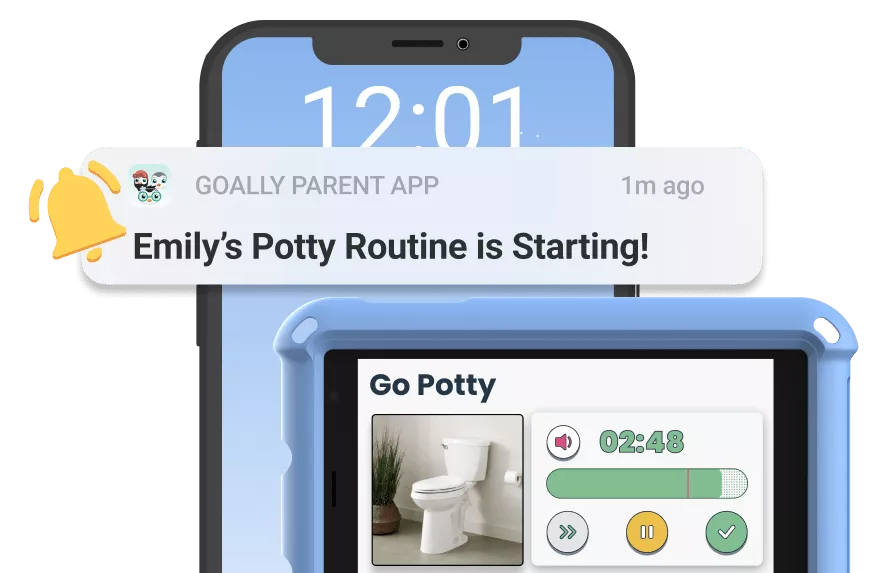
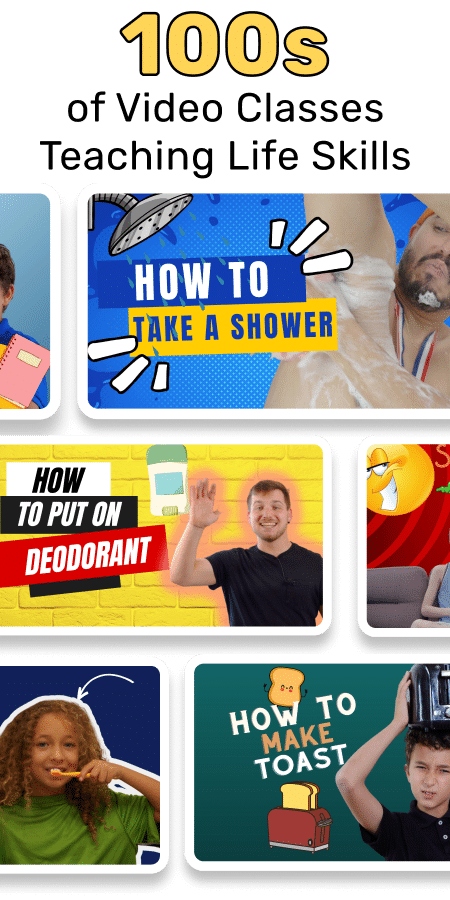
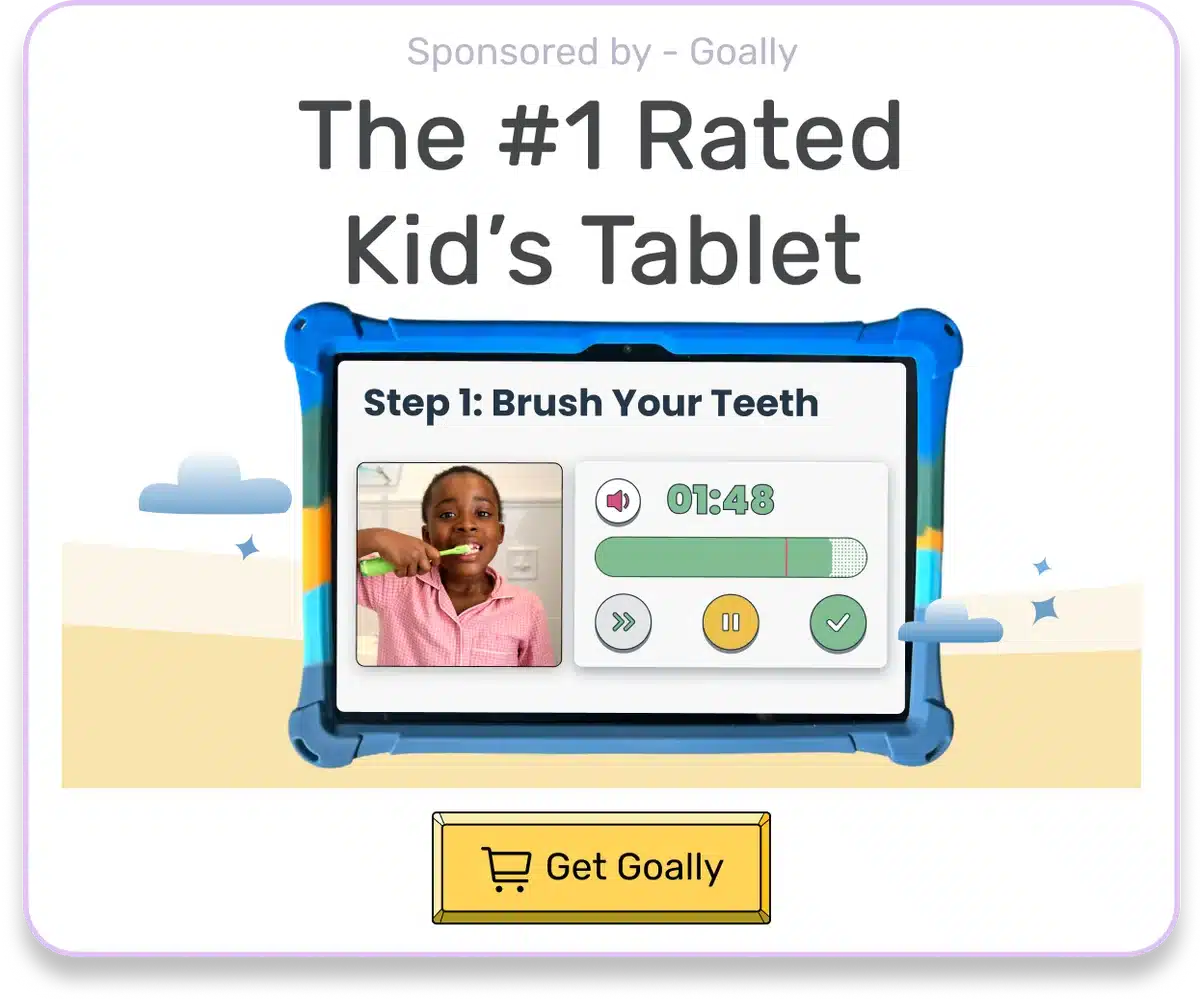
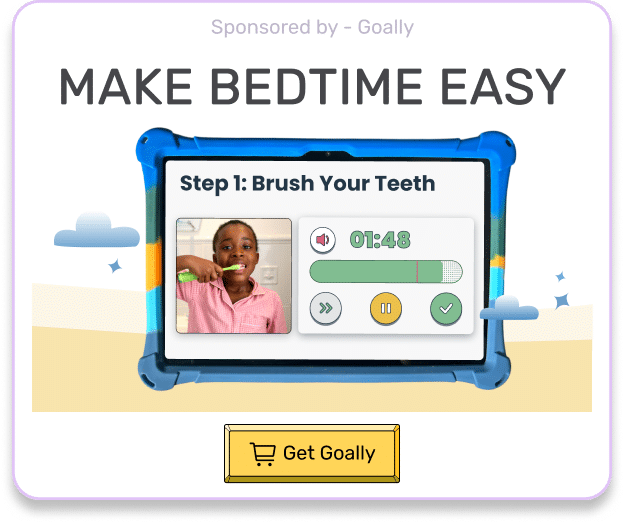
Looking for fun ways to help your child learn life skills? Try Goally! The Goally tablet comes with award-winning learning apps and video classes to help kids develop the skills they need to become independent with FUN & evidence-based practices.
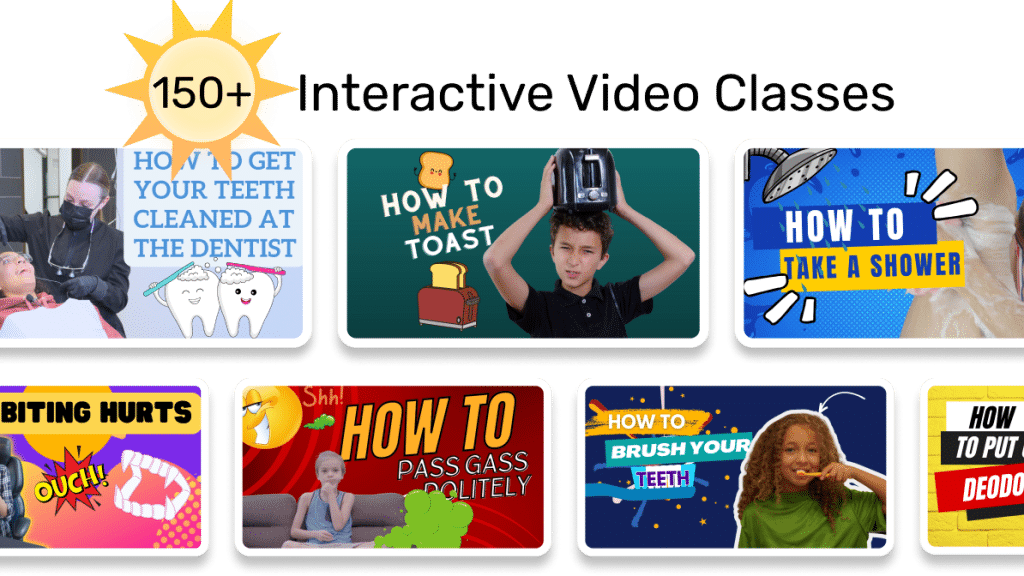
Our apps teach executive function, language, emotional regulation, finger dexterity skills, and more.
As your child develops new skills, you can increase the difficulty level of the tasks in the app to challenge and motivate them even further. This helps your child grow and progress at their own pace, while also keeping them engaged and excited about their development.
In short, recognizing the early signs of autism in infants — such as limited speech, difficulty following instructions, and unusual behaviors — can empower you as a parent. Understanding these signs is not about labeling your child but about gaining insights into their unique world. By seeking professional help early, you can ensure your child gets the support they need to thrive. Remember, you’re not alone on this journey. With knowledge, understanding, and the right resources, you can provide the best care for your neurodivergent child.
FAQ’s About Autism in Infants Signs & Symptoms
What are some early signs of autism in infants?
Early signs can include limited speech, difficulty following verbal instructions, little interest in imaginative play, and unusual behaviors like insisting on routines.

How can I tell if my child is avoiding eye contact?
You might notice your child not looking at you when you speak or not following your gaze when you point at something.

What does it mean if my child doesn't respond to their name?
It could be a sign of autism if your child doesn't turn or look when their name is called, especially if they seem disinterested in certain sounds.

What should I do if I notice these signs in my child?
If you notice these signs, it's important to consult with a healthcare professional for a comprehensive evaluation.

How can early intervention help my child?
Early intervention can provide your child with the support they need to develop essential skills and reach their full potential.

Emily is a seasoned blog writer for Goally, leveraging her extensive background in child psychology and special education to provide valuable insights and resources for parents. Her commitment to understanding and addressing the unique needs of these children, combined with her expertise in educational strategies, makes her a credible and empathetic voice for families.