As someone who works closely with children, I’ve seen firsthand the challenges that come with addressing social withdrawal. If you’re a parent navigating this difficult terrain, it’s essential to have practical strategies at your disposal. In this guide, I’ll share five effective methods to help your child overcome social withdrawal. By fostering a nurturing environment and teaching emotional regulation, you can make a significant difference in your child’s social development.
Table of Contents
1. Create a Safe and Supportive Environment
A safe and supportive environment is the foundation for helping your socially withdrawn child. Here’s how you can create such an environment:
- Encourage open communication: Make sure your child knows they can express their feelings and thoughts without fear of judgment. This will help them feel more comfortable opening up to you and others.
- Establish routines: Consistent routines can reduce anxiety and provide a sense of stability for your child. This includes regular mealtimes, bedtime, and daily activities.
Key Elements of a Supportive Environment
| Element | Description |
|---|---|
| Open Communication | Encourage your child to share their thoughts and feelings without fear of judgment. |
| Routines | Create consistent daily routines to provide stability and reduce anxiety. |
| Praise and Encouragement | Recognize your child’s efforts and achievements, no matter how small. |
2. Foster Social Skills Through Play and Activities
Helping your child develop social skills is crucial for overcoming social withdrawal. Here are some ways to promote interaction through play and activities:
- Role-playing games: Pretend play can help your child practice social scenarios and build confidence. For instance, act out a conversation between two friends or a situation at school.
- Group activities: Encourage your child to join clubs or classes that align with their interests, such as art, music, or sports. This can help your kid connect with like-minded peers and practice social skills in a comfortable setting.
Moreover, consider using social stories to help your child understand social situations and appropriate responses. Goally offers a range of resources to support parents in teaching social skills to their neurodivergent kids.
3. Nurture Their Interests and Talents
By nurturing your child’s interests and talents, you can help them build self-esteem and form connections with like-minded peers. Here’s how:
- Encourage exploration: Provide opportunities for your child to explore their interests and discover new passions. This can be through books, online resources, or hands-on activities.
- Celebrate achievements: Acknowledge your child’s accomplishments and progress in their chosen activities. This will boost their confidence and motivate them to continue pursuing their interests.
Additionally, help your child connect with others who share their interests. Look for local groups, clubs, or online communities where they can engage with like-minded individuals.
4. Teach Emotional Regulation and Coping Strategies
Teaching your child to manage their emotions and cope with stress is essential for overcoming social withdrawal. Some strategies to consider include:
- Deep breathing exercises: Teach your child to take slow, deep breaths when feeling overwhelmed or anxious. This simple technique can help them regain control and feel more at ease.
- Mindfulness techniques: Encourage your child to practice mindfulness through activities like meditation or yoga. This can help them stay present and focused, reducing stress and anxiety.

Read more: 5 Zones of Regulation Activities for Kids
Furthermore, work with your child to develop problem-solving skills. Help them identify problems and brainstorm solutions, promoting a sense of control and resilience.
5. Seek Professional Help if Needed
If your child’s social withdrawal persists or worsens, it may be beneficial to seek professional help. A therapist or counselor can:
- Assess your child’s needs: A professional can help determine the underlying causes of your child’s social withdrawal and recommend appropriate interventions.
- Provide tailored support: Therapists can offer individualized support and guidance to help your child overcome social withdrawal.
- Collaborate with you: Working together with a professional can ensure that you’re providing the best possible support for your child.
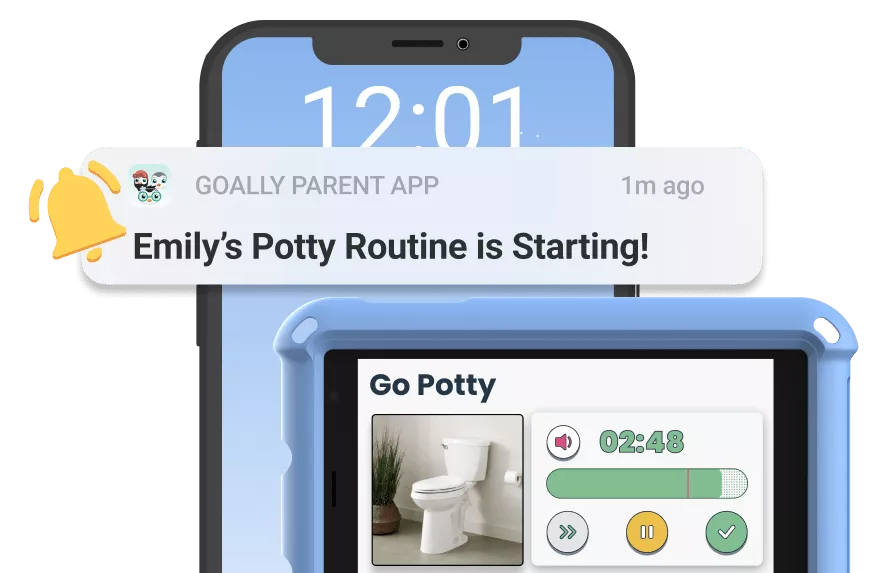
In some cases, using tools like Goally can complement professional support by providing resources and structure to help your child develop essential skills.
Tired of Emotional Meltdowns?
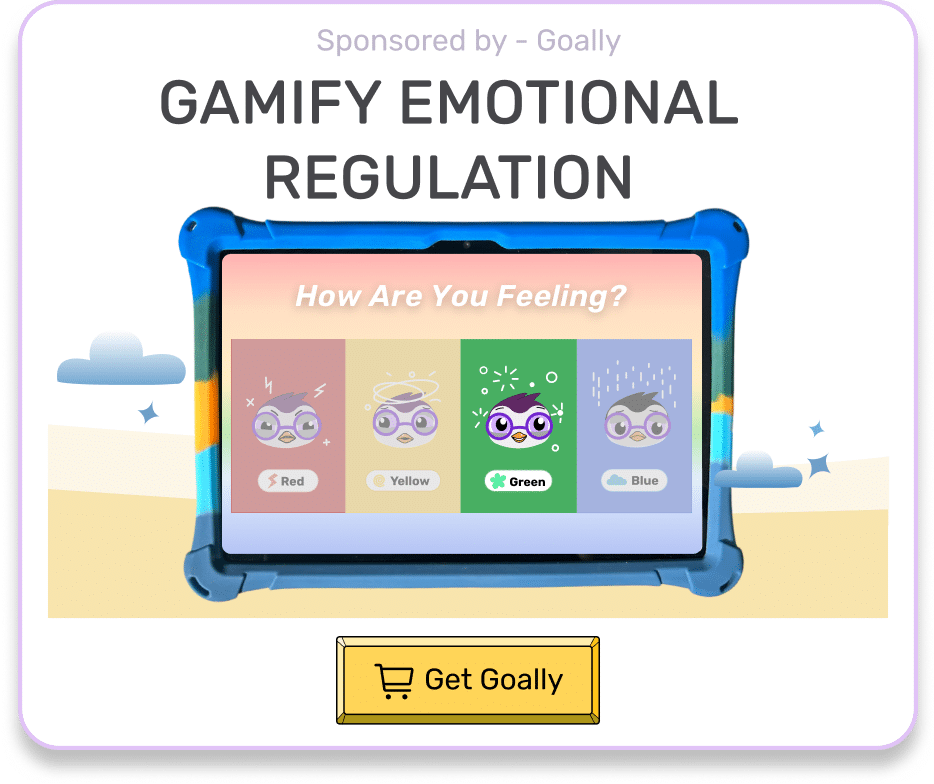
Goally’s Mood Tuner app has activities for kids with BIG emotions. Teach kids how to tune their mood with Goally. See fewer meltdowns.
The Mood Tuner app encourages kids to look inwards and identify their feelings, helping them understand what’s going on inside. Once they’ve recognized their emotions, they can choose from a 20+ activities designed to help them self-regulate and find their balance.
Helping your socially withdrawn child can be a rewarding journey filled with growth and connection. With these five uplifting strategies, you can greatly enhance their social development. Create a safe and loving environment, encourage social skills, nurture their interests, teach them emotional regulation, and reach out for professional support if necessary. By embracing these tips, you’ll be empowering your child’s growth and happiness. Start today, and witness your child’s incredible transformation!
Resources:
FAQs About Being Socially Withdrawn
What is meant by social withdrawal in children?
Social withdrawal in children refers to the tendency of a child to abstain from social interactions and prefer solitude.

How can visual schedules assist socially withdrawn children?
Visual schedules can establish a routine, thereby minimizing anxiety and helping such children interact with the world around them in a structured manner.

Can Emotional Regulation Apps assist in addressing social withdrawal in children?
Yes, emotional regulation apps can aid in managing and expressing emotions, reducing fears related to social interactions.

How can rewards influence a child's social behavior?
Rewards can incentivize socially withdrawn children to engage in social activities, effectively reducing social isolation tendencies.

What are the indicators of social withdrawal in children?
Signs might include avoidance of social activities, lack of friends, and a preference for being alone.
This post was originally published on 05/17/2023. It was updated on 07/20/2024.

Goally
We help parents teach their kids life skills, like doing bedtime and morning independently. Backed by science, we incorporate evidence-based practices and expert-informed designs in all of our apps and content.