Have you ever come across the term “level 3 autism” and wondered what it means for your child? You’re in the right place! This comprehensive guide will help you understand level 3 autism, its characteristics, challenges, and strategies to support your neurodivergent child. By the end of this post, you’ll have a clearer understanding of what level 3 autism entails and how to help your child thrive using tools like Goally.
Table of Contents
Understanding Level 3 Autism
Autism Spectrum Disorder (ASD) is a complex developmental condition that affects how a person thinks, feels, and interacts with others. It’s classified into three levels, with level 3 being the most severe. Level 3 autism, also known as “requiring very substantial support,” is :
- Significant difficulties in social communication
- Highly restricted interests and repetitive behaviors
- Challenges in adapting to change
- Increased sensory sensitivities
Goally | Visual Scheduler for Autism
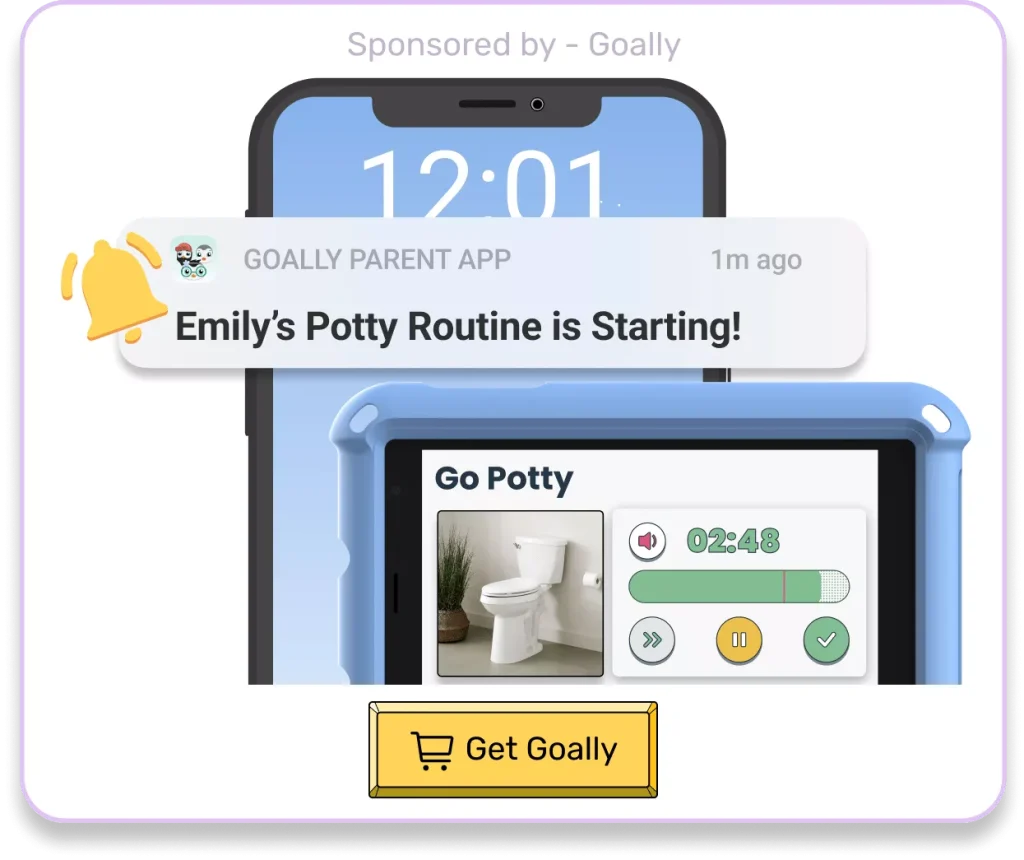
Does your child struggle with getting ready in the morning independently? Goally’s routine app on the best tablet for kids breaks down large tasks into small, achievable steps for autistic kids. Create custom routines with your own videos & pictures for every step.
However, it’s essential to remember that every child with level 3 autism is unique, and their abilities and challenges can vary significantly. That’s why it’s crucial to approach each child as an individual and tailor support strategies to their specific needs.
Challenges Faced by Kids with Level 3 Autism
For kids with level 3 autism, daily life can present various challenges. Some of the most common issues include:
- Social Interaction: These kids often struggle to initiate and maintain conversations, understand social cues, and develop friendships.
- Communication: They may have limited verbal skills or be nonverbal, relying on alternative communication methods like sign language or communication devices.
- Behavior: Repetitive behaviors, such as hand-flapping or rocking, can be more pronounced, and they may have difficulty adapting to changes in routine.
- Sensory Processing: Sensory sensitivities can make everyday experiences overwhelming, leading to meltdowns or shutdowns.
Despite these challenges, kids with level 3 autism can still learn, grow, and achieve their goals with the right support and resources, such as Goally’s learning tablet and apps designed specifically for neurodivergent kids.

Supporting Your Child with Level 3 Autism
As a parent, you play a crucial role in helping your child navigate the world of level 3 autism. Here are some strategies to consider:
1. Early Intervention
Early intervention is key to maximizing your child’s potential. The sooner you can access therapies and support services, the better the outcomes for your child. Some common interventions include:
- Applied Behavior Analysis (ABA)
- Occupational Therapy
- Speech and Language Therapy
- Social Skills Training

Read more: Autism Spectrum Test
Goally’s learning tablet and apps can also be a valuable addition to your child’s early intervention plan, offering personalized support and engaging activities.
2. Create a Structured Environment
Children with level 3 autism thrive in structured environments. Establish routines, use visual schedules, and create designated spaces for different activities to help your child feel secure and supported. Goally’s visual schedules and timers can be particularly helpful in creating a structured environment for your child.
3. Foster Communication
Encourage your child’s communication skills by using visual aids, gestures, or alternative communication methods. Be patient and give them ample time to process and respond to information. Goally’s apps can help facilitate communication and provide a fun, interactive way for your child to practice their skills.
4. Address Sensory Needs
Work with an occupational therapist to identify your child’s sensory sensitivities and develop strategies to manage them. This may include sensory breaks, weighted blankets, or noise-canceling headphones.
Resources for Parents of Kids with Level 3 Autism
As a parent, it’s essential to educate yourself and connect with others who understand your journey. Here are some tips to help you along the way:
| Resource | Description |
|---|---|
| Autism Parenting Magazine | A monthly publication featuring articles, expert advice, and personal stories from parents of neurodivergent kids. |
| The National Autistic Society | A UK-based organization offering information, support, and advocacy for individuals with autism and their families. |
| Autism Society of America | A national organization providing resources, advocacy, and support for individuals with autism and their families. |
| Local Support Groups | Connect with other parents of kids with level 3 autism through local support groups or online forums to share experiences, advice, and encouragement. |
Goally | Apps To Support Child Development
Looking for fun ways to help your child learn life skills? Try Goally! The Goally tablet comes with award-winning learning apps and video classes to help kids develop the skills they need to become independent with FUN & evidence-based practices.
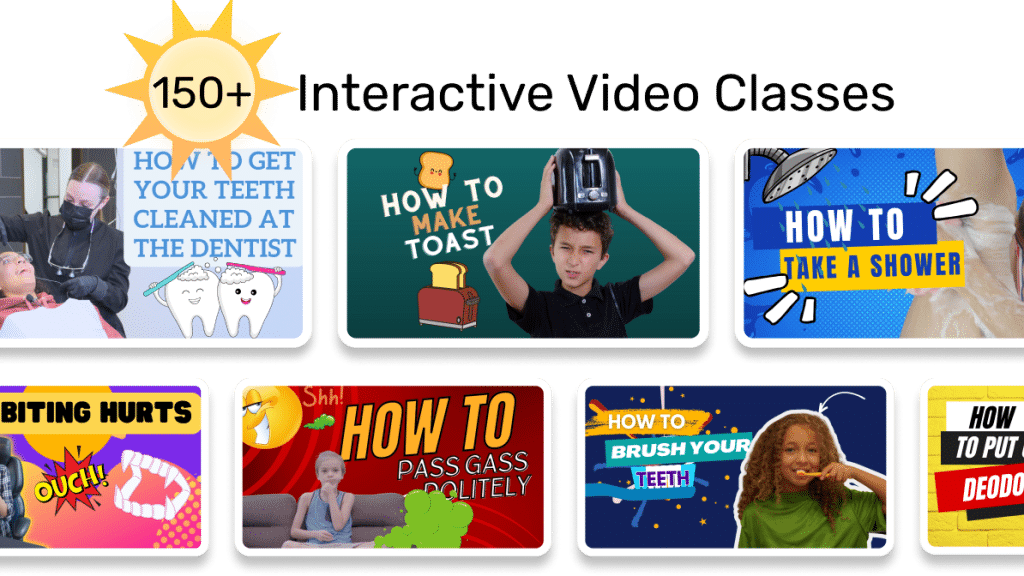
Our apps teach executive function, language, emotional regulation, finger dexterity skills, and more.
As your child develops new skills, you can increase the difficulty level of the tasks in the app to challenge and motivate them even further. This helps your child grow and progress at their own pace, while also keeping them engaged and excited about their development.
Understanding level 3 autism is the first step in supporting your child’s unique needs and abilities. By accessing early intervention, creating a structured environment, fostering communication, and addressing sensory needs, you can help your child thrive. Remember, you’re not alone in this journey—reach out to professionals, connect with other parents, and utilize available resources like Goally to ensure the best possible outcomes for your neurodivergent child.
This post was originally published on 05/17/2023. It was updated on 07/05/2023.

Goally
We help parents teach their kids life skills, like doing bedtime and morning independently. Backed by science, we incorporate evidence-based practices and expert-informed designs in all of our apps and content.