As someone deeply involved in helping children navigate their worlds, I’ve seen how hyperfixation can shape their daily lives. Whether it’s an elaborate LEGO masterpiece or an endless quest for knowledge on a favorite subject, this intense focus can sometimes hinder day-to-day activities. Understanding hyperfixation is crucial, not just to manage it but to use it to your child’s advantage. This guide offers research-backed, practical steps to help your child shift their focus when needed and how to stop hyperfixating.
Table of Contents
Step 1: Craft a Structured Routine
Consistency is key when it comes to managing hyperfixation. A structured daily routine can help your child know when it’s time to switch gears and focus on something else. Start by mapping out a schedule that dedicates time for different activities like schoolwork, hobbies, and relaxation. This way, your neurodivergent child will better understand the flow of their day and transition between tasks more easily.
- Create a visual schedule for easy reference
- Ensure a balance between work, play, and rest
- Stick to the routine as much as possible to foster predictability
Step 2: Break Tasks into Bite-Sized Pieces
One way to prevent hyperfixation is by dividing large tasks into smaller, more manageable portions. This will encourage your child to focus on individual elements without losing themselves in a single aspect. Try setting small goals for each portion, and celebrate their progress as they complete them.

Read more: How to Improve Executive Function | The Ultimate Guide
For instance, if your child is working on a major school project, help them break it into smaller tasks like research, outlining, and writing. This will guide their focus and prevent unnecessary fixation.
Step 3: Introduce Mindfulness Techniques
Practicing mindfulness can be incredibly helpful in recognizing and managing hyperfixation. Simple techniques, such as deep breathing exercises or counting, can help your child become more aware of their thoughts and regain control over their focus.
Encourage your child to practice these techniques daily, whether they’re struggling with hyperfixation or not, to build healthy habits. Regularly practicing mindfulness together can make it easier for your child to implement these practices when needed.
Step 4: Set Time Limits and Use Timers
Setting time limits for activities can be an effective strategy for managing hyperfixation. By allotting a specific amount of time for your child to engage in an activity, they’ll be more prepared to transition to the next task when the time comes.
- Use a timer or stopwatch for a clear visual indicator
- Verbally remind your child when their time is almost up
- Gradually reduce the time allotted for hyperfixating activities
Step 5: Schedule Breaks and Fun Diversions
Taking breaks throughout the day can help refocus your child’s attention and prevent hyperfixation. Plan regular intervals for your child to engage in varied activities and recharge. These breaks may include physical exercise, socializing, or simple relaxation.
Examples of fun diversions can range from playing a quick board game to going for a short walk outside. The goal is to give your child’s mind a chance to reset, making it easier to avoid hyperfixation on the next task.

Read more: ADHD Sleep Problems in Kids
Step 6: Use Positive Reinforcement
Positive reinforcement can be a powerful motivator for helping your child manage their hyperfixation. Offer rewards and praise when they successfully transition to another task or maintain focus within a set timeframe. Recognizing their efforts will encourage your child to continue practicing these crucial skills.
Consider setting up a reward system, such as earning points or stickers for successfully managing their time and focus. This way, your child will have
a tangible reminder of their progress and a positive incentive to continue working on these skills.
Step 7: Consult Professionals When Needed
If the challenges of hyperfixation are significantly affecting your child’s daily life, don’t hesitate to seek guidance from professionals. Occupational therapists and psychologists can offer personalized strategies and support tailored to your child’s needs.
Working closely with these experts will not only help you better understand your child’s unique situation but also provide you with tools and resources to facilitate their growth and success.
| Step | Action |
|---|---|
| 1 | Establish a structured routine |
| 2 | Divide tasks into smaller chunks |
| 3 | Teach and practice mindfulness |
| 4 | Set time limits with timers |
| 5 | Schedule breaks and engaging distractions |
| 6 | Implement positive reinforcement |
| 7 | Consult with professionals if needed |
Goally | Apps That Build Behavior & Life Skills for Kids
Want to keep your child motivated while building essential behavior and life skills? Goally’s skill-building tablet is designed to celebrate small wins and help your child grow. Our Behavior Tracker helps you reward your kid for specific skills, like “being kind” or “flushing the toilet.”
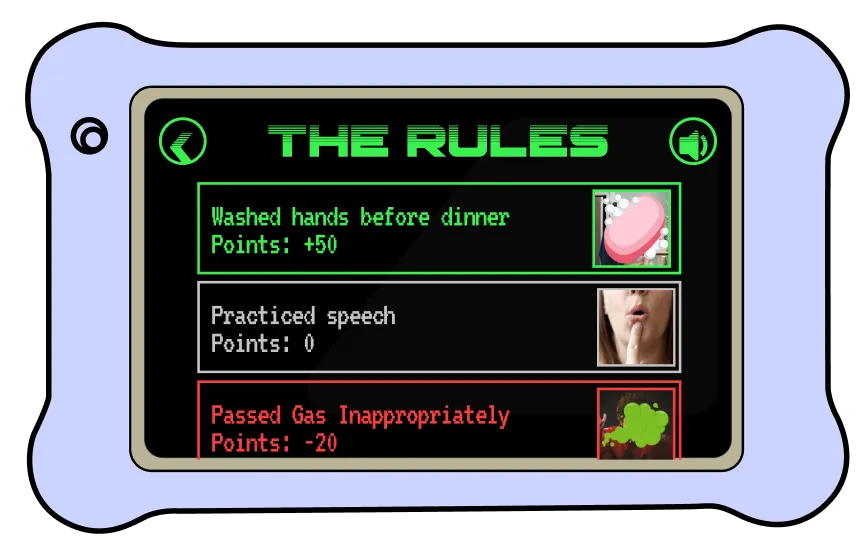
By setting clear expectations and rewarding their efforts, you foster a positive environment for your child to flourish in their behavioral skills journey.
In summary, learning how to stop hyperfixating takes time, understanding, and patience. By following these steps and providing consistent support, you’ll be empowering your neurodivergent child to better manage their focus and achieve success in various aspects of their life. Remember, every child is unique, so keep adjusting your approach as needed and celebrate the progress along the way.
Helpful Resources
- ADDitude Magazine
- CHADD – Children and Adults with Attention-Deficit/Hyperactivity Disorder
- Understood
FAQ’s About How to Stop Hyperfixating
What is hyperfixation in children?
Hyperfixation is an intense focus on a specific interest or activity, often seen in children with ADHD or autism.

How can parents recognize signs of hyperfixation in their child?
Signs include losing track of time, neglecting other tasks, and becoming upset when interrupted from the fixated activity.

What strategies can help a child break out of hyperfixation?
Use timers, establish clear routines, and gently redirect attention to other activities.

Can hyperfixation be beneficial for children?
When channeled properly, hyperfixation can lead to deep learning and skill development in areas of interest.

How can parents balance supporting their child's interests while preventing unhealthy hyperfixation?
Encourage diverse activities, set reasonable time limits, and create a structured daily schedule that includes the child's interests alongside other important tasks.
This post was originally published on 05/25/2023. It was updated on 08/15/2024.

Emily is a seasoned blog writer for Goally, leveraging her extensive background in child psychology and special education to provide valuable insights and resources for parents. Her commitment to understanding and addressing the unique needs of these children, combined with her expertise in educational strategies, makes her a credible and empathetic voice for families.