Autism, a complex developmental condition, affects a huge portion of the population in the United States. Understanding its prevalence, diagnosis, early intervention, special education outcomes, employment statistics, and healthcare costs is crucial for fostering better support and resources for individuals with autism and their families. This blog looks into the latest statistics and insights related to autism in the U.S.
Table of Contents
Autism Prevalence
According to the Centers for Disease Control and Prevention (2023), autism affects approximately 1 in 36 people have autism in the U.S., an increase from the previous rate of 1 in 44. Additionally, around 1 in 45 adults in the U.S. have autism. Autism is more common among boys, with about 4 in 100 boys diagnosed compared to 1 in 100 girls. Boys are nearly four times more likely to be diagnosed with autism than girls.
Autism prevalence among racial and ethnic groups in the U.S. is as follows:
- White: 2.4%
- Black: 2.9%
- Hispanic: 3.2%
- Asian or Pacific Islander: 3.3%
These figures indicate an improvement in outreach, screening, and de-stigmatization of autism diagnosis among minorities. The CDC’s autism prevalence estimates are based on data from 8-year-old kids across 11 sites in the Autism and Developmental Disabilities Monitoring (ADDM) Network in 2020.

Diagnosis and Early Intervention
Data from the National Survey of Children’s Health (NSCH) (2016-2019) shows that autism can be reliably diagnosed by a specialist as early as age 2. However, the average age of autism diagnosis in the U.S. is 5 years. The average age of first intervention is 4.7 years. Notably, children in lower-income households are typically diagnosed at an average age of 4.7 years, compared to 5.2 years for those in higher-income households. These ages of diagnosis and first intervention vary widely between states.
Special Education
According to the U.S. Department of Education (2018-2019), 74% of autistic students in the U.S. graduate with a diploma, compared to 86% of all students. Additionally, 19% of autistic students graduate with a certificate, and 8% do not finish high school, compared to 5% of all students.
Employment
Statistics from the U.S. Department of Education (2014-2016) and the Bureau of Labor Statistics (2022) indicate that only 21% of people with disabilities, including autism, are employed. However, nearly 60% of individuals with autism are employed after receiving vocational rehabilitation (VR) services. These state-provided services assist autistic individuals in exploring career options, finding jobs, and securing necessary workplace accommodations. Additionally, 70% of eligible autistic individuals receive VR services, and 50% of autistic youth begin these services in high school.
Healthcare Costs
Data from FAIR Health Inc. (2021) reveals the average costs of autism supportive services in the U.S. per visit:
- Adaptive behavior: $82.25
- Developmental screening: $165.95
- Emergency department visit: $1,397.22
- Physical therapy: $74.99
- Psychiatry: $253.40
- Speech/Language therapy: $174.80
- Therapeutic behavioral services: $175.44
Goally is a valuable resource for clinicians who are looking for ways to support children with speech and language problems.
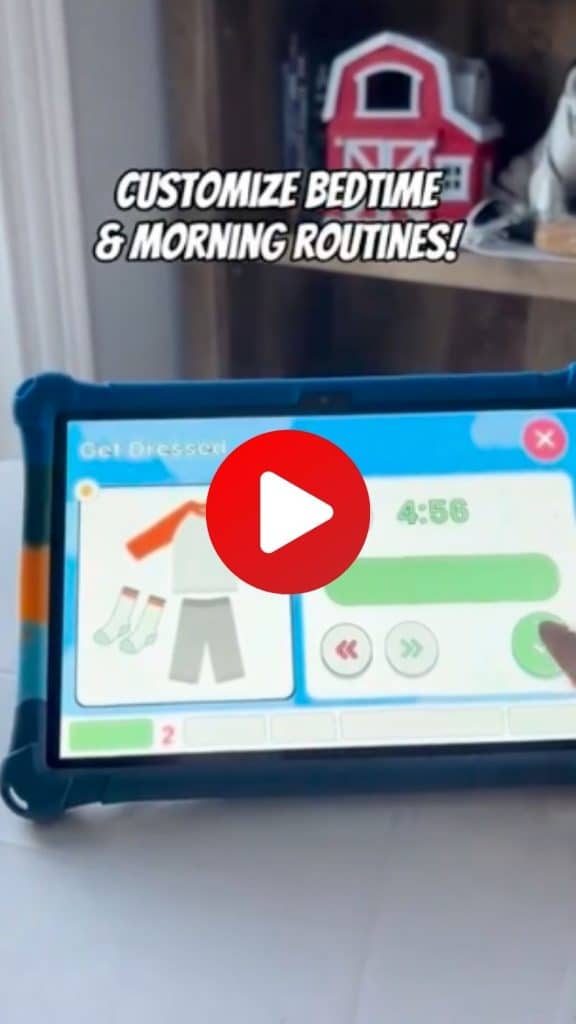
- Individualized Instruction. Goally can be easily customized to meet the specific needs of each child supporting the skills that they need most, at each child’s own pace.
- Increased Engagement. Goally is a fun and interactive tool that can help children stay engaged while learning.
- Improved Communication. Goally helps children learn to effectively communicate wants and needs, and allows children to participate in the world around them.
- Bonus: Goally’s Core Word Lessons teaches kids their first 50 words through video modeling and interactive practice.
Goally’s distraction-free kid’s tablet can be used as a therapy tool to help teach executive function, language, emotional regulation, finger dexterity skills, and more!
Understanding the prevalence, diagnosis, intervention, education, employment, and healthcare costs associated with autism is essential for developing effective support systems and resources. These statistics highlight the importance of early diagnosis and intervention, as well as the need for comprehensive services to aid individuals with autism throughout their lives. By continuing to improve outreach and resources, we can better support those affected by autism and help them achieve their full potential.
Helpful Resources
FAQ’s About 1 in 36 People Have Autism
What is the prevalence of autism in children in the U.S.?
One in 36 children in the U.S. is diagnosed with autism.

Why are boys more likely to be diagnosed with autism than girls?
Boys are nearly four times more likely to be diagnosed with autism than girls.

At what age can autism be reliably diagnosed?
Autism can be reliably diagnosed by a specialist as early as age 2.

What percentage of autistic students graduate with a diploma?
Seventy-four percent of autistic students in the U.S. graduate with a diploma.

How do vocational rehabilitation services impact employment for individuals with autism?
Nearly 60% of individuals with autism are employed after receiving vocational rehabilitation services.

Emily is a seasoned blog writer for Goally, leveraging her extensive background in child psychology and special education to provide valuable insights and resources for parents. Her commitment to understanding and addressing the unique needs of these children, combined with her expertise in educational strategies, makes her a credible and empathetic voice for families.
- Emily Parker
- Emily Parker
- Emily Parker
- Emily Parker
- Emily Parker
- Emily Parker
- Emily Parker
- Emily Parker
- Emily Parker
- Emily Parker
- Emily Parker
- Emily Parker
- Emily Parker
- Emily Parker
- Emily Parker
- Emily Parker
- Emily Parker
- Emily Parker
- Emily Parker
- Emily Parker
- Emily Parker
- Emily Parker
- Emily Parker
- Emily Parker
- Emily Parker
- Emily Parker
- Emily Parker
- Emily Parker
- Emily Parker
- Emily Parker
- Emily Parker
- Emily Parker
- Emily Parker
- Emily Parker
- Emily Parker
- Emily Parker
- Emily Parker
- Emily Parker
- Emily Parker
- Emily Parker
- Emily Parker
- Emily Parker
- Emily Parker
- Emily Parker
- Emily Parker
- Emily Parker
- Emily Parker
- Emily Parker
- Emily Parker
- Emily Parker
- Emily Parker
- Emily Parker
- Emily Parker
- Emily Parker
- Emily Parker
- Emily Parker
- Emily Parker
- Emily Parker
- Emily Parker
- Emily Parker
- Emily Parker
- Emily Parker
- Emily Parker
- Emily Parker
- Emily Parker
- Emily Parker
- Emily Parker
- Emily Parker
- Emily Parker
- Emily Parker
- Emily Parker
- Emily Parker
- Emily Parker
- Emily Parker
- Emily Parker
- Emily Parker
- Emily Parker
- Emily Parker
- Emily Parker
- Emily Parker
- Emily Parker
- Emily Parker
- Emily Parker
- Emily Parker
- Emily Parker
- Emily Parker
- Emily Parker
- Emily Parker
- Emily Parker
- Emily Parker
- Emily Parker
- Emily Parker
- Emily Parker
- Emily Parker
- Emily Parker
- Emily Parker
- Emily Parker
- Emily Parker
- Emily Parker
- Emily Parker
- Emily Parker
- Emily Parker
- Emily Parker
- Emily Parker
- Emily Parker
- Emily Parker
- Emily Parker
- Emily Parker
- Emily Parker
- Emily Parker
- Emily Parker
- Emily Parker
- Emily Parker
- Emily Parker
- Emily Parker
- Emily Parker
- Emily Parker
- Emily Parker
- Emily Parker
- Emily Parker
- Emily Parker
- Emily Parker
- Emily Parker
- Emily Parker
- Emily Parker
- Emily Parker
- Emily Parker
- Emily Parker
- Emily Parker
- Emily Parker
- Emily Parker
- Emily Parker
- Emily Parker
- Emily Parker
- Emily Parker
- Emily Parker
- Emily Parker
- Emily Parker
- Emily Parker
- Emily Parker
- Emily Parker
- Emily Parker
- Emily Parker
- Emily Parker
- Emily Parker
- Emily Parker
- Emily Parker
- Emily Parker
- Emily Parker
- Emily Parker
- Emily Parker
- Emily Parker
- Emily Parker
- Emily Parker
- Emily Parker
- Emily Parker
- Emily Parker
- Emily Parker
- Emily Parker
- Emily Parker
- Emily Parker
- Emily Parker
- Emily Parker
- Emily Parker
- Emily Parker
- Emily Parker
- Emily Parker
- Emily Parker
- Emily Parker
- Emily Parker
- Emily Parker
- Emily Parker
- Emily Parker
- Emily Parker
- Emily Parker
- Emily Parker
- Emily Parker
- Emily Parker
- Emily Parker
- Emily Parker
- Emily Parker
- Emily Parker
- Emily Parker
- Emily Parker
- Emily Parker
- Emily Parker
- Emily Parker
- Emily Parker
- Emily Parker
- Emily Parker
- Emily Parker
- Emily Parker
- Emily Parker
- Emily Parker
- Emily Parker
- Emily Parker
- Emily Parker
- Emily Parker
- Emily Parker
- Emily Parker
- Emily Parker
- Emily Parker
- Emily Parker
- Emily Parker
- Emily Parker
- Emily Parker
- Emily Parker
- Emily Parker
- Emily Parker
- Emily Parker
- Emily Parker
- Emily Parker
- Emily Parker
- Emily Parker
- Emily Parker
- Emily Parker
- Emily Parker
- Emily Parker
- Emily Parker
- Emily Parker
- Emily Parker
- Emily Parker
- Emily Parker
- Emily Parker
- Emily Parker
- Emily Parker
- Emily Parker
- Emily Parker
- Emily Parker
- Emily Parker
- Emily Parker
- Emily Parker
- Emily Parker
- Emily Parker
- Emily Parker
- Emily Parker
- Emily Parker
- Emily Parker
- Emily Parker
- Emily Parker
- Emily Parker
- Emily Parker
- Emily Parker
- Emily Parker
- Emily Parker
- Emily Parker
- Emily Parker
- Emily Parker
- Emily Parker
- Emily Parker
- Emily Parker
- Emily Parker
- Emily Parker
- Emily Parker
- Emily Parker
- Emily Parker
- Emily Parker
- Emily Parker
- Emily Parker
- Emily Parker
- Emily Parker
- Emily Parker
- Emily Parker
- Emily Parker
- Emily Parker
- Emily Parker
- Emily Parker
- Emily Parker
- Emily Parker
- Emily Parker
- Emily Parker
- Emily Parker
- Emily Parker
- Emily Parker
- Emily Parker
- Emily Parker
- Emily Parker
- Emily Parker
- Emily Parker
- Emily Parker
- Emily Parker
- Emily Parker
- Emily Parker
- Emily Parker
- Emily Parker
- Emily Parker
- Emily Parker
- Emily Parker
- Emily Parker
- Emily Parker
- Emily Parker
- Emily Parker
- Emily Parker
- Emily Parker
- Emily Parker
- Emily Parker
- Emily Parker
- Emily Parker
- Emily Parker
- Emily Parker
- Emily Parker
- Emily Parker
- Emily Parker
- Emily Parker
- Emily Parker
- Emily Parker
- Emily Parker
- Emily Parker
- Emily Parker
- Emily Parker
- Emily Parker
- Emily Parker
- Emily Parker
- Emily Parker
- Emily Parker
- Emily Parker
- Emily Parker
- Emily Parker
- Emily Parker
- Emily Parker
- Emily Parker
- Emily Parker
- Emily Parker
- Emily Parker
- Emily Parker
- Emily Parker
- Emily Parker
- Emily Parker
- Emily Parker
- Emily Parker
- Emily Parker
- Emily Parker
- Emily Parker
- Emily Parker
- Emily Parker
- Emily Parker
- Emily Parker
- Emily Parker
- Emily Parker
- Emily Parker
- Emily Parker
- Emily Parker
- Emily Parker
- Emily Parker
- Emily Parker
- Emily Parker
- Emily Parker
- Emily Parker
- Emily Parker
- Emily Parker
- Emily Parker
- Emily Parker
- Emily Parker
- Emily Parker
- Emily Parker
- Emily Parker
- Emily Parker
- Emily Parker
- Emily Parker
- Emily Parker
- Emily Parker
- Emily Parker
- Emily Parker
- Emily Parker
- Emily Parker
- Emily Parker
- Emily Parker
- Emily Parker
- Emily Parker
- Emily Parker
- Emily Parker
- Emily Parker
- Emily Parker
- Emily Parker
- Emily Parker
- Emily Parker
- Emily Parker
- Emily Parker
- Emily Parker
- Emily Parker
- Emily Parker
- Emily Parker
- Emily Parker
- Emily Parker
- Emily Parker
- Emily Parker
- Emily Parker
- Emily Parker
- Emily Parker
- Emily Parker
- Emily Parker
- Emily Parker
- Emily Parker
- Emily Parker
- Emily Parker
- Emily Parker
- Emily Parker
- Emily Parker
- Emily Parker
- Emily Parker
- Emily Parker
- Emily Parker
- Emily Parker
- Emily Parker
- Emily Parker
- Emily Parker
- Emily Parker
- Emily Parker
- Emily Parker
- Emily Parker
- Emily Parker
- Emily Parker
- Emily Parker
- Emily Parker
- Emily Parker
- Emily Parker
- Emily Parker
- Emily Parker
- Emily Parker
- Emily Parker
- Emily Parker
- Emily Parker
- Emily Parker
- Emily Parker
- Emily Parker
- Emily Parker
- Emily Parker
- Emily Parker
- Emily Parker
- Emily Parker
- Emily Parker
- Emily Parker
- Emily Parker
- Emily Parker
- Emily Parker
- Emily Parker
- Emily Parker
- Emily Parker
- Emily Parker
- Emily Parker
- Emily Parker
- Emily Parker
- Emily Parker
- Emily Parker
- Emily Parker
- Emily Parker
- Emily Parker
- Emily Parker
- Emily Parker
- Emily Parker
- Emily Parker
- Emily Parker
- Emily Parker
- Emily Parker
- Emily Parker
- Emily Parker
- Emily Parker
- Emily Parker
- Emily Parker
- Emily Parker
- Emily Parker
- Emily Parker
- Emily Parker
- Emily Parker
- Emily Parker
- Emily Parker
- Emily Parker
- Emily Parker
- Emily Parker
- Emily Parker
- Emily Parker
- Emily Parker
- Emily Parker
- Emily Parker
- Emily Parker
- Emily Parker
- Emily Parker
- Emily Parker
- Emily Parker
- Emily Parker
- Emily Parker
- Emily Parker
- Emily Parker
- Emily Parker
- Emily Parker
- Emily Parker
- Emily Parker
- Emily Parker
- Emily Parker
- Emily Parker
- Emily Parker
- Emily Parker
- Emily Parker
- Emily Parker
- Emily Parker
- Emily Parker
- Emily Parker
- Emily Parker
- Emily Parker
- Emily Parker
- Emily Parker
- Emily Parker
- Emily Parker
- Emily Parker
- Emily Parker
- Emily Parker
- Emily Parker
- Emily Parker
- Emily Parker
- Emily Parker
- Emily Parker
- Emily Parker
- Emily Parker
- Emily Parker
- Emily Parker
- Emily Parker
- Emily Parker
- Emily Parker
- Emily Parker
- Emily Parker
- Emily Parker
- Emily Parker
- Emily Parker
- Emily Parker
- Emily Parker
- Emily Parker
- Emily Parker
- Emily Parker
- Emily Parker
- Emily Parker
- Emily Parker
- Emily Parker
- Emily Parker
- Emily Parker
- Emily Parker
- Emily Parker
- Emily Parker
- Emily Parker
- Emily Parker
- Emily Parker
- Emily Parker
- Emily Parker
- Emily Parker
- Emily Parker
- Emily Parker
- Emily Parker
- Emily Parker
- Emily Parker
- Emily Parker
- Emily Parker
- Emily Parker
- Emily Parker
- Emily Parker
- Emily Parker
- Emily Parker
- Emily Parker
- Emily Parker
- Emily Parker
- Emily Parker
- Emily Parker
- Emily Parker
- Emily Parker
- Emily Parker
- Emily Parker
- Emily Parker
- Emily Parker
- Emily Parker
- Emily Parker
- Emily Parker
- Emily Parker
- Emily Parker
- Emily Parker
- Emily Parker
- Emily Parker
- Emily Parker
- Emily Parker
- Emily Parker
- Emily Parker
- Emily Parker
- Emily Parker
- Emily Parker
- Emily Parker
- Emily Parker
- Emily Parker
- Emily Parker
- Emily Parker
- Emily Parker
- Emily Parker
- Emily Parker
- Emily Parker
- Emily Parker
- Emily Parker
- Emily Parker
- Emily Parker
- Emily Parker
- Emily Parker
- Emily Parker
- Emily Parker
- Emily Parker
- Emily Parker
- Emily Parker
- Emily Parker
- Emily Parker
- Emily Parker
- Emily Parker
- Emily Parker
- Emily Parker
- Emily Parker
- Emily Parker
- Emily Parker
- Emily Parker
- Emily Parker
- Emily Parker
- Emily Parker
- Emily Parker
- Emily Parker
- Emily Parker
- Emily Parker
- Emily Parker
- Emily Parker
- Emily Parker