As someone who works closely with kids, I’ve seen how developing finger dexterity can significantly impact their daily activities, from tying shoelaces to using a pencil. Improving finger dexterity is crucial for kids, especially those with neurodivergent conditions. Today, I’ll share practical steps to enhance your child’s finger dexterity, including how Goally’s Finger Dexterity game Balloons can be a fun and effective tool in this journey.
Table of Contents
Step 1: Encourage Play with Manipulatives
Engage your child in play activities that involve small objects. Toys like building blocks, beads, and puzzles are excellent for developing fine motor skills. These activities not only improve dexterity but also enhance hand-eye coordination.
During these play sessions, ensure your child is using their fingers to manipulate the objects rather than their whole hand. This focus will help them strengthen the small muscles in their hands and fingers.
Step 2: Introduce Finger Strengthening Exercises
Finger strengthening exercises are simple yet effective. Encourage your child to squeeze a stress ball or use play dough to make different shapes. These activities build the muscles needed for better finger control.
Another great exercise is to have your child practice pinching clothes pegs or tearing paper. These actions require precision and strength, which are key for improving dexterity.
Goally | The Tablet for Neurodiverse Kids

Step 3: Use Tools and Utensils
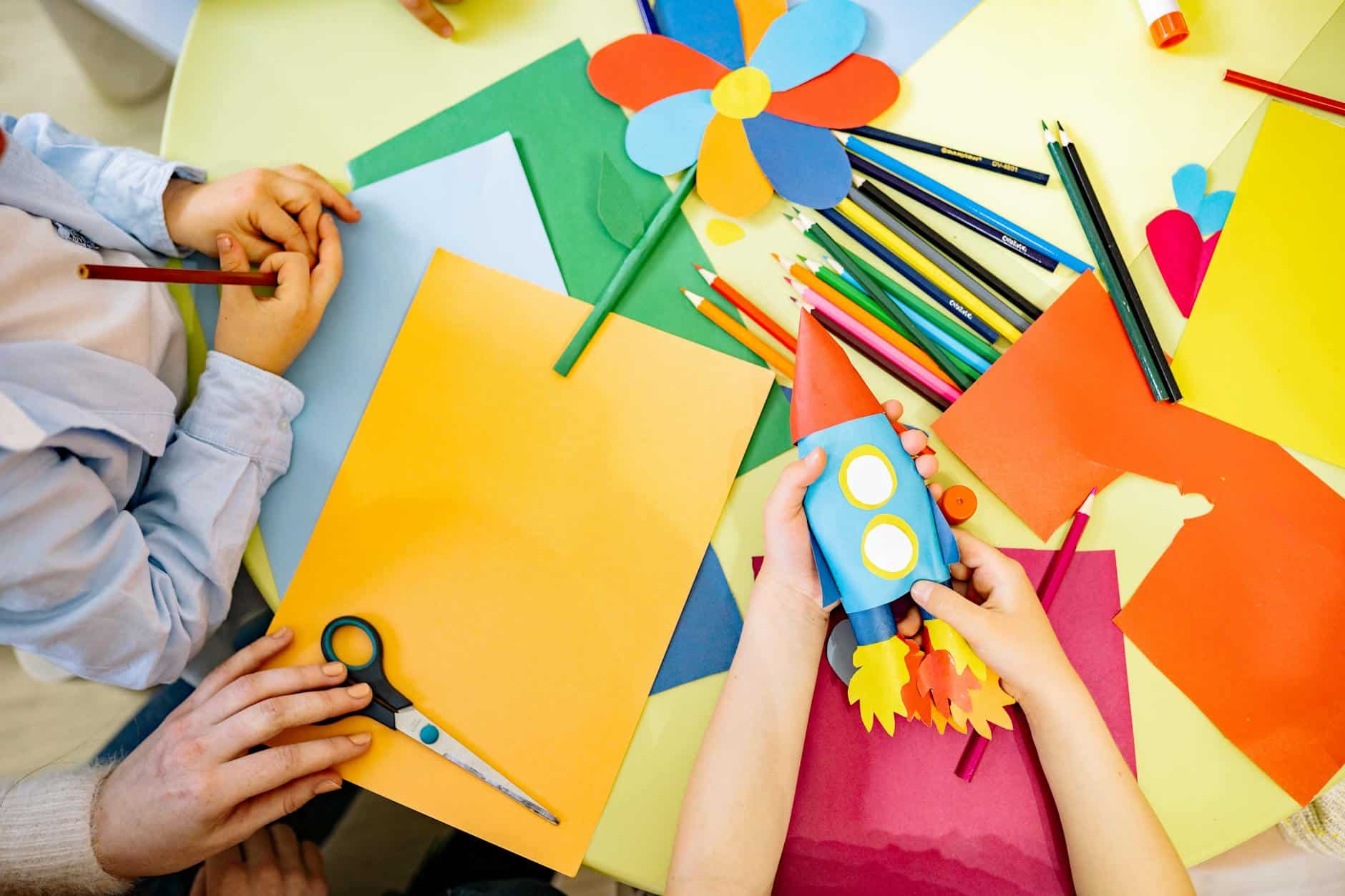
Give your child opportunities to use child-friendly tools and utensils. Items like tongs, tweezers, and scissors can make everyday tasks fun while boosting finger dexterity. Start with larger items and gradually move to smaller ones as your child’s skills improve.
Cooking together can also be a fantastic way to practice. Let your child help with tasks like mixing, stirring, and using cookie cutters. These activities promote the use of fingers and enhance dexterity in a practical setting.
Step 4: Practice Handwriting and Drawing
Handwriting and drawing are excellent ways to develop fine motor skills. Encourage your child to draw, color, and write regularly. Provide them with different writing tools such as crayons, markers, and pencils to make it interesting.
Tracing shapes and letters can also be beneficial. Use tracing books or print out sheets from online resources to give your child varied practice. This activity not only improves dexterity but also prepares them for school-related tasks.
Step 5: Engage in Daily Living Activities
Incorporate finger dexterity practice into daily routines. Encourage your child to dress themselves, including buttoning shirts and tying shoelaces. These everyday tasks are excellent for building fine motor skills.
Household chores, such as sorting laundry or setting the table, can also be useful. These activities require precise movements and can make dexterity practice a natural part of your child’s day.
Step 6: Utilize Technology and Apps
There are many apps designed to enhance fine motor skills, and Goally’s Finger Dexterity game “Balloons” is one of the best. This game encourages kids to pop balloons by tapping and swiping, which improves their finger control and speed.

In addition to “Balloons,” explore other educational apps that focus on fine motor skills. These tools can make learning fun and interactive, keeping your child engaged while practicing their dexterity.
Step 7: Consistency and Patience
Improving finger dexterity takes time and practice. Be consistent with the activities and encourage your child regularly. Celebrate their progress, no matter how small, to keep them motivated.
Patience is key. Each child develops at their own pace, so provide a supportive and encouraging environment where your child feels comfortable practicing their skills.
Helpful Resources
Goally | Fun Games that Build Motor Skills & Manage Screen Time
Looking for ways to improve your child’s finger dexterity skills while also keeping screen time manageable? Try Goally’s fun & motor planning apps.

Our Balloons & Graffiti Street Apps are all about building motor skills in a fun, interactive way. Kids learn to “pop the balloons” or draw dozens of digital art designs while simultaneously developing the essential skills needed to use AAC and other communication tools. Meanwhile, Game Garage is a parent-controlled space filled with entertaining (but parent-controlled) video games that kids can unlock with the points they earn from completing routines.
By incorporating these steps into your daily routine, you can help your child improve their finger dexterity effectively. The combination of play, exercises, and everyday tasks will create a balanced approach to developing these essential skills. Remember to stay patient and consistent, and celebrate your child’s progress along the way.
FAQ’s About How to Improve Finger Dexterity
What are some activities to improve finger dexterity in kids?
Activities like playing with building blocks, beads, and puzzles can help improve finger dexterity in kids.

How can squeezing a stress ball help with finger dexterity?
Squeezing a stress ball strengthens the muscles in the fingers, improving their control and dexterity.

What tools can help improve a child’s finger dexterity?
Using child-friendly tools like tongs, tweezers, and scissors can help improve a child's finger dexterity.

Why is handwriting practice important for finger dexterity?
Handwriting practice enhances fine motor skills and helps develop better finger control.

Can technology help improve finger dexterity in kids?
Yes, apps like Goally's Finger Dexterity game "Balloons" can help kids improve their finger control and dexterity through interactive play.

Emily is a seasoned blog writer for Goally, leveraging her extensive background in child psychology and special education to provide valuable insights and resources for parents. Her commitment to understanding and addressing the unique needs of these children, combined with her expertise in educational strategies, makes her a credible and empathetic voice for families.