The first time I stepped into a classroom designed for kids with cerebral palsy, I was struck by the vibrant energy and determination that filled the air. As a professional working with children with special needs, I’ve seen firsthand how the right educational environment can transform lives. Cerebral palsy schools are specialized educational institutions that cater to the unique needs of the students. These schools are crucial in helping children with cerebral palsy overcome physical challenges, develop essential skills, and build the confidence they need to thrive.
Table of Contents
Understanding Cerebral Palsy Schools
Cerebral palsy schools are more than just educational institutions; they’re carefully crafted environments designed to nurture and support children. These schools recognize that each child has unique needs and abilities and tailor their approach accordingly.
In my experience, the key difference between mainstream schools lies in their specialized focus. While mainstream schools aim to provide a general education to a diverse student body, cerebral palsy schools are equipped to address the specific challenges associated with cerebral palsy. This includes physical limitations, communication difficulties, and potential cognitive impairments.
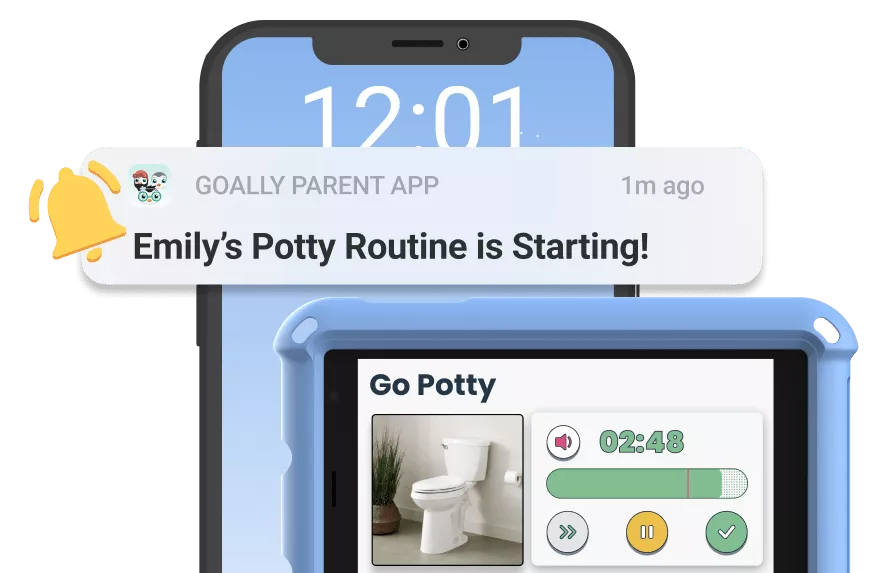
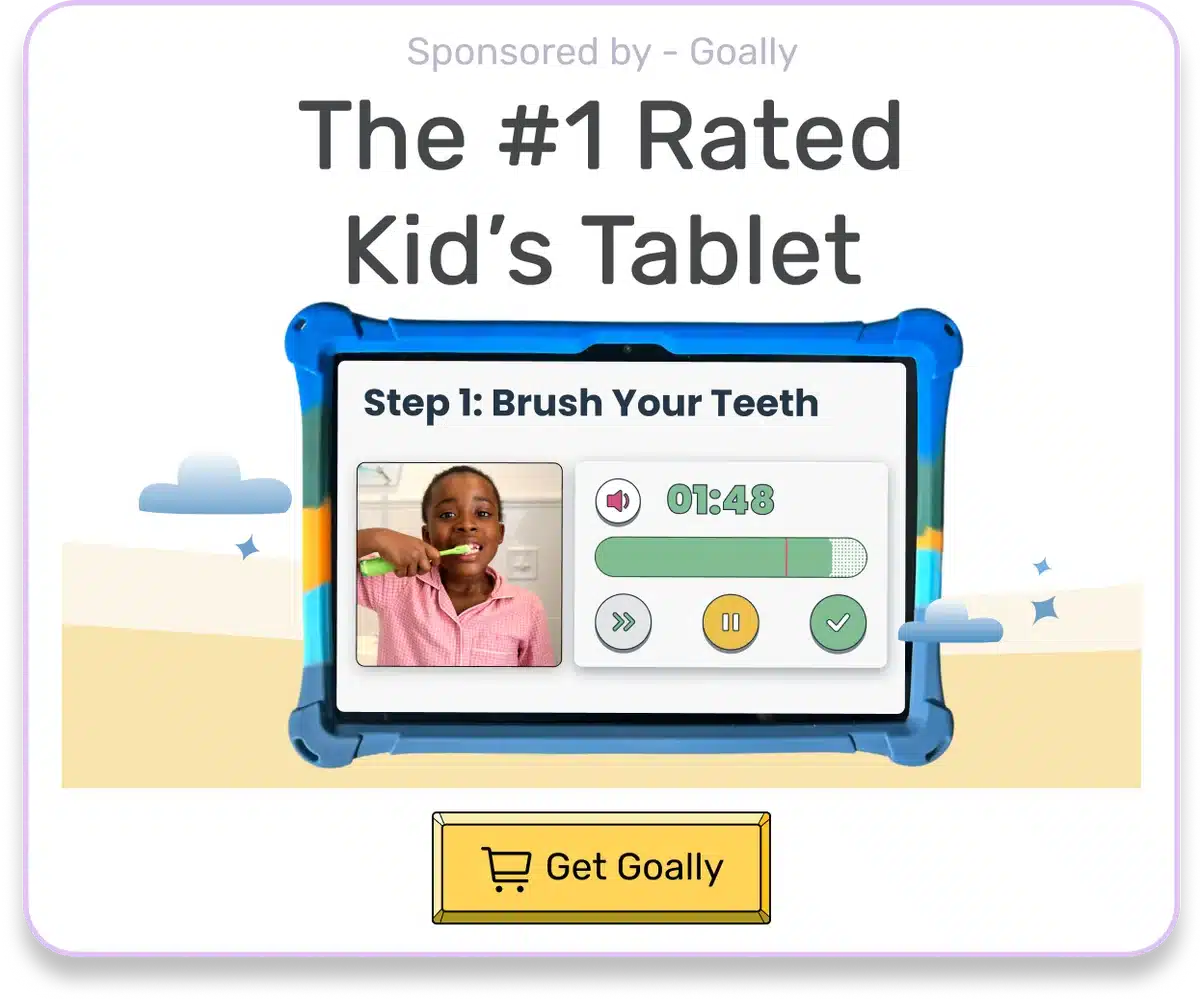
Goally | The Tablet for Neurodiverse Kids
Key Features of Cerebral Palsy Schools
- Specialized Staff: Teachers and aides trained in special education and cerebral palsy-specific needs
- Adaptive Equipment: Customized desks, chairs, and learning tools to accommodate physical limitations
- On-site Therapy Services: Physical, occupational, and speech therapy integrated into the school day
- Small Class Sizes: Allowing for more individualized attention and support
- Assistive Technology: Access to communication devices, adapted computers, and other technological aids
According to a study published in the Journal of Special Education Technology, students with physical disabilities, including cerebral palsy, who attend schools with integrated assistive technology significantly improve academic performance and social engagement. The study found that 78% of students using assistive technology in specialized schools reported feeling more independent in their learning compared to their experiences in mainstream settings.
The Benefits
Choosing a school for your child can offer numerous advantages. I’ve witnessed many success stories that highlight the transformative power of these specialized educational environments.
Read more: Cerebral Palsy Special Education
One primary benefit is the holistic education and therapy approach. In cerebral palsy schools, learning and therapy are seamlessly integrated, allowing children to progress in multiple areas simultaneously. For instance, a child might work on their writing skills during an English lesson while also receiving occupational therapy to improve their fine motor control.
Key Benefits
- Tailored Curriculum: Lessons adapted to each child’s learning style and physical abilities
- Peer Support: Opportunities to interact with other children facing similar challenges
- Confidence Building: An environment that celebrates each child’s unique achievements
- Specialized Resources: Access to adaptive equipment and assistive technology not typically available in mainstream schools
- Family Support: Resources and guidance for parents to support their child’s development at home
A longitudinal study conducted by the Cerebral Palsy Research Network found that children with cerebral palsy who attended specialized schools showed a 35% improvement in functional skills over three years, compared to a 20% improvement in those attending mainstream schools with support services. This highlights a specialized educational environment’s significant impact on a child’s development.
Individualized Education Plans (IEPs) Schools
At the heart of every successful cerebral palsy school is the Individualized Education Plan (IEP). I’ve seen firsthand how these tailored plans can make a difference in a child’s educational journey.
An IEP is a legally binding document that outlines a child’s educational goals, the services they’ll receive, and the accommodations they need to succeed. In cerebral palsy schools, IEPs are particularly comprehensive, addressing not only academic needs but also physical, communication, and social-emotional goals.
Key Components of an IEP
- Present Levels of Performance: A detailed assessment of the child’s current abilities and challenges
- Annual Goals: Specific, measurable objectives for the child to achieve over the school year
- Special Education Services: Details of the specialized instruction the child will receive
- Related Services: Therapy services (e.g., physical, occupational, speech) to be provided
- Accommodations and Modifications: Changes to the learning environment or curriculum to support the child’s needs
- Assessment Plans: How the child’s progress will be measured and reported
developing and implementing an IEP in cerebral palsy schools is collaborative. Parents, teachers, therapists, and sometimes even students work together to create a plan that addresses the child’s unique needs and aspirations.
Therapy Services
One of the most valuable aspects of cerebral palsy schools is integrating therapy services into the educational program. As someone who’s worked closely with therapists in these settings, I can attest to this approach’s immense benefits.
In cerebral palsy schools, therapy isn’t a separate service that pulls children out of class. Instead, it’s woven into the fabric of the school day, allowing for more frequent and contextually relevant interventions.
Common Therapy Services
- Physical Therapy: Focuses on improving mobility, strength, and coordination
- Occupational Therapy: Helps children develop skills for daily living and school tasks
- Speech and Language Therapy: Addresses communication challenges and helps with alternative communication methods if needed
- Assistive Technology Services: Provides support in using and adapting to various assistive devices
A study published in the journal Pediatric Physical Therapy found that children with cerebral palsy who received integrated therapy services in school settings showed a 40% greater functional mobility improvement than those receiving therapy in clinical settings only. This underscores the effectiveness of the integrated approach used in cerebral palsy schools.

Adaptive Technologies in Cerebral Palsy Schools
Adaptive technologies play a crucial role in cerebral palsy schools, opening up new possibilities for learning and communication. Children’s faces light up when they realize they can express themselves or complete tasks independently using these tools.
Cerebral palsy schools are often at the forefront of implementing the latest adaptive technologies, ensuring students have access to tools that can significantly enhance their learning experience.
Common Adaptive Technologies in Cerebral Palsy Schools
- Alternative and Augmentative Communication (AAC) Devices: Help non-verbal students communicate
- Adapted Keyboards and Mice: Allow students with limited motor control to use computers
- Eye-Gaze Technology: Enables students to control computers using eye movements
- Voice Recognition Software: Assists students in writing and operating computers
- Specialized Educational Software: Programs designed to accommodate various learning needs and physical abilities
The implementation of these technologies can have a profound impact on a student’s educational experience. A National Center for Education Statistics report found that 72% of students with disabilities who used assistive technology in school reported improved access to educational materials and increased participation in classroom activities.
Goally | Apps To Support Child Development
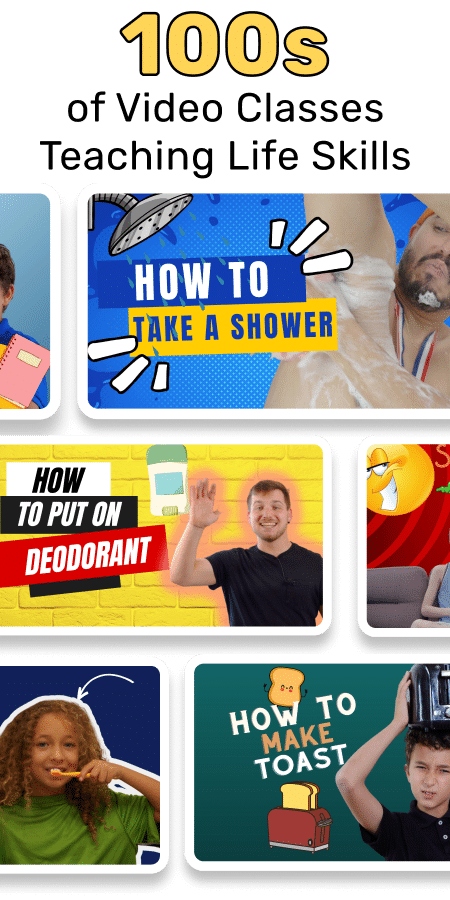
Looking for fun ways to help your child learn life skills? Try Goally! The Goally tablet comes with award-winning learning apps and video classes to help kids develop the skills they need to become independent with FUN & evidence-based practices.
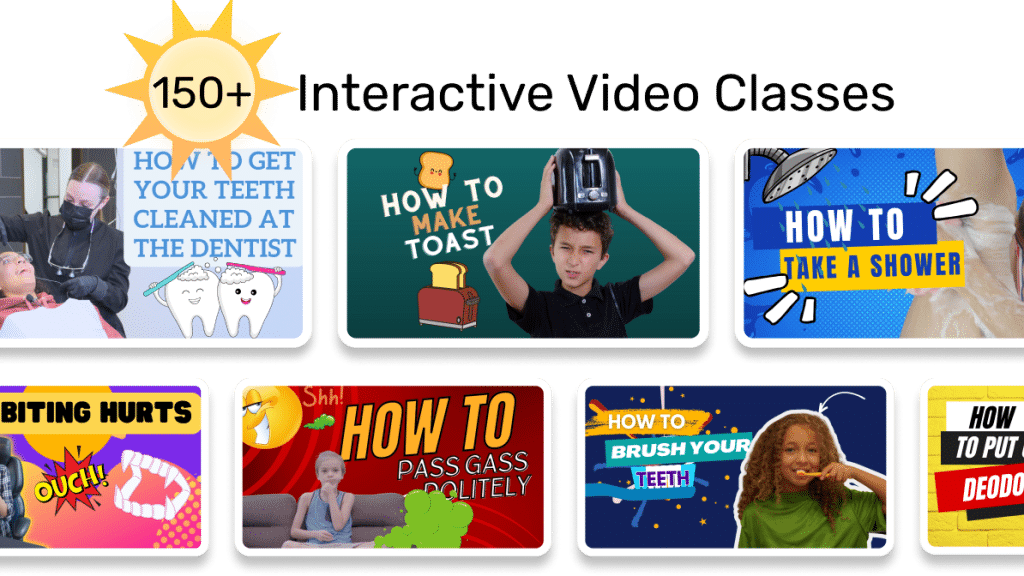
Our apps teach executive function, language, emotional regulation, finger dexterity skills, and more.
As your child develops new skills, you can increase the difficulty level of the tasks in the app to challenge and motivate them even further. This helps your child grow and progress at their own pace, while also keeping them engaged and excited about their development.
Cerebral palsy schools offer a unique and invaluable educational experience for children with cerebral palsy. These schools empower students to overcome challenges and reach their full potential through specialized instruction, integrated therapy services, adaptive technologies, and comprehensive support. The individualized approach, combined with a focus on academic and life skills, prepares students for academic success and a fulfilling life beyond school. As we continue to advance in our understanding of cerebral palsy and educational best practices, cerebral palsy schools will undoubtedly play a crucial role in shaping the futures of many children. Whether you’re a parent considering educational options or an educator seeking to better understand specialized education, this exploration of cerebral palsy schools has provided valuable insights and inspiration.
Helpful Resources
FAQ’s About Cerebral Palsy Schools
What are cerebral palsy schools?
Cerebral palsy schools are specialized educational institutions designed to meet the unique needs of students with cerebral palsy. They provide tailored instruction, therapy services, and adaptive technologies to support the learning and development of children with cerebral palsy.

How do cerebral palsy schools differ from mainstream schools?
Cerebral palsy schools offer specialized staff, adaptive equipment, on-site therapy services, and smaller class sizes tailored to the specific needs of students with cerebral palsy. They focus on addressing physical limitations, communication difficulties, and potential cognitive impairments associated with cerebral palsy.

What services are typically offered in cerebral palsy schools?
Cerebral palsy schools typically offer a combination of specialized academic instruction, physical therapy, occupational therapy, speech therapy, and adaptive technology support. These services are often integrated into the school day to provide a comprehensive educational experience.

How do Individualized Education Plans (IEPs) work in cerebral palsy schools?
IEPs in cerebral palsy schools are comprehensive documents that outline a student's educational goals, required services, and necessary accommodations. They address not only academic needs but also physical, communication, and social-emotional goals, and are developed collaboratively by parents, teachers, and therapists.

What role does adaptive technology play in cerebral palsy schools?
Adaptive technology in cerebral palsy schools includes tools like alternative communication devices, adapted keyboards, eye-gaze technology, and specialized educational software. These technologies help students overcome physical barriers to learning, enhance communication, and increase independence in educational tasks.

Emily is a seasoned blog writer for Goally, leveraging her extensive background in child psychology and special education to provide valuable insights and resources for parents. Her commitment to understanding and addressing the unique needs of these children, combined with her expertise in educational strategies, makes her a credible and empathetic voice for families.