My best friend’s 4-year-old can be a handful at playdates. She bounces from toy to toy without ever settling into one activity and needs constant redirection. I used to think all kids were that way, but seeing how different my other friend’s daughter is helps me see the contrast more clearly. As someone who’s been working with kids for years, I know firsthand that many kids with special needs struggle to get correctly diagnosed because parents don’t always know what to look for. And that can get frustrating! Sometimes, the difference between a diagnosis of ADHD and a typically developing child can be minimal. In younger children, hyperactivity and impulsivity are the main symptoms of ADHD. However, as a child grows, symptoms can change. Most people receive an ADHD diagnosis around 12 years of age, but symptoms can present in children as young as 3 years.
Table of Contents
What Are the Signs of ADHD in Girls?
Please pay special attention to your daughter; you, as her parent, are her expert! The signs that might get a boy diagnosed with ADHD may be more subtle or even overlooked altogether in girls. Girls with ADHD are often not the type to act out or disrupt class the way boys with ADHD might. Here are some signs of ADHD in girls:
- Withdrawn: They might appear withdrawn, or they may daydream frequently.
- Disorganized: They tend to need help with organization and time management.
- Spacey: People might mistake girls with ADHD for being lazy or simply “spacey.”
- Careless mistakes: They are prone to careless mistakes due to poor attention to detail.
- Seated: They may have difficulty remaining seated, even when they are supposed to.
How ADHD Looks Different in Girls vs. Boys
Girls with ADHD may appear to struggle a bit more with inattention compared to hyperactivity-impulsivity symptoms. While boys often display externalized symptoms, girls with ADHD are more prone to internalizing behavior:
- Boys: More likely to be disruptive, fidgety, impulsive, and unable to sit still.
- Girls: More likely to be withdrawn, display low self-esteem, and seem unmotivated.
| ADHD Symptom | Description in Girls | Comparison with Boys |
|---|---|---|
| Hyperactivity | Often less noticeable in girls. It may present as talkativeness, being emotionally reactive, or having trouble sitting still. | Boys tend to display more outward hyperactive behaviors. |
| Impulsiveness | Girls may interrupt others, have difficulty waiting their turn, or make hasty decisions without considering the consequences. | Boys often show more obvious signs of impulsiveness. |
| Inattention | Girls with ADHD often struggle to focus, particularly on detailed or routine tasks. They may also need to be more mindful and organized. | In boys, inattention can also be a problem, but it might be more recognized. |
| Internal Symptoms | Girls may exhibit more internal symptoms, such as being inattentive, daydreaming, or having low self-esteem. | Boys typically display more external symptoms of ADHD. |
The Importance of Storytelling in Helping a Child Cope
When my niece had her ADHD diagnosis, I created a short story for her. This story helped her realize that having ADHD doesn’t hold her back from achieving big things! The story followed a squirrel named Zoomy, who loved to bounce around and gather acorns and nuts. Zoomy was easily distracted and could never sit still, which made him super curious and fun to be around! I explained those were superpowers, just like Zoomy has; ADHD is her superpower, too.

Read More: Calm Down Strategies for Kids
What If My Daughter Does Have ADHD?
If you suspect your daughter may have ADHD, it’s essential to seek professional evaluation. Don’t worry – I’m here to guide you! Here’s a breakdown of the steps involved:
- Make an appointment with a mental health provider: Your pediatrician is usually the best first professional to contact. However, you might have to get a referral to a mental health professional such as a psychiatrist, psychologist, or licensed therapist for further assessment.
- Gather information: Prepare with examples of your daughter’s behavior at home, school, and other areas of her life. Teachers can offer valuable insights, too.
- Be patient during evaluation: The evaluation process might involve interviews, observation, and other assessment tools specific to ADHD. The goal of an evaluation is to determine whether ADHD is the source of your child’s challenges or whether another condition could be responsible for her difficulties.
Try Goally For Your Child With ADHD
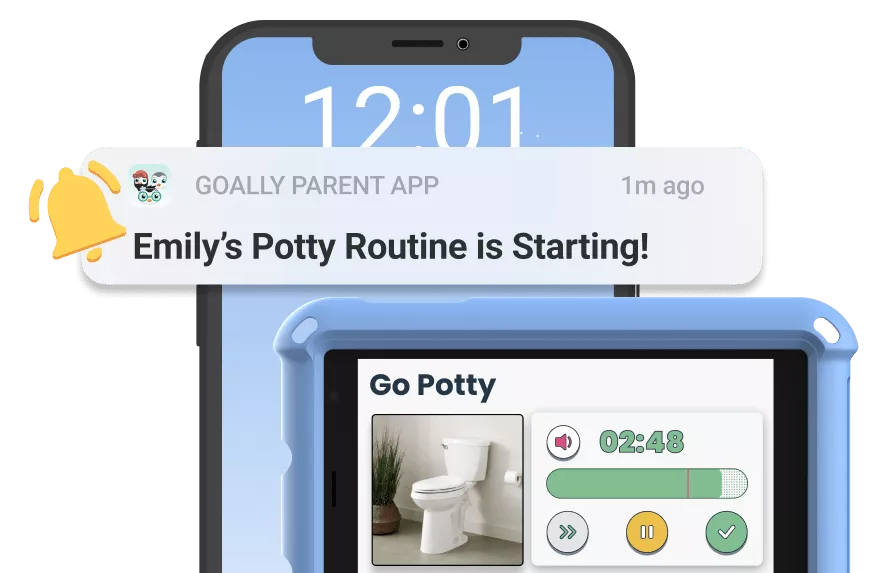
Goally helps kids with ADHD stay focused and build skills. Unlike a Kindle or an iPad that kids get easily distracted on, Goally has no YouTube, no social media, no web browser, and especially no ads.
Goally uses game play as a points-based motivator for your kiddo with ADHD and helps them learn emotional regulation skills. It’s simple to set up and has an expert-informed design.

If you notice signs of ADHD in your daughter, it’s essential not to ignore them. Getting a diagnosis might feel daunting, but it’s the first step toward your child living her best life and getting the support and resources she needs. You are your child’s greatest champion, and a diagnosis of ADHD doesn’t change that. With the proper treatment approaches in place, your daughter can be empowered to succeed and thrive.
FAQs About Does My Daughter Have ADHD?
What are common signs of ADHD in girls?
Girls with ADHD often exhibit signs such as inattention, impulsiveness, hyperactivity (though often less obvious than in boys), and more internal symptoms like low self-esteem or daydreaming.
Does my daughter's ADHD diagnosis mean she can't succeed?
Absolutely not. With the right support and tools, such as visual schedules, emotional regulation apps, and rewards, children with ADHD can thrive.
How can I support my daughter if she has ADHD?
You can create a supportive environment with strategies like consistent routines, clear communication, and utilizing educational tools like visual schedules and emotional regulation apps.
Should I consult a professional if I suspect my daughter has ADHD?
Yes, it's important to consult a healthcare provider for an accurate diagnosis and to discuss suitable treatment options.
Can technology assist my daughter with ADHD?
Definitely. Tools like emotional regulation apps and reward systems can help manage symptoms and reinforce positive behaviors.
This post was originally published on 04/26/2023. It was updated on 02/22/2024.

Emily is a seasoned blog writer for Goally, leveraging her extensive background in child psychology and special education to provide valuable insights and resources for parents. Her commitment to understanding and addressing the unique needs of these children, combined with her expertise in educational strategies, makes her a credible and empathetic voice for families.