Chicago, the Windy City, known for its towering skyscrapers, deep-dish pizza, and the Cubbies. But did you know it’s also a hub for ABA therapy? This blog post’ll look into Applied Behavior Analysis (ABA) therapy in Chicago, providing top locations, pros and cons, success rates, and alternatives. Get ready to navigate the landscape of ABA therapy in Chicago, making informed decisions for your neurodivergent kid.
Table of Contents
Top 5 ABA Therapy Chicago
First, let’s look at Chicago’s top five ABA therapy locations. Each one offers a unique approach, catering to the diverse needs of neurodivergent kids.
| Name | Star Rating | Reviews | Address | Hours | Description |
|---|---|---|---|---|---|
| Chicago ABA Therapy | 4.9 | 136 | 1422 W Willow St #102 | Open ⋅ Closes 6 PM | With the highest reviews, they combine ABA techniques with educational consulting, ensuring holistic development. |
| Beyond ABA, LLC | N/A | N/A | Chicago, IL | Open ⋅ Closes 5 PM | Their approach transcends traditional therapy, focusing on a broader mental health spectrum for individual needs. |
| ABA Midwest | 4.3 | 4 | 1136 South Delano Court West, Suite 201b | N/A | Renowned for their tailored programs, they employ regional practices rooted in Midwestern values. |
| Stride Autism Centers – Chicago ABA Therapy | 4.1 | 9 | 1925 S Archer Ave | Open ⋅ Closes 4 PM | Distinguished for their expansive centers, they offer immersive environments conducive for learning and therapy. |
| Master It ABA Therapy | N/A | N/A | 205 N Michigan Ave Suit 810 | Open ⋅ Closes 3 PM | Emphasizing mastery in skills, they ensure every child achieves their highest potential in a central location. |
Choosing the right location boils down to your child’s specific needs and your family’s preferences. Research, visit, and ask questions to find the best fit.
What are the Disadvantages of ABA?
ABA therapy is not without its critics. Some argue it’s too structured and doesn’t allow for creativity and spontaneity. Others say it can be too intensive, leading to burnout in both kids and parents.
Goally | Visual Scheduler for Autism
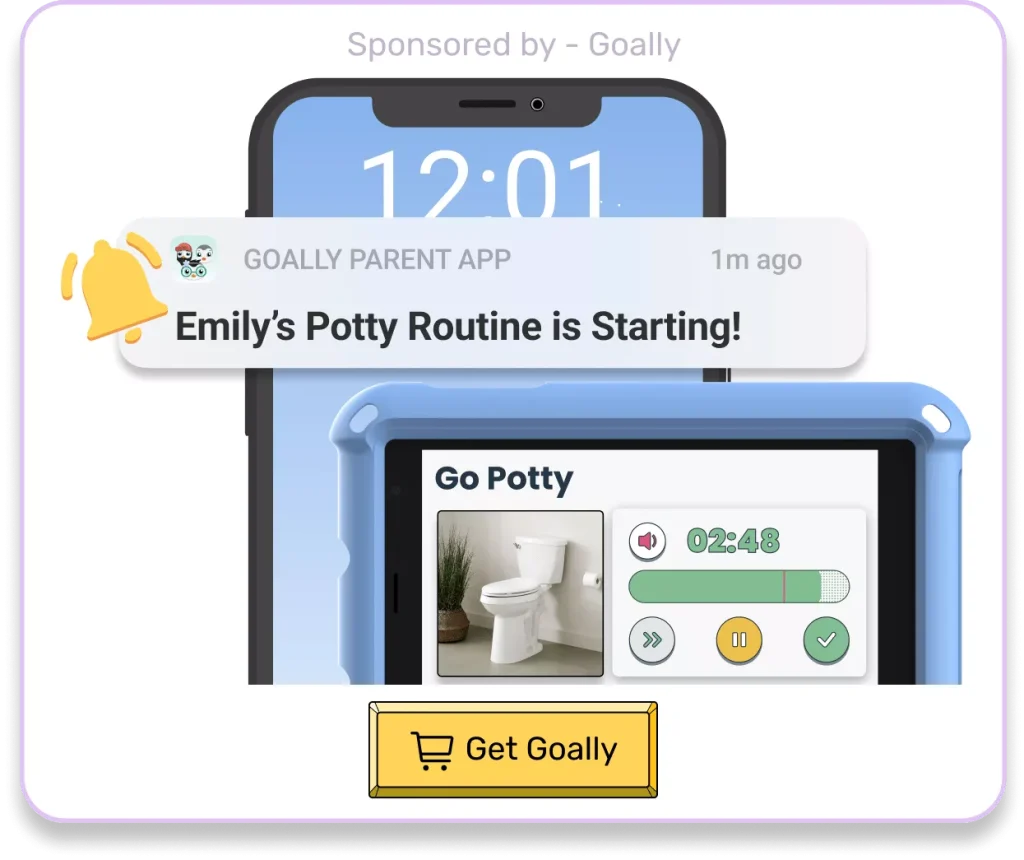
Does your child struggle with getting ready in the morning independently? Goally’s routine app on the best tablet for kids breaks down large tasks into small, achievable steps for autistic kids. Create custom routines with your own videos & pictures for every step.
Moreover, there’s a concern that ABA needs to focus more on changing behaviors to fit societal norms rather than accepting and celebrating neurodiversity. Finding a therapist who respects your child’s unique personality and needs is essential.
What is the Success Rate of ABA Therapy?
ABA therapy is effective in many cases. According to a study published in the Journal of Autism and Developmental Disorders, 90% of children showed significant improvement after one year of intensive ABA therapy.
However, success varies greatly depending on the child, the therapy quality, and the parental involvement level. Success doesn’t always mean “curing” autism or eradicating all challenging behaviors. Sometimes, it’s about helping your child communicate better, build social skills, or become more independent.

Read more: What is ABA Therapy for Autism? FAQs
Is ABA a Treatment for Autism?
ABA therapy is often used as a treatment for autism. It’s based on the science of learning and behavior and aims to improve specific behaviors and skills. That is to say, it can help kids with autism improve their communication, social skills, and academic abilities.
However, ABA is not just for autism. It can also benefit kids with other developmental disorders or behavioral issues. It’s all about teaching valuable skills and reducing harmful or disruptive behaviors.
What Can I Do Instead of ABA?
There are alternatives if ABA doesn’t feel like the right fit for your family. Options include the DIR/Floortime approach, which focuses on following the child’s lead and building relationships, or the SCERTS model, which emphasizes social communication and emotional regulation.
Read more: Special Education Schools in Chicago | Parent Guide
Remember, there’s no one-size-fits-all approach. What works for one child might not work for another. It’s about finding the right fit for your child and your family.

- Using Visual & Verbal Instructions: Goally provides children with visual and verbal supports for routines, helping increase independence and reduce parent nagging.
- Reducing Anxiety: Goally helps reduce anxiety through relaxation exercises and coping strategies in video classes, helping children feel more calm and comfortable during their clinic visit.
- Communication: Goally helps facilitate communication between children and parents, allowing parents to better understand and support their child’s needs.
Goally’s distraction-free kid’s tablet can be used as a therapy tool to help teach executive function, language, emotional regulation, finger dexterity skills, and more!
ABA therapy can be a powerful tool for helping neurodivergent kids develop essential skills. However, there are other options, and it’s important to consider the potential drawbacks. In the end, the best approach is the one that respects your child’s uniqueness and supports their growth and happiness. Goally can be a valuable ally for parents navigating this journey. Our learning tablet and apps are designed to support kids with thinking and learning differences, helping them build routines, complete tasks, and develop independence. Above all, we’re here to support you and your child every step of the way.

Goally
We help parents teach their kids life skills, like doing bedtime and morning independently. Backed by science, we incorporate evidence-based practices and expert-informed designs in all of our apps and content.
- Goally
- Goally
- Goally
- Goally
- Goally
- Goally
- Goally
- Goally
- Goally
- Goally
- Goally
- Goally
- Goally
- Goally
- Goally
- Goally
- Goally
- Goally
- Goally
- Goally
- Goally
- Goally
- Goally
- Goally
- Goally
- Goally
- Goally
- Goally
- Goally
- Goally
- Goally
- Goally
- Goally
- Goally
- Goally
- Goally
- Goally
- Goally
- Goally
- Goally
- Goally
- Goally
- Goally
- Goally
- Goally
- Goally
- Goally
- Goally
- Goally
- Goally
- Goally
- Goally
- Goally
- Goally
- Goally
- Goally
- Goally
- Goally
- Goally
- Goally
- Goally
- Goally
- Goally
- Goally
- Goally
- Goally
- Goally
- Goally
- Goally
- Goally
- Goally
- Goally
- Goally
- Goally
- Goally
- Goally
- Goally
- Goally
- Goally
- Goally
- Goally
- Goally
- Goally
- Goally
- Goally
- Goally
- Goally
- Goally
- Goally
- Goally
- Goally
- Goally
- Goally
- Goally
- Goally
- Goally
- Goally
- Goally
- Goally
- Goally
- Goally
- Goally
- Goally
- Goally
- Goally
- Goally
- Goally
- Goally
- Goally
- Goally
- Goally
- Goally
- Goally
- Goally
- Goally
- Goally
- Goally
- Goally
- Goally
- Goally
- Goally
- Goally
- Goally
- Goally
- Goally
- Goally
- Goally
- Goally
- Goally
- Goally
- Goally
- Goally
- Goally
- Goally
- Goally
- Goally
- Goally
- Goally
- Goally
- Goally
- Goally
- Goally