Imagine watching your 5-year-old child, engrossed in a whirlwind of activities, bouncing like a ping-pong ball from one task to another. Is this just a case of high energy, or could it be ADHD? Understanding ADHD in a 5-year-old can be a complex task, but it’s crucial for supporting your child’s development. In this blog, I’ll guide you through the signs of ADHD in 5-year-olds, the difference between typical behavior and ADHD, and how to approach a diagnosis. We’ll also explore proven strategies for managing ADHD and how to foster your child’s unique strengths.
Table of Contents
Recognizing the Signs of ADHD in a 5-Year-Old
When it comes to ADHD, every child is unique. However, certain patterns of behavior can indicate if your child might be dealing with this condition. Here are some of the main signs of ADHD in 5-year-olds:
- Hyperactivity: If your child seems to be constantly on the move, this could be a sign of ADHD. Kids with ADHD often have trouble sitting still, especially in calm or quiet surroundings. They may fidget, squirm, or bounce around more than their peers.
- Impulsiveness: Kids with ADHD often act without thinking. This could manifest as interrupting conversations, being unable to wait their turn, or making impulsive decisions.
- Inattention: Difficulty concentrating on tasks, especially those that require sustained mental effort, is another common sign of ADHD. Kids with ADHD might get easily distracted, forget instructions, or struggle to finish tasks.

Read more: Is ADHD a Disability?
Normal Behavior vs. ADHD
At this point, you might think, “But my kid is 5! Isn’t it normal for them to be energetic and inattentive?” You’re not wrong. It can be challenging to differentiate between typical behavior and potential signs of ADHD. But here’s the key: duration, intensity, and impact.
Firstly, it’s about how long these behaviors have been noticeable. If they’ve been consistent for more than six months, it’s worth noting. Secondly, consider the intensity. Kids with ADHD exhibit these behaviors more frequently and with greater intensity than their peers. Lastly, if these behaviors affect your child’s social and academic life — causing trouble at school or with friends — it might be more than just kid stuff.
Best Behavior Tracking App:
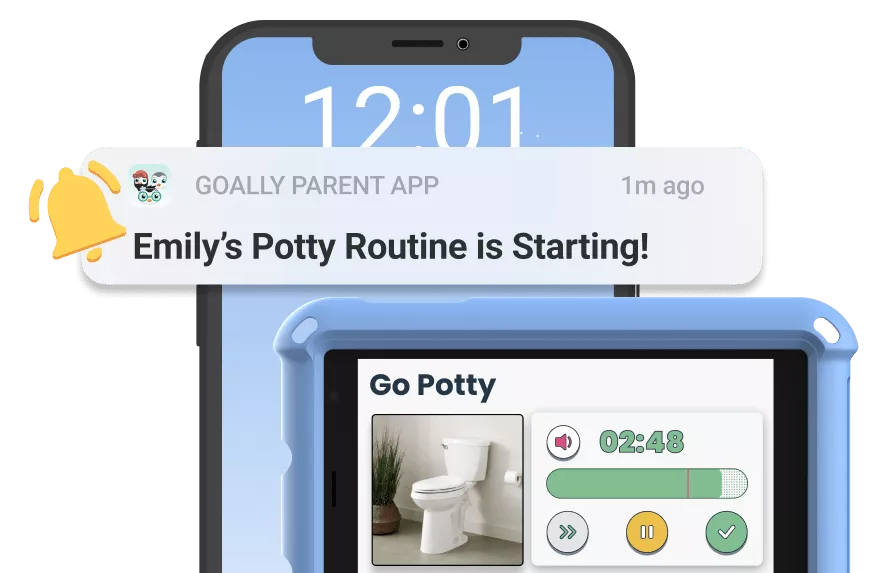
Give your kid an independent future for less than $1/day. Goally has 15+ learning apps that teach life skills.
Approaching a Diagnosis
So, you’ve noticed some signs, and you’re wondering, “Does my child have ADHD?” It’s essential to approach this question with care. A diagnosis of ADHD isn’t based on a single test. Instead, it involves a comprehensive evaluation by medical professionals, who will consider various factors, including the child’s behavior across different settings and any coexisting conditions.
I recommend discussing your concerns with your child’s pediatrician, who can guide you through the process. Remember, getting a diagnosis isn’t about labeling your child; it’s about understanding their needs and how to support them.
Managing ADHD
If your child does have ADHD, there’s a lot you can do to help them thrive. It’s not about “curing” ADHD; it’s about managing it. Successful ADHD management often involves a combination of medication, behavioral therapy, and lifestyle changes.
- Medication: Several medications can help manage ADHD symptoms. These are usually stimulants that increase certain chemicals in the brain to help improve focus and attention.
- Behavioral Therapy: This involves working with a therapist to learn new behaviors, change existing ones, and manage daily tasks. It can be beneficial for both the child and the parents.
- Lifestyle Changes: Regular physical activity, a healthy diet, and adequate sleep can all significantly impact a child’s ADHD symptoms.

Read more: 5 ADHD Toys For 5 Year Olds
Fostering Your Child’s Strengths
Lastly, remember that ADHD isn’t a flaw. Kids with ADHD are often creative, energetic, and think outside the box. They have their unique strengths, and it’s essential to foster these. Encourage their interests, celebrate their successes, and give them plenty of opportunities to shine.
Try Goally For Your Child With ADHD
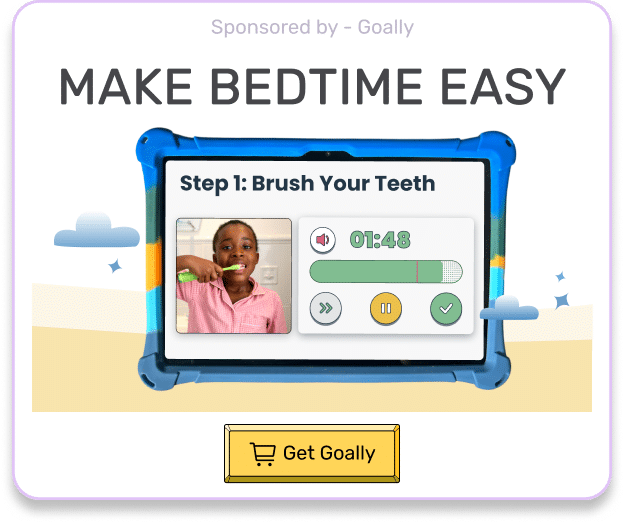
Goally is an excellent option for many families that have a child with ADHD. Use game play as a points-based motivator for your kiddo with ADHD, help them learn emotional regulation skills, and watch them grow! It’s simple to set up and has an expert-informed design.
Embracing Your Child’s Unique Path
Navigating ADHD in a 5-year-old can indeed be a journey. But remember, you’re not alone. By understanding the signs, differentiating between typical behavior and ADHD, approaching a diagnosis with care, and exploring management strategies, you can provide the support your child needs. Most importantly, you can empower your child to thrive by recognizing and fostering their unique strengths. Because at the end of the day, your child is not defined by ADHD but by their incredible potential.
Resources:
- Centers for Disease Control and Prevention (CDC) – ADHD: This page provides comprehensive information about ADHD, including symptoms, diagnosis, and management strategies.
- Understood.org – Understanding ADHD: This resource offers an in-depth look at ADHD, including its impact on learning and ways to support kids with this condition.
- HealthyChildren.org – ADHD: This site, powered by the American Academy of Pediatrics, provides a wealth of information on ADHD, including tips for parents and strategies for managing symptoms.
This post was originally published on April 25, 2023. It was updated on Feb 28, 2024.
FAQs About What ADHD Looks Like in a 5-Year-Old
What are the common signs of ADHD in a 5-year-old?
ADHD in a 5-year-old may manifest as frequent fidgeting, difficulty in paying attention, and impulsivity. They may also struggle to follow instructions and act without considering the consequences.
How can a professional diagnose ADHD in a 5-year-old?
Professionals like psychologists, psychiatrists, or pediatricians can diagnose ADHD through a comprehensive evaluation. This includes obtaining a detailed behavior history and conducting observational assessments.
Why is early intervention important for a child with ADHD?
Early intervention is crucial because it helps children with ADHD develop coping strategies and skills to manage their symptoms. This aids in their social, academic, and emotional growth.
How can learning tools like visual schedules help a 5-year-old with ADHD?
Visual schedules assist a 5-year-old with ADHD by providing structured routines. These help them focus, manage their time better, and improve their ability to complete tasks.
How can emotional regulation apps be beneficial for a child with ADHD?
Emotional regulation apps can teach children with ADHD to understand and manage their emotions better. This improves their social interactions and reduces instances of impulsive behavior.

Goally
We help parents teach their kids life skills, like doing bedtime and morning independently. Backed by science, we incorporate evidence-based practices and expert-informed designs in all of our apps and content.
- Goally
- Goally
- Goally
- Goally
- Goally
- Goally
- Goally
- Goally
- Goally
- Goally
- Goally
- Goally
- Goally
- Goally
- Goally
- Goally
- Goally
- Goally
- Goally
- Goally
- Goally
- Goally
- Goally
- Goally
- Goally
- Goally
- Goally
- Goally
- Goally
- Goally
- Goally
- Goally
- Goally
- Goally
- Goally
- Goally
- Goally
- Goally
- Goally
- Goally
- Goally
- Goally
- Goally
- Goally
- Goally
- Goally
- Goally
- Goally
- Goally
- Goally
- Goally
- Goally
- Goally
- Goally
- Goally
- Goally
- Goally
- Goally
- Goally
- Goally
- Goally
- Goally
- Goally
- Goally
- Goally
- Goally
- Goally
- Goally
- Goally
- Goally
- Goally
- Goally
- Goally
- Goally
- Goally
- Goally
- Goally
- Goally
- Goally
- Goally
- Goally
- Goally
- Goally
- Goally
- Goally
- Goally
- Goally
- Goally
- Goally
- Goally
- Goally
- Goally
- Goally
- Goally
- Goally
- Goally
- Goally
- Goally
- Goally
- Goally
- Goally
- Goally
- Goally
- Goally
- Goally
- Goally
- Goally
- Goally
- Goally
- Goally
- Goally
- Goally
- Goally
- Goally
- Goally
- Goally
- Goally
- Goally
- Goally
- Goally
- Goally
- Goally
- Goally
- Goally
- Goally
- Goally
- Goally
- Goally
- Goally
- Goally
- Goally
- Goally
- Goally
- Goally
- Goally
- Goally
- Goally
- Goally
- Goally
- Goally
- Goally
- Goally