Are you a parent trying to figure out if your little one’s energy is typical or something more? If you’re searching for answers about your hyperactive toddler, you’re in the right place. In this blog post, we’ll help you identify the signs, explore possible causes, and share practical tips to support your child and make life a little easier for both of you.
Table of Contents
Understanding Hyperactivity in Toddlers

Before we dive deeper, let’s clarify what hyperactivity means. Hyperactivity refers to increased activity, impulsivity, and inattention that may interfere with a child’s daily life. While it’s normal for toddlers to be energetic and curious, a hyperactive toddler might display these behaviors more intensely and frequently.
Here are some common signs of hyperactivity in toddlers:
- Constantly on the move
- Difficulty sitting still or focusing on tasks
- Impulsive actions without considering consequences
- Interrupting others or blurting out answers
- Difficulty waiting their turn
Potential Causes of Hyperactivity
There isn’t a one size fits all answer to what causes hyperactivity in toddlers. However, several factors may contribute to this behavior. Understanding these factors can help you support your child.
| Cause | Description |
|---|---|
| Genetics | Research suggests that hyperactivity may have a genetic component, with children inheriting the trait from their parents. |
| Environmental factors | Exposure to certain toxins, such as lead, during pregnancy or early childhood may increase the risk of hyperactivity. |
| Neurodivergent conditions | Hyperactivity is a common symptom in kids with thinking and learning differences, such as ADHD and autism spectrum disorder. |
| Diet and sleep | Poor nutrition and inadequate sleep can contribute to hyperactivity in some children. |

Practical Tips for Managing a Hyperactive Toddler
While it may not be easy to manage a hyperactive toddler, there are strategies you can use to help both you and your child. Here are some practical tips:
1. Establish a Routine
Creating a consistent daily routine can provide structure and predictability for your child. This may help them feel more secure and reduce hyperactive behaviors. Make sure to include regular meal times, play time, and bedtime routines to create a sense of stability.
Recommended Daily Routine Apps:

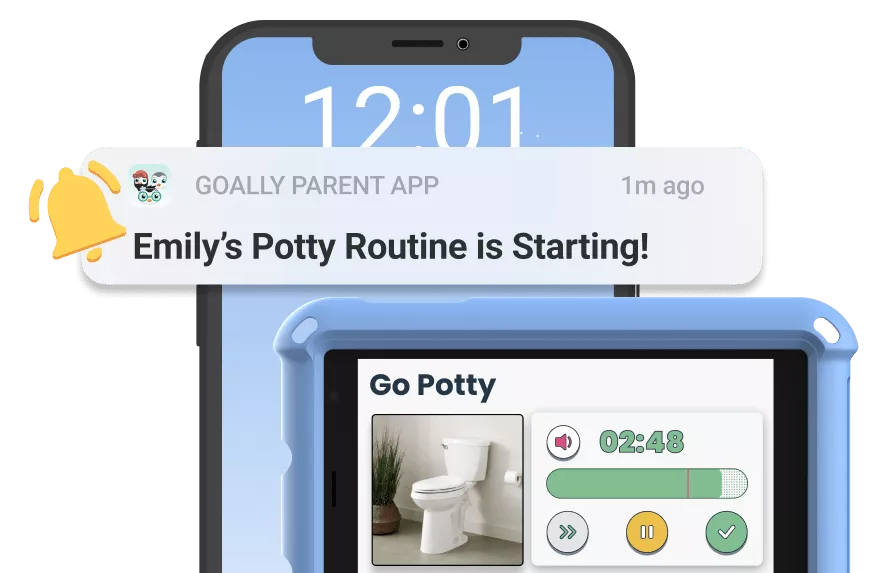
Pro tip— Use tech to make daily routines & time management fun for kids. See all of our recommended apps below:
2. Encourage Physical Activity
Alright, all you super-parents dealing with a hyperactive toddler, let’s chat! Keeping our little whirlwinds active is critical. It’s not just essential; it’s game-changing for our hyperactive kiddos. Regular exercise helps channel that overabundance of energy into something productive and sharpens their focus, too – win, win!
- Swimming: It’s a fantastic full-body workout and a real hit with most hyperactive toddlers. Plus, it’s a skill that’ll benefit them for life!
- Dancing: Put on their favorite tunes and let them groove! Dancing boosts both physical activity and creativity. It’s an energetic and fun way to express themselves.
- Park Visit: The classic, yet always exciting, playground run-around! Playgrounds are filled with opportunities for imaginative play while getting the wiggles out.
Remember, the key here is to keep your hyperactive toddler engaged, active and most importantly – happy! Don’t be afraid to get creative and join in on the fun!
3. Provide Clear Expectations and Consequences
Navigating the bustling world of your hyperactive toddler? We’ve got you covered! Setting clear expectations and understandable consequences can pave the way for better behavior. It’s like building a roadmap for what’s expected from them. Consistency is your best friend here; it encourages positive behavior and helps them understand the game’s rules.
Take this scenario: your little one often interrupts others. Try reminding them gently to wait for their turn. And when they do? Shower them with praise! It’s all about reinforcing the excellent while gently curbing the not-so-good. Remember, your patience and consistency can work wonders in this journey with your hyperactive toddler!

4. Offer a Balanced Diet
A nutritious diet can play a role in managing hyperactivity. Ensure your child eats a balanced diet with plenty of fruits, vegetables, whole grains, and lean proteins. Some studies suggest that certain food additives and artificial colors may contribute to hyperactivity, so consider limiting these in your child’s diet.
5. Prioritize Sleep
Establishing a consistent sleep schedule and creating a calming bedtime routine can help ensure your child gets the rest they need, which may reduce hyperactive behaviors. Consider implementing a wind-down routine that includes activities like reading or listening to calming music.
Read More: How to Put a Kid to Sleep in 40 Seconds
6. Seek Professional Help
If you’re concerned about your child’s hyperactivity, consult a pediatrician or mental health professional to determine if an underlying condition contributes to the behavior and recommend appropriate interventions. Early intervention can significantly impact your child’s development and well-being.
Goally | Apps That Build Behavior & Life Skills for Kids
Want to keep your child motivated while building essential behavior and life skills? Goally’s skill-building tablet is designed to celebrate small wins and help your child grow. Our Behavior Tracker helps you reward your kid for specific skills, like “being kind” or “flushing the toilet.”
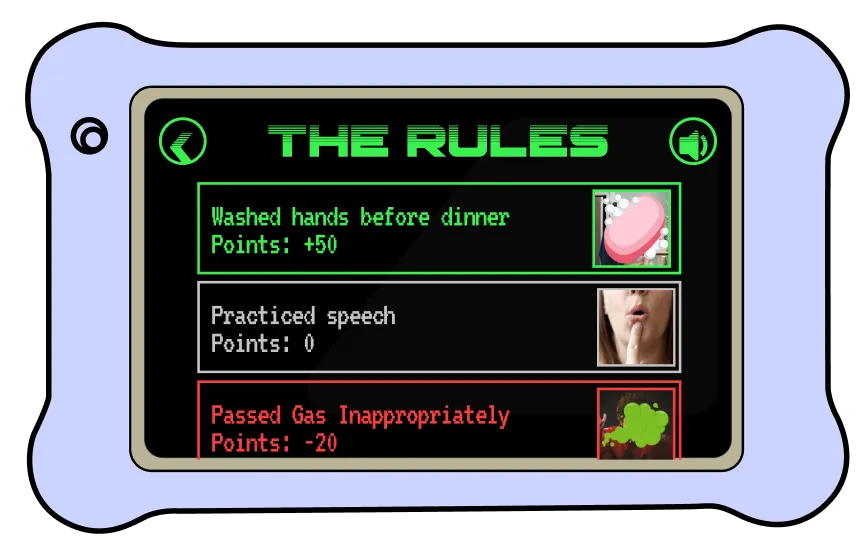
By setting clear expectations and rewarding their efforts, you foster a positive environment for your child to flourish in their behavioral skills journey.
Supporting Your Hyperactive Toddler
Remember, you’re not alone in this journey. Many parents face similar challenges with their kids. By using the strategies discussed in this blog post, you can create an environment for your hyperactive toddler to thrive. Stay patient, stay positive, and celebrate your child’s unique qualities. Together, you can help your child reach their full potential.
FAQs About Your Hyperactive Toddler
What is a hyperactive toddler?
A hyperactive toddler is typically between 1-3 years old and demonstrates unusually high levels of physical activity, often coupled with impulsive behaviors.
How can visual schedules help my hyperactive toddler?
Visual schedules utilize images to depict daily activities or tasks, providing a clear, structured outline to help hyperactive toddlers anticipate and prepare for the day, reducing anxiety and promoting focus.
What is an emotional regulation app, and how can it benefit my hyperactive toddler?
Emotional regulation apps use interactive games and activities to help children recognize and manage their feelings. These tools can assist hyperactive toddlers in calming down during high-energy moments and developing healthier emotional responses.
How can rewards help manage my hyperactive toddler's behavior?
Rewards act as positive reinforcement, encouraging desired behavior. When a hyperactive toddler exhibits positive behavior like patience or focus, a small reward can reinforce this behavior, making it more likely to recur.
Are there specific activities that are beneficial for a hyperactive toddler?
Yes, activities that involve physical exertion, like swimming, dancing, or playing in the park, can help burn off excess energy and increase focus in hyperactive toddlers.
This post was originally published on 05/06/2023. It was updated on 06/06/2023.

Goally
We help parents teach their kids life skills, like doing bedtime and morning independently. Backed by science, we incorporate evidence-based practices and expert-informed designs in all of our apps and content.