Have you ever felt puzzled by your neurodivergent child’s repeated phrases? Don’t worry; you’re not alone, and there’s a fascinating world behind autism repeating phrases. This guide is here to help you decode the reasons for repetition, identify beneficial strategies for support, and unveil the crucial distinctions from other forms of repetitive language. With this insightful and practical knowledge, you’ll feel better equipped to understand and assist your child on their individual journey.
Table of Contents
Goally | Visual Scheduler for Autism
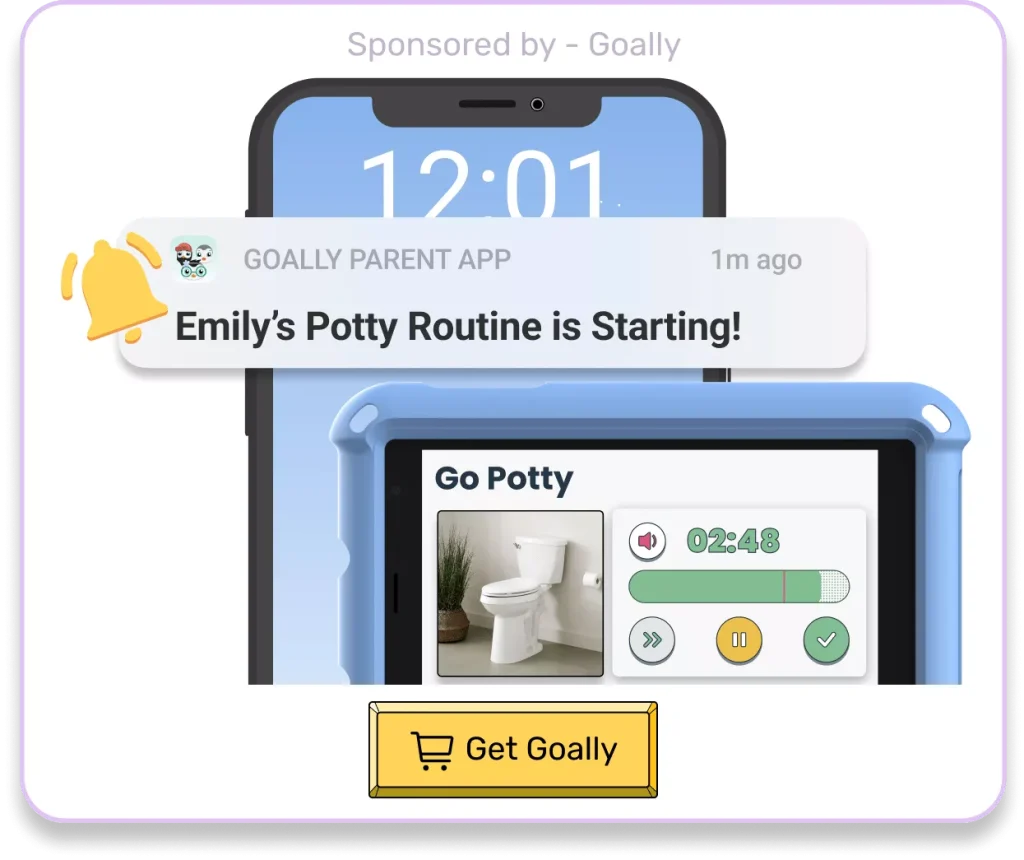
Does your child struggle with getting ready in the morning independently? Goally’s routine app on the best tablet for kids breaks down large tasks into small, achievable steps for autistic kids. Create custom routines with your own videos & pictures for every step.
Why Do Neurodivergent Kids Repeat Phrases?
The Complex Reasons Behind Repetition
To better help your child, first, recognize the significant factors behind their repetitive language. The four primary reasons include:
- Echolalia
- Self-regulation
- Scripting
- Processing time
Now that we have these main factors, let’s dive into each one, so you’ll have a clearer understanding of what’s happening in your child’s world.

Understanding Each Factor
- Echolalia: Frequently seen in kids with special needs, echolalia is when children repeat words or phrases they hear. They do this as a way to process information, practice language, or express their feelings. Echolalia is sometimes immediate or delayed, depending on the child’s unique cognitive abilities.
- Self-regulation: After a long day, do you find yourself using familiar phrases to calm yourself down? Neurodivergent kids do the same, using repetition to soothe themselves in stressful or challenging situations.
- Scripting: Kids with autism may memorize and recite lines from movies, TV shows, or videos. This phenomenon, known as scripting, helps them communicate their thoughts and emotions.
- Processing time: Some kids with thinking and learning differences need extra time to process and form their thoughts. To fill gaps in conversation, they may repeat phrases.
Supporting Your Child Through Repetition
Essential Strategies for Parents
Supporting your child through their repetitive language phase is crucial. Below are seven strategies to help you guide your neurodivergent child.
Key Strategies
- Patience and understanding
- Nonverbal cues
- Expand upon their language
- Model diverse language
- Offer choices
- Visual supports
- Consider professional help

Read more: 6 Autism Language Development Activities
Applying Each Strategy
- Patience and understanding: This strategy is vital. Listening and validating your child’s need for repetition will foster an environment of love and support.
- Nonverbal cues: Encourage your child to use body movements, facial expressions, or pointing to enrich their communication. This will help effectively supplement their repetitive language.
- Expand upon their language: Ask follow-up questions or offer comments based on your child’s repeated phrases. This will promote conversation and nurture their language development.
- Model diverse language: Expose your child to a wide range of sentence structures and vocabulary. Simple daily activities can be an excellent opportunity to practice and model richer language for them.
- Offer choices: When asking questions, it’s better to provide specific options so that your child can have successful communication.
- Visual supports: For better understanding and expression, visual aids like communication boards or social stories can be of immense help for kids with thinking and learning differences.
- Consider professional help: Speech-language pathologists can offer personalized assistance to your neurodivergent child, enhancing their communication skills.
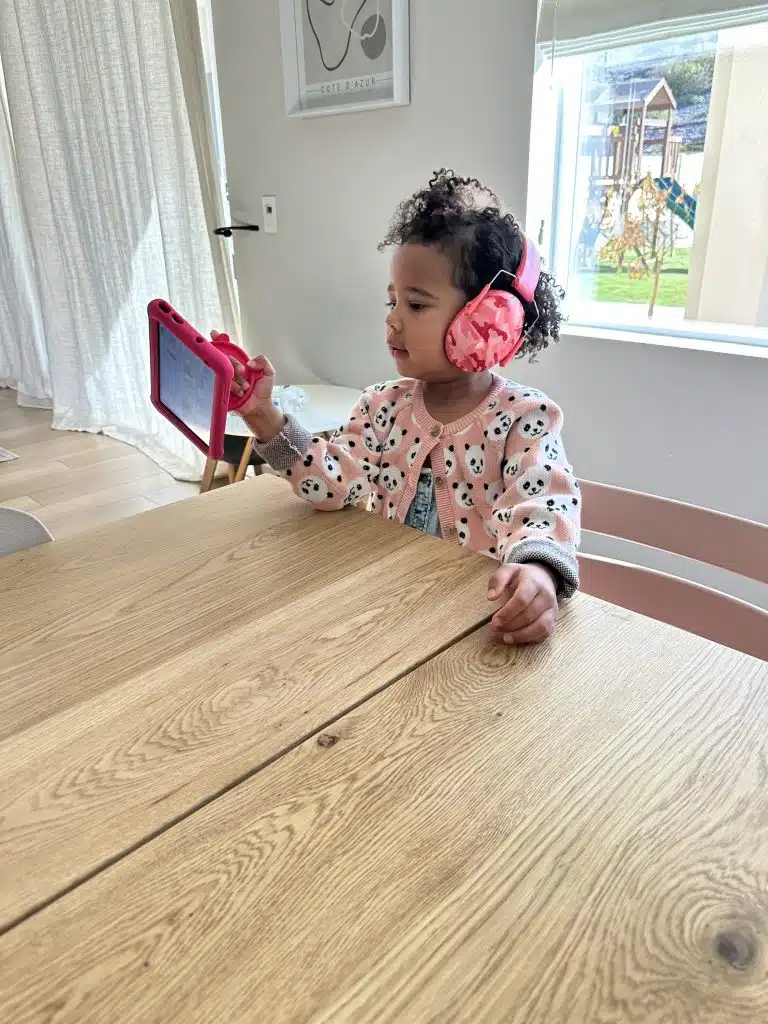
“I found Goally on Instagram a few months ago and I thought, this sounds like a perfect aid for Ivy. Ivy had just started speaking, but her communication was still very minimal. Goally’s visual schedule and AAC-inspired Talker had me really interested. While we want and believe Ivy will find her voice and spoken language, we also believe that communication comes in many forms. Goally has helped us offer our daughter a voice while she learns to find her own. The key is to support communication in whatever form that takes.” – Cassidy I.
Differentiating Autism Repeating Phrases
As a parent, how can you tell if your child’s repetition is related to autism or another cognitive issue? To differentiate autism repeating phrases from other forms, pay attention to the context, frequency, and function of the repetition. For a more detailed assessment, consider reaching out to a speech therapist or psychologist. Professional evaluation can help evaluate the exact nature of your child’s repetition, ensuring they receive the best support possible. From uncovering the reasons for repetition to finding which strategies work best for your child, this guide has provided helpful insight into autism repeating phrases. Remember, as a parent, you have the power to make a difference in your child’s life. Armed with knowledge, patience, and understanding, you can help your neurodivergent child soar.
This post was originally published on 05/23/2023. It was updated on 07/21/2023.

Goally
We help parents teach their kids life skills, like doing bedtime and morning independently. Backed by science, we incorporate evidence-based practices and expert-informed designs in all of our apps and content.